
























Ayurvedic care is often discussed in terms of therapies, herbs and treatment programmes. But the environment in which that care takes place can matter too.
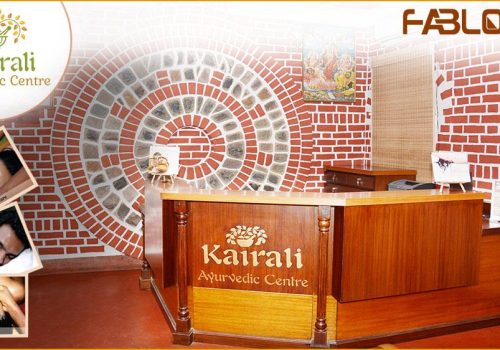
At Kairali – The Ayurvedic Healing Village in Palakkad, Kerala, the residential setting is designed to allow consultation, therapies, food, rest and daily routine to work together.
The idea is straightforward: an Ayurvedic programme is easier to follow when the individual has time to step away from the routines and pressures of everyday life.
A Different Kind of Stay
A residential Ayurvedic centre is not simply a resort with a treatment menu.
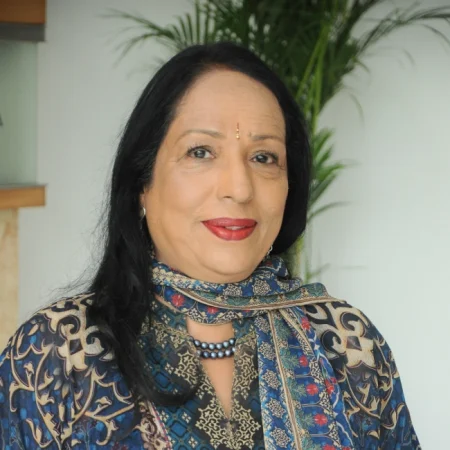
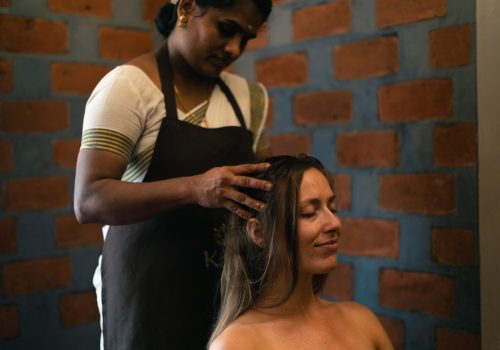
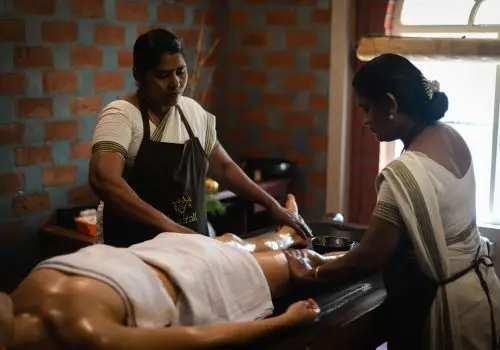
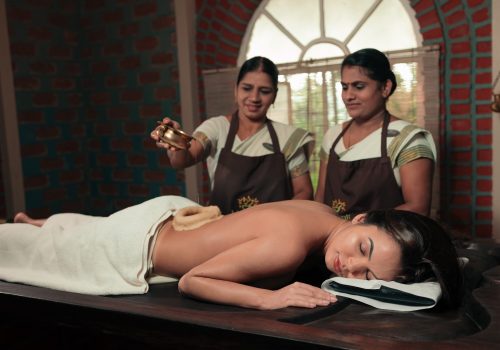
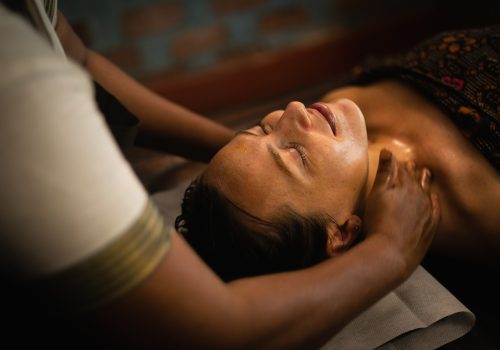
Guests at Kairali begin with an assessment by an Ayurvedic physician. The practitioner can then consider constitution, current health concerns, digestion, daily habits and other relevant factors before recommending an appropriate programme.
Treatments are only one part of that process.
Meals, rest, physical activity and daily routines can also be adjusted according to the individual and the purpose of the stay.
This makes the experience different from visiting a spa for an isolated therapy and returning immediately to a normal schedule.
Why Palakkad Matters to the Experience
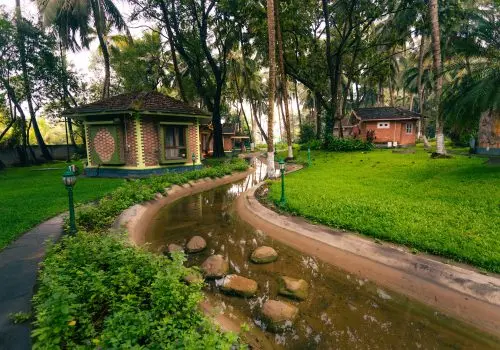
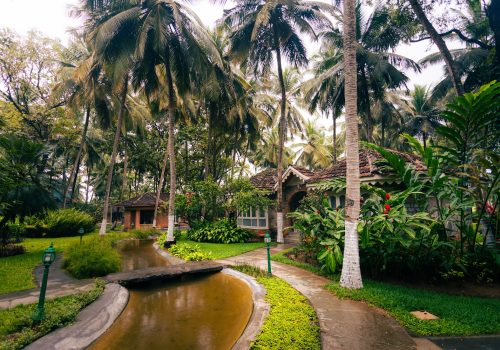
Kairali – The Ayurvedic Healing Village is located in Palakkad, Kerala, close to the Western Ghats.
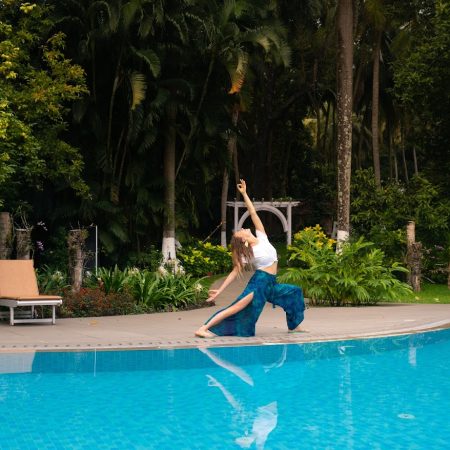
The property is surrounded by vegetation and provides a quieter environment than most urban treatment centres.
That does not mean nature itself is a medical treatment. But surroundings can influence how people experience a residential programme.
Having fewer interruptions can make it easier to follow regular meal times, rest adequately, attend scheduled therapies and pay closer attention to daily habits.
For a programme built around routine, those practical factors matter.
Ayurveda Is More Than the Treatment Room
One of the recurring misunderstandings around Ayurveda is that its value lies primarily in individual therapies.
Classical Ayurvedic practice takes a broader view.
Food, sleep, digestion, movement, daily routine and seasonal changes are considered alongside therapeutic interventions. A physician may therefore recommend changes that continue well beyond a person’s stay at an Ayurvedic centre.
This is particularly relevant for people who arrive expecting a short period of treatments to compensate for habits they immediately resume at home.
The more useful objective is to understand which aspects of the programme can realistically become part of everyday life.
Food as Part of the Programme
Meals within a residential Ayurvedic setting are not necessarily separate from the therapeutic programme.
Ayurveda places considerable emphasis on Agni, commonly understood as digestive capacity or digestive function.
Food may therefore be considered according to an individual’s appetite, digestion and programme rather than simply according to preference.
This does not mean there is one universal “Ayurvedic diet”.
Different people can require different approaches, and dietary guidance should be based on individual assessment rather than broad rules about what everyone should or should not eat.
The Importance of Daily Routine
A residential stay also creates an opportunity to experience a more consistent daily schedule.
Regular waking and sleeping times, planned meals, appropriate movement and periods of rest may sound less impressive than an elaborate therapy.
Yet these habits are central to the Ayurvedic idea of Dinacharya, or daily routine.
They also demonstrate an important principle: health is shaped not only by what happens during a treatment session, but by what happens during the rest of the day.
Practitioner-Led Care at Kairali
At Kairali – The Ayurvedic Healing Village, Ayurvedic physicians guide the overall programme rather than relying on a standard treatment schedule for every guest.
The property operates as an NABH-accredited Ayurvedic hospital and holds the Government of Kerala’s Green Leaf Certification.
These credentials are important because residential Ayurveda can vary considerably between establishments. The surroundings may contribute to the experience, but clinical standards, practitioner qualifications and appropriate supervision remain fundamental.
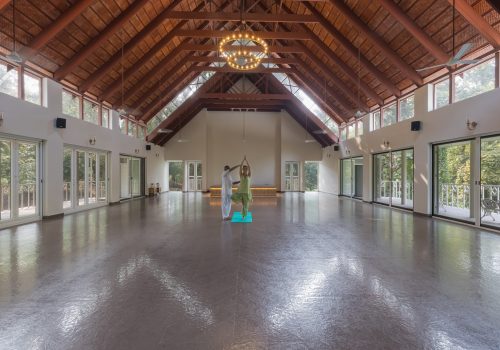
Yoga, meditation and other supportive practices may also be incorporated where appropriate, depending on the individual’s programme.
Taking the Routine Home
A residential Ayurvedic stay eventually ends.
The more important question is what happens afterwards.
Ayurvedic guidance is most useful when people understand which changes can reasonably continue at home. That may involve meal timing, sleep, physical activity, stress management or other aspects of daily routine.
The objective is not to recreate a retreat indefinitely.
It is to identify practical habits that can fit into ordinary life.
This is perhaps the most useful way to understand the role of a place such as Kairali – The Ayurvedic Healing Village. The surroundings provide space for care, but the lasting value of an Ayurvedic programme depends on assessment, appropriate supervision and what the individual learns about their own daily routine.