



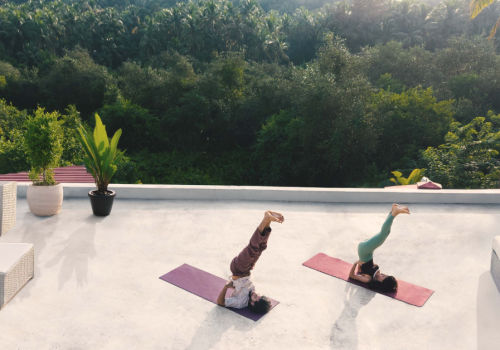





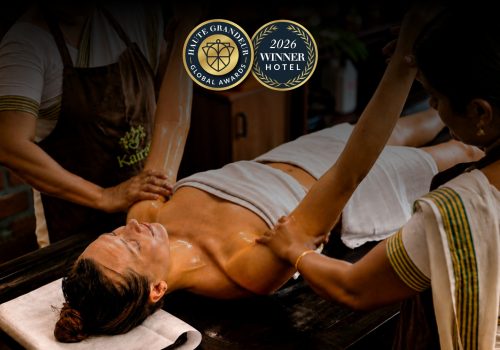

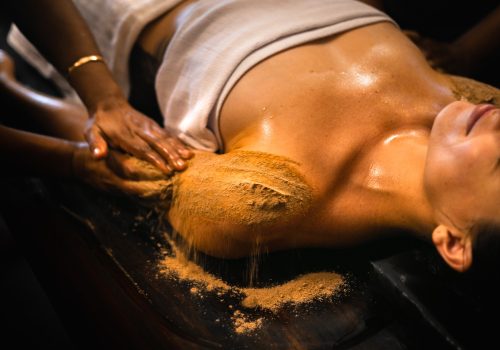

















Ayurveda and Yoga are often practised together, but they are not the same discipline. Each has its own philosophy, methods, and purpose. Yet for thousands of years, they have complemented one another in supporting health and wellbeing.
While Ayurveda focuses on maintaining the body’s natural balance through personalised nutrition, lifestyle, therapies, and herbal formulations, Yoga helps cultivate physical flexibility, mental clarity, and emotional resilience. Together, they offer a holistic approach that addresses both body and mind.
A Shared Foundation
Both Ayurveda and Yoga trace their origins to India’s ancient Vedic tradition. Although they evolved as distinct sciences, they share a common goal: promoting a balanced and healthy life.
Ayurveda seeks to understand the individual through factors such as constitution (Prakriti), digestion (Agni), and lifestyle. Yoga, meanwhile, encourages self-awareness through movement, breath control, meditation, and mindful living.
Rather than replacing one another, the two disciplines work together to support overall wellbeing.
How Ayurveda Supports Yoga
The practice of Yoga extends beyond physical postures. It requires strength, flexibility, concentration, and sustained energy.
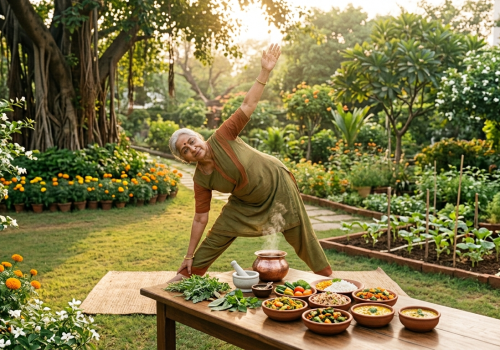
Ayurveda supports this journey by helping individuals maintain healthy digestion, balanced nutrition, restorative sleep, and daily routines that prepare the body for regular Yoga practice.
When the body feels balanced, practising Yoga often becomes more comfortable and sustainable.
How Yoga Complements Ayurveda
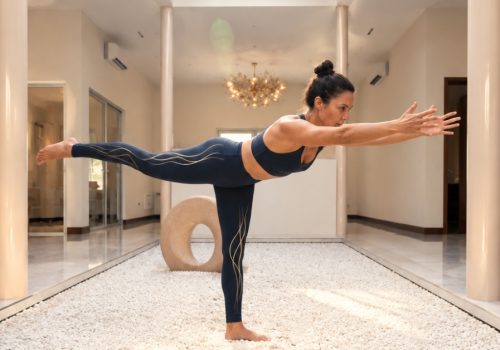
Yoga encourages movement, conscious breathing, and relaxation—habits that can support a healthy lifestyle.
Regular practice may help improve flexibility, posture, balance, and stress management, all of which are important aspects of overall wellbeing. Meditation and breathing exercises also encourage mindfulness, helping people become more aware of their daily habits and routines.
In this way, Yoga complements the broader lifestyle principles that Ayurveda promotes.
Cleansing and Balance
Both Ayurveda and Yoga recognise the importance of maintaining balance, although they approach it differently.
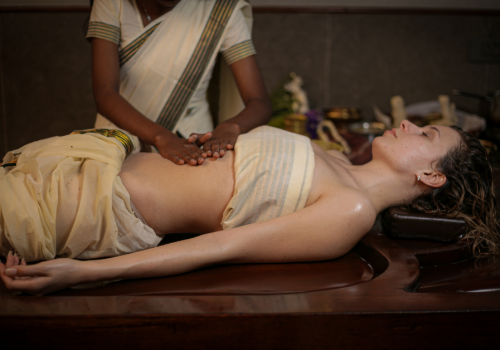
In Ayurveda, therapies such as Panchakarma are traditionally used under professional supervision as part of a personalised programme designed to support the body’s natural cleansing processes.
Yoga includes traditional cleansing practices known as Shatkarmas, along with breathing exercises and meditation that contribute to physical and mental discipline.
Although their methods differ, both systems emphasise the importance of preparing the body and mind for long-term wellbeing.
A Personalised Approach
One of the defining features of Ayurveda is that no two individuals are treated exactly alike.
An Ayurvedic physician considers a person’s constitution, lifestyle, health history, and current concerns before recommending dietary changes, therapies, or daily routines. Similarly, Yoga practices can be adapted to suit different ages, abilities, and health goals.
This personalised approach allows both disciplines to support individual wellbeing rather than following a one-size-fits-all model.
The Kairali Approach to Ayurveda and Yoga
At Kairali – The Ayurvedic Healing Village, Ayurveda and Yoga are integrated as complementary parts of a personalised wellness programme.
Guests begin with a consultation by qualified Ayurvedic physicians, after which therapies, dietary guidance, and Yoga sessions are planned according to their individual health goals and constitution. Rather than viewing Yoga as a standalone activity, Kairali incorporates it into a broader Ayurvedic lifestyle that includes daily routines, meditation, and traditional therapies.
A Holistic Path to Wellbeing
Ayurveda and Yoga have evolved together for centuries because they address different aspects of the same objective: supporting a healthier and more balanced life.
Ayurveda provides guidance on caring for the body through diet, lifestyle, and personalised therapies, while Yoga encourages awareness through movement, breath, and meditation. Practised together, they offer a comprehensive approach to wellbeing that continues to remain relevant in modern life.