























Ayurveda offers a different perspective on longevity, one that places nourishment, resilience and the quality of everyday life above the pursuit of biological youth.
Longevity has become one of the defining conversations of the modern wellness industry. From smartwatches and sleep trackers to blood tests, biomarkers and biological age assessments, technology has changed how we understand and monitor our health.
We know how many steps we have walked, how many hours we have slept and how our bodies respond to physical activity. Increasingly sophisticated tools allow us to observe aspects of our health that were previously difficult to measure.
There is considerable value in this information. Better awareness can encourage healthier habits and more informed healthcare decisions. However, healthy ageing cannot be understood entirely through numbers.
This is where Rasayana, Ayurveda’s traditional approach to rejuvenation and longevity, offers a different perspective. Rather than attempting to turn back the clock, it places greater emphasis on maintaining vitality, physical strength, mental clarity and quality of life as we grow older.
What Is Rasayana in Ayurveda?
Rasayana (Rasāyana, rejuvenation and nourishment) is a specialised branch of Ayurveda traditionally concerned with maintaining health, vitality and longevity. It is discussed extensively in classical Ayurvedic literature, including the Caraka Saṃhitā.
The term comes from two Sanskrit words: Rasa, referring to nutritive essence, and Ayana, meaning a pathway or course.
Within Ayurvedic theory, Rasayana emphasises the nourishment of the body’s Dhātus (tissues), the maintenance of Agni (digestive and metabolic capacity), and the preservation of physical and mental resilience.
Rasayana extends beyond herbal preparations or rejuvenation therapies. It encompasses nutrition, daily routines, restorative practices, behavioural habits and individually selected Ayurvedic interventions.
Its relevance to the contemporary longevity conversation lies in its emphasis on how well we live as we age, rather than simply how long we live.
Ayurveda Begins With Assessment, Not Treatment
One of the fundamental principles of Ayurvedic care is that every individual has different health needs.
While wearable devices and health assessments provide valuable information, Ayurveda considers a broader picture of an individual’s constitution, habits and current state of health.
An Ayurvedic consultation typically considers factors such as:
- Individual constitution, known as Prakṛti
- Digestive capacity and appetite
- Sleep quality and daily routines
- Physical strength and energy levels
- Emotional well-being and responses to stress
- Age, lifestyle and existing health concerns
These observations help a qualified Ayurvedic practitioner determine which dietary, lifestyle and therapeutic approaches may be appropriate.
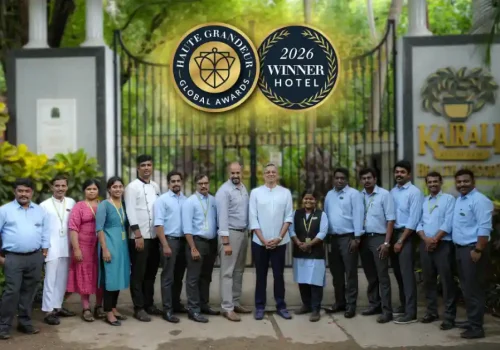
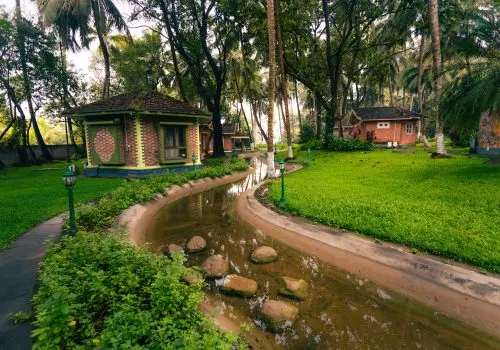
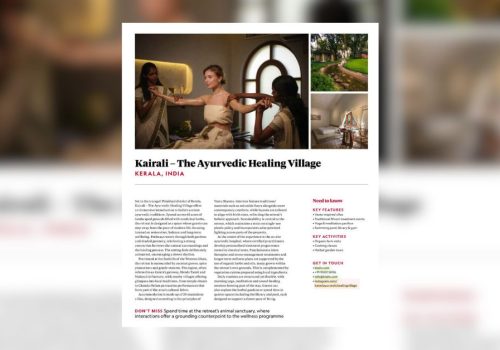
At physician-led centres such as Kairali, The Ayurvedic Healing Village, an NABH-accredited Ayurvedic hospital in Palakkad, Kerala, individual assessment forms the foundation of Ayurvedic care.
The objective is to develop an approach suited to the individual rather than applying a standardised longevity programme to everyone.
Why Rasayana Is Less Dramatic Than Modern Longevity Marketing
Contemporary longevity marketing frequently focuses on biological age reduction, advanced interventions and rapid improvements in measurable health indicators.
Ayurveda takes a more gradual approach.
Some of the most important questions during an Ayurvedic consultation concern surprisingly ordinary aspects of life.
When do you eat? How well do you sleep? Are your meal timings consistent? How much time do you allow yourself to rest? Does your daily routine support your physical and mental well-being?
These questions may appear simple, particularly in an industry increasingly associated with sophisticated technologies. Yet they address the everyday behaviours that influence our health over time.
An Ayurvedic rejuvenation programme places considerable importance on establishing regularity in these habits. Dietary adjustments, appropriate movement, adequate rest and practitioner-recommended therapies may form part of this process.
The experience of an Ayurvedic longevity retreat in India is therefore as much about understanding existing habits as it is about experiencing specialised therapies.
The longer-term value lies in what remains sustainable after the retreat ends.
The Role of Food and Digestion in Rejuvenation
Nutrition occupies a central place in Rasayana.
Ayurveda considers not only what a person eats but also how well they digest food, their appetite, the timing of meals and the suitability of particular foods to their individual constitution.
This differs from approaches that focus predominantly on calorie restriction, dietary trends or nutritional targets.
Central to this understanding is the Ayurvedic concept of Agni, which describes digestive and metabolic capacity. Classical Ayurveda considers balanced Agni important for the nourishment and maintenance of bodily tissues.
Another related concept is Āma, traditionally understood as substances associated with incomplete digestion or transformation. It is important to recognise that Āma is an Ayurvedic concept and should not be directly equated with toxins or metabolic waste in modern medicine.
Within a Rasayana programme, dietary recommendations are intended to support nourishment and digestive well-being rather than impose unnecessary restrictions.
Food becomes part of a consistent approach to maintaining health throughout different stages of life.
The Purpose of Ayurvedic Rejuvenation Therapies
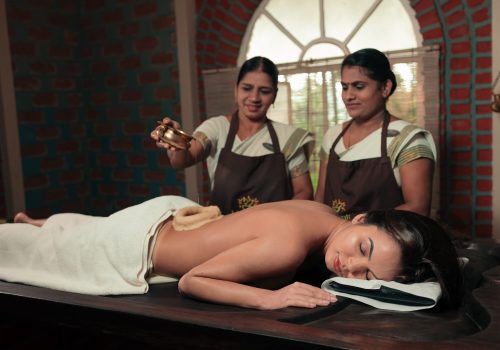
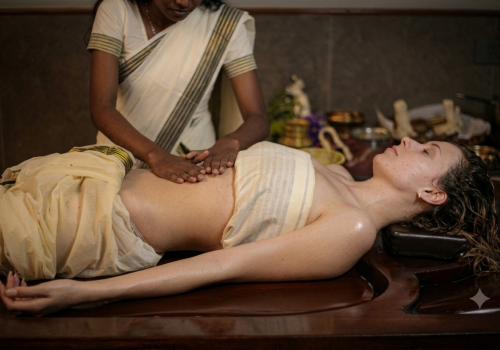
An Ayurvedic rejuvenation retreat may incorporate external therapies, herbal preparations, dietary guidance, yoga, meditation and structured periods of rest.
Practices commonly associated with Ayurvedic rejuvenation include:
- Abhyanga (Abhyaṅga): Traditional oil massage.
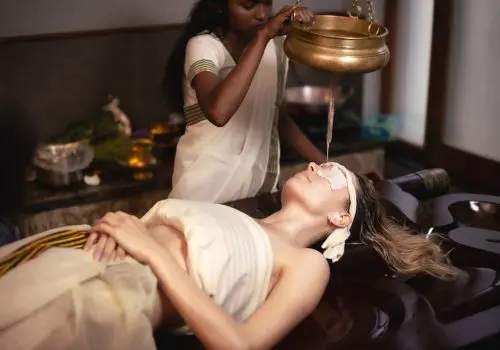
- Shirodhara (Śirodhārā): A therapy involving the controlled flow of liquid over the forehead.
- Yoga and meditation: Practices that encourage movement, awareness and relaxation.
- Rasayana formulations: Traditionally selected herbal preparations prescribed according to individual requirements.
- Panchakarma (Pañcakarma): A group of classical Ayurvedic purification procedures that may be recommended when clinically appropriate.
Panchakarma and Rasayana are distinct Ayurvedic approaches, although they may complement one another within a practitioner-supervised programme. Not every individual requires Panchakarma before beginning rejuvenation practices.
The purpose of these experiences is not to promise a reversal of ageing. Rather, they provide a structured environment in which nourishment, rest and personal health receive sustained attention.
For individuals accustomed to demanding schedules, creating space for deliberate rest can itself be a meaningful change.
What Does Modern Science Say About Rasayana?
There are areas of common ground between contemporary healthy-ageing research and traditional Ayurvedic principles. Adequate nutrition, regular physical activity, restorative sleep and stress management are recognised components of maintaining health as we age.
Modern researchers have also investigated several herbs traditionally associated with Rasayana, including:
- Ashwagandha (Withania somnifera)
- Brahmi (Bacopa monnieri)
- Amalaki (Phyllanthus emblica)
- Classical formulations such as Chyawanprash
Research into certain Ashwagandha preparations, for example, suggests potential benefits for stress and sleep quality. Other investigations have explored cognitive function, oxidative stress and cellular mechanisms associated with ageing.
However, the strength and quality of evidence vary considerably between herbs, formulations and research methods.
Promising laboratory findings or changes in individual biomarkers do not necessarily translate into meaningful improvements in human lifespan.
There is currently insufficient robust clinical evidence to establish that Rasayana reverses biological ageing or extends human lifespan. The long-term safety of certain herbal preparations also requires further investigation.
These limitations matter. They allow Rasayana to be understood within its traditional context without attributing scientific certainty to outcomes that have yet to be established.
Herbal preparations and specialised therapies should be considered under qualified practitioner supervision, particularly for individuals taking medication or managing existing health conditions.
Why Rasayana Becomes Relevant in Midlife
Midlife often brings a shift in how people think about health. Maintaining physical strength, mobility, restful sleep, emotional stability and independence may become increasingly important.
Rather than pursuing youth as an aesthetic or biological ideal, the focus begins to move towards healthspan: the years of life spent in good health and with the ability to participate meaningfully in everyday activities.
This is where the traditional principles of Rasayana offer an interesting perspective.
Its emphasis on appropriate nourishment, regular routines, restorative practices and individualised care encourages a sustained relationship with health.
Although Rasayana is not restricted to people over 40, its principles may be particularly relevant to those reconsidering their health priorities during midlife and beyond.
Healthy Ageing Beyond the Numbers
Technology has given us useful tools for understanding our bodies. The challenge is ensuring that these tools support our well-being rather than become another source of pressure.
A sleep score can help identify patterns, but constantly worrying about achieving a perfect score can make rest feel like another task to complete.
A fitness tracker can encourage movement, but the value of walking also lies in maintaining mobility, spending time outdoors and enjoying the activity itself.
Ayurveda invites us to pay attention to aspects of health that are not always easily quantified: how rested we feel, how comfortably we move, how well we digest our meals and how we respond to the demands of everyday life.
This does not mean abandoning modern health assessments. It means recognising that measurement is a tool for understanding health, rather than the ultimate purpose of maintaining it.
Rasayana offers a perspective on longevity that is less concerned with resisting age and more concerned with preserving the capacity to live well through it.
Perhaps the most meaningful measure of healthy ageing is not how young our bodies appear on paper, but how fully we remain able to participate in our own lives.






Leave a Reply