































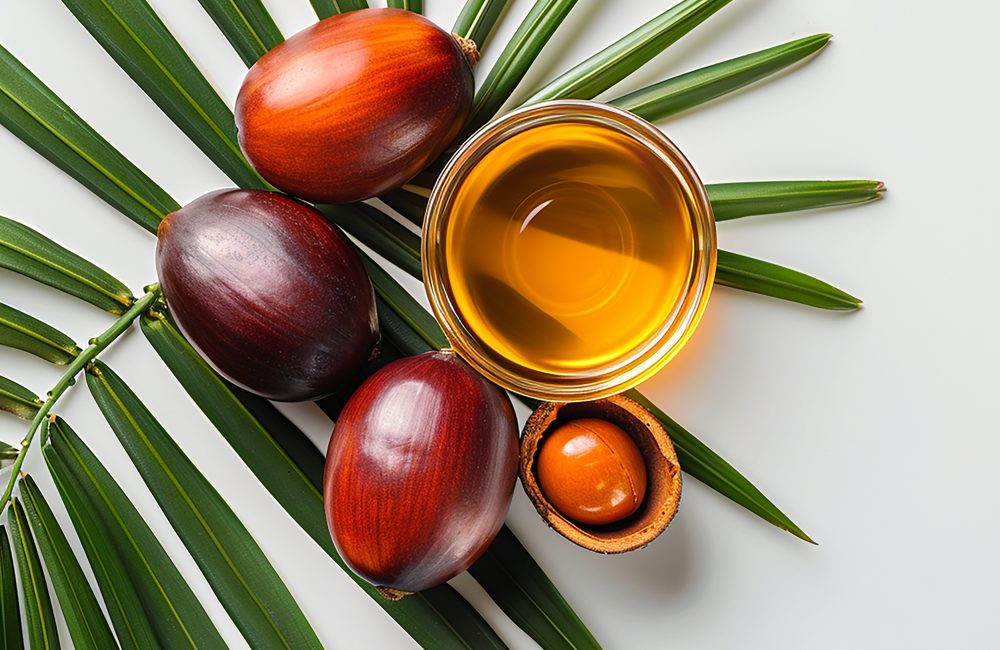

As awareness about nutrition and holistic wellness grows, more people are questioning everyday ingredients in their diets—especially the oils they consume. Among these, palm oil stands out as one of the most widely used yet highly debated fats in modern food production. Found in everything from processed foods and snacks to cosmetics, its impact on health has become a topic of increasing concern among wellness enthusiasts and Ayurvedic practitioners alike.
So, how does the ancient science of Ayurveda view palm oil? And what alternatives does this 5,000-year-old healing system recommend for optimal health and vitality?
Understanding Palm Oil: The Modern Perspective
Palm oil is derived from the fruit of the Elaeis guineensis palm and is predominantly composed of saturated fats. While it has gained popularity in the food industry due to its shelf stability, neutral taste, and cost-effectiveness, modern nutritional science has raised several concerns about its regular consumption.
Key concerns include:
- Potential to increase LDL (bad) cholesterol levels
- Contribution to systemic inflammation when consumed excessively
- Disruption of metabolic health, particularly in its refined form
- Loss of essential micronutrients during processing
- Release of harmful compounds when heated to high temperatures
Research suggests that refined palm oil, commonly used in processed foods, undergoes extensive processing that strips away beneficial compounds while potentially creating oxidative stress in the body.
The Ayurvedic Classification of Palm Oil
Ayurveda, the ancient Indian science of life and longevity, evaluates foods through the lens of gunas (qualities), rasas (tastes), and their effects on the three doshas (biological energies). This comprehensive approach looks beyond mere nutritional content to understand how foods impact our physical, mental, and spiritual well-being.
Palm Oil Through Ayurvedic Eyes
From an Ayurvedic perspective, palm oil—particularly in its refined form—is classified as having predominantly tamasik qualities. This means it is:
- Heavy and dense (guru) – difficult to digest and metabolize
- Dulling (tamas) – lacking in life force (prana) and potentially clouding mental clarity
- Processed – removed from its natural state, reducing its inherent healing properties
- Devoid of ojas – not contributing to the body’s vital essence and immunity
Traditional Ayurvedic texts emphasize that our food should support sattva (clarity, balance, and vitality) rather than increase tamas (inertia and dullness) in our system.
The Ayurvedic Perspective: What Would the Sages Say?
Ayurveda, the 5,000-year-old Indian science of life and longevity, places great emphasis on the gunas (qualities) of foods and how they interact with one’s unique constitution (prakriti). Oils are seen not just as food, but as a medium to nourish tissues (dhatus), balance doshas, and promote ojas (vitality).
In Ayurvedic terms, palm oil is considered tamasik in nature—heavy, dense, and dulling to the mind and body, especially when consumed regularly or in excessive quantity. It lacks prana (life force), and does not support the sattvic qualities (clarity, balance, vitality) that Ayurveda encourages for optimal wellbeing.
As Joint Managing Director of Kairali Ayurvedic Group, Mrs. Gita Ramesh has long advocated for conscious choices in diet and lifestyle. In her words:
“What we eat must support healing, not just fill our stomachs. Ayurveda teaches us to choose foods that are alive with energy and natural balance. Refined oils like palm oil do not belong in a healing kitchen.” – Gita Ramesh, Joint Managing Director, Kairali Ayurvedic Group
How You Can Make Healthier Oil Choices
If you’re looking to replace palm oil in your diet, here are Kairali’s top Ayurvedic oil recommendations:
- Cold-Pressed Sesame Oil: Ideal for vata and kapha balancing; strengthens immunity and supports joint health.
- Virgin Coconut Oil: Cooling and calming, especially for pitta dosha; great for heart and brain health.
Conclusion: Embracing Traditional Wisdom for Modern Health
The Ayurvedic perspective on palm oil reflects a broader principle: our food choices should support not just physical nourishment but also mental clarity and spiritual well-being. By choosing traditional, minimally processed oils over refined alternatives, we honor both ancient wisdom and modern scientific understanding.
The transition away from palm oil toward traditional Ayurvedic oils represents more than a dietary change—it’s a return to conscious eating that nourishes the body, mind, and spirit. As we rediscover these time-tested alternatives, we may find that the path to optimal health lies not in modern innovations, but in the wisdom our ancestors preserved for us through millennia.
Remember, the best oil for you is one that aligns with your constitution, supports your health goals, and brings you closer to the natural balance that Ayurveda seeks to restore in our modern lives.
FAQ
Ayurveda emphasizes natural, minimally processed foods that support digestion and balance the doshas. Highly refined oils, including some forms of processed palm oil, may be considered difficult to digest and potentially disruptive to metabolic balance when consumed excessively or regularly.
Ayurveda does not traditionally reference modern industrial palm oil in the way it is consumed today. However, Ayurvedic principles generally favor fresh, natural fats such as ghee, sesame oil, and coconut oil over heavily processed or repeatedly heated oils. The impact of palm oil may vary depending on quality, quantity, preparation method, and individual digestion.
Ayurveda commonly recommends fats like:
Ghee
Cold-pressed sesame oil
Coconut oil
Small amounts of fresh butter
These are traditionally valued for supporting digestion, lubrication, energy, and tissue nourishment when used appropriately according to dosha balance.
According to Ayurvedic understanding, overly processed, stale, or repeatedly heated oils may weaken digestive fire (Agni) and contribute to toxin accumulation (Ama). Poor digestion over time can affect energy, metabolism, and overall wellness.
At Kairali – The Ayurvedic Healing Village, Ayurvedic nutrition focuses on fresh, balanced, and dosha-specific meals prepared using traditional principles. Guests receive personalized dietary guidance that emphasizes mindful eating, natural ingredients, and healthy fats suited to their body constitution and wellness goals.