


























The Ayurvedic products market has evolved significantly over the past decade. Consumers today are more informed, more selective and increasingly interested in products that align with natural wellness and preventive healthcare.
For distributors, success is no longer about offering the largest catalogue. It is about understanding which product categories have consistent consumer demand and choosing products that combine quality, authenticity and trust.
Here are five Ayurvedic product categories that continue to play an important role in the market.
1. Ayurvedic Skin Care Products
Natural skincare has become one of the fastest-growing segments in the wellness industry. Consumers are increasingly looking for products formulated with botanical ingredients instead of synthetic alternatives.
Ayurvedic facial oils, herbal creams and skin care formulations are commonly chosen as part of daily beauty routines. Ingredients such as saffron, lotus, sandalwood and aloe vera have long been used in Ayurvedic traditions and continue to attract modern consumers seeking plant-based skincare options.
For distributors, this category offers opportunities across pharmacies, wellness stores, beauty retailers and e-commerce platforms.
2. Joint Care and Massage Oils
As populations age and awareness of musculoskeletal health grows, products designed for external joint care remain an important segment within Ayurveda.
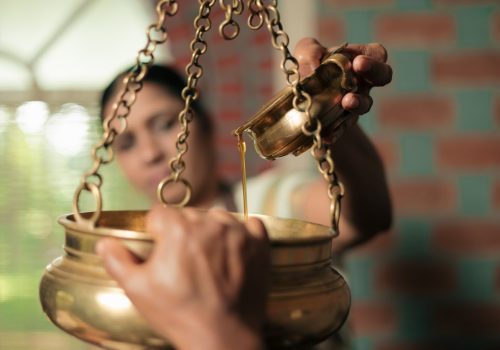
Traditional massage oils have been used for centuries as part of Ayurvedic body care practices. They are often incorporated into wellness routines and professional therapies recommended by qualified Ayurvedic practitioners.
Because these products appeal to both wellness centres and retail consumers, they remain an established category in the Ayurvedic marketplace.
3. Herbal Balms for Everyday Use
Ayurvedic balms continue to be household essentials in many regions.
People often keep herbal balms at home for occasional muscular discomfort, stiffness following physical activity or seasonal changes. Their convenience, affordability and familiarity have helped them remain one of the most accessible Ayurvedic product categories.
For distributors, these products often generate repeat purchases because they are part of everyday wellness rather than occasional use.
4. Classical Ayurvedic Formulations
Classical Ayurvedic medicines remain at the heart of Ayurvedic practice.
Formulations such as Dhanwantharam Thailam, Karpooradi Thailam, Murivenna, Nalpamaradi Thailam and Anu Thailam continue to be prescribed by qualified Ayurvedic physicians according to individual needs and classical principles.
Distributors serving Ayurvedic hospitals, clinics and practitioners often consider these formulations an essential part of their portfolio. Their continued relevance reflects the enduring importance of classical preparations in Ayurvedic healthcare.
5. Lifestyle and Wellness Products
The growing focus on preventive health has increased demand for products that support everyday wellbeing.
Consumers are looking beyond treating illness and are adopting routines that promote long-term health. This has created interest in herbal wellness products, daily self-care formulations and products that complement healthy lifestyle practices.
As awareness of Ayurveda grows globally, this category is expected to remain an important area of development for both manufacturers and distributors.
What Should Distributors Look For?
Choosing the right product categories is only part of building a successful Ayurvedic distribution business. Equally important is selecting products from manufacturers that follow recognised quality standards and maintain consistency across production.
Before expanding a product portfolio, distributors should consider:
- Product quality and ingredient authenticity.
- Manufacturing practices and quality certifications.
- Consumer demand within their target market.
- Reliable product availability and supply.
- Educational support that helps retailers and consumers understand Ayurvedic products.
Looking Beyond Trends
Market trends may change, but trust remains one of the strongest drivers of long-term success.
Distributors who focus on authentic products, dependable quality and consumer education are better positioned to build lasting relationships with retailers, healthcare professionals and customers. By understanding the categories that continue to shape the Ayurvedic market, they can create portfolios that serve both business needs and the growing interest in traditional wellness.