





















From Panchakarma and Abhyanga to Shirodhara, explore how traditional Ayurvedic therapies fit into a personalised approach to rest, daily routines and wellbeing.
The word detox has become common in modern wellness culture. It appears on everything from herbal teas to intensive cleansing programmes, often with promises of removing toxins and restoring energy.
Ayurveda approaches cleansing differently. Its traditional practices consider digestion, individual constitution, daily habits and the use of specific therapeutic procedures.
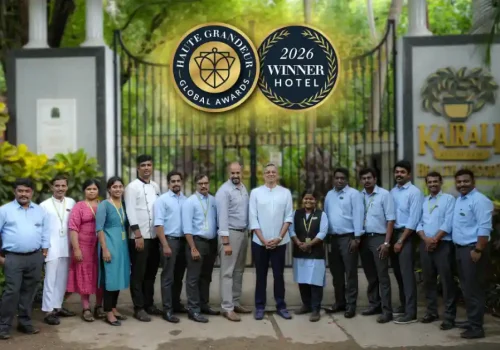
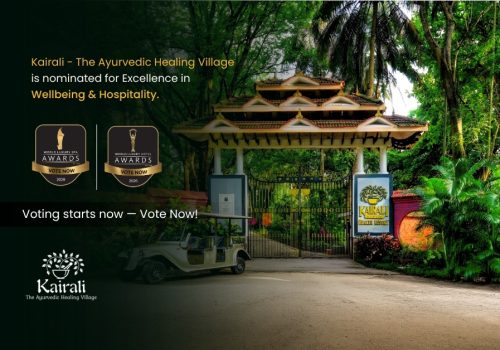
At Kairali, The Ayurvedic Healing Village, in Palakkad, Kerala, physician-led Ayurvedic care brings together traditional therapies, dietary guidance and structured daily routines.
But what does cleansing actually mean in Ayurveda, and how do these practices differ from the popular idea of detoxification?
What Does Detoxification Mean in Ayurveda?
Ayurveda describes cleansing through concepts such as Shodhana (purification) and Ama, a traditional term associated with improperly processed or metabolised substances within Ayurvedic theory.
These concepts form part of Ayurveda’s understanding of digestion and physiological balance.
However, Ama should not be directly equated with scientifically identified toxins, and Ayurvedic cleansing should not be confused with the body’s established processes for eliminating waste.
The liver, kidneys, lungs and digestive system already perform essential functions in processing and eliminating substances from the body.
There is currently insufficient clinical evidence to conclude that Ayurvedic cleansing procedures remove unspecified toxins or improve these natural processes.
Within traditional practice, the emphasis is on selecting suitable therapies, maintaining appropriate routines and adapting care to individual circumstances.
Five Traditional Ayurvedic Therapies Used in Cleansing and Rejuvenation Programmes
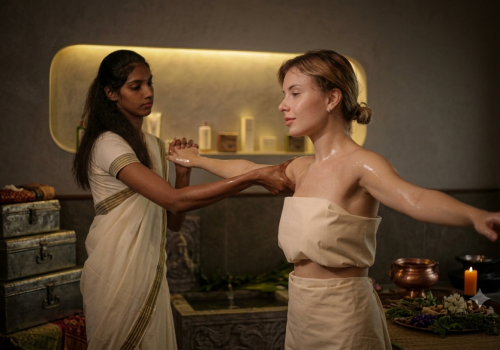
Ayurveda includes several therapies that are traditionally associated with purification, preparation, relaxation and rejuvenation.
Although these treatments are often grouped together in wellness discussions, each has a distinct purpose within the Ayurvedic system.
1. Panchakarma: A Structured Ayurvedic Purification Process
Panchakarma is one of the best-known therapeutic approaches in classical Ayurveda.
The Sanskrit term refers to five principal actions or procedures, traditionally used for specific forms of purification.
Depending on the classical tradition and clinical context, these procedures include therapeutic emesis, purgation, medicated enemas, nasal administration and other specialised elimination procedures.
A Panchakarma programme may also involve preparation, dietary adjustments and a period of recovery.
Importantly, not every individual requires all five procedures.
A qualified Ayurvedic physician determines which interventions, if any, are appropriate after assessing health history, constitution and other relevant factors.
At Kairali, The Ayurvedic Healing Village, Panchakarma forms part of its physician-led approach to traditional care.
These procedures should not be attempted independently. Some involve significant physical interventions and require appropriate assessment, supervision and safety precautions.
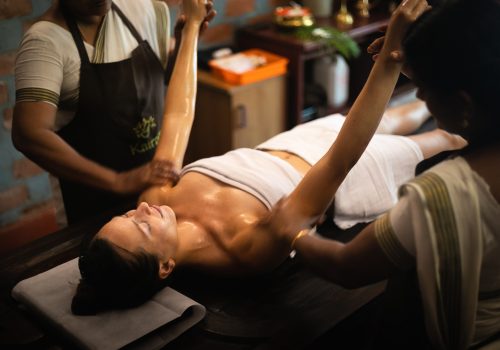
2. Abhyanga: Traditional Ayurvedic Oil Massage
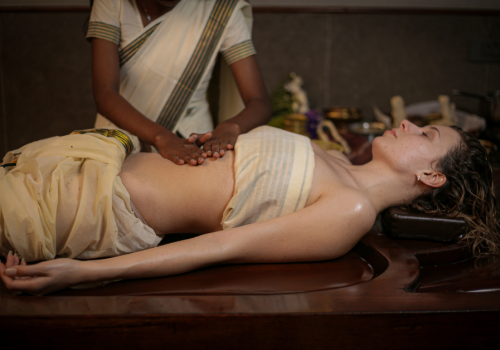
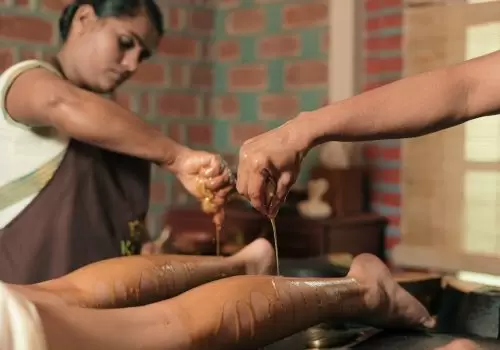
Abhyanga is a traditional Ayurvedic massage technique involving the application of oil to the body.
In Ayurveda, the choice of oil and method of application may vary according to the individual’s constitution and the purpose of the treatment.
Abhyanga is commonly incorporated into routines associated with relaxation and physical comfort.
Gentle massage may help people feel more relaxed and ease temporary muscular tension. However, evidence does not establish that Abhyanga eliminates toxins, removes emotional impurities or produces specific detoxification effects.
Its practical value is better understood through the experience of massage, rest and appropriate skin care.
3. Svedana: Therapeutic Sweating and Steam
Svedana refers to sweating or sudation procedures in Ayurveda.
These may involve steam or other controlled applications of warmth and are sometimes used alongside oil-based therapies.
Traditionally, Svedana is associated with preparing the body for certain Ayurvedic procedures and promoting a feeling of physical lightness.
Warmth may provide temporary comfort, particularly for people experiencing muscular stiffness.
However, sweating primarily helps regulate body temperature. It is not an established method of removing substantial amounts of toxins from the body.
Steam treatments may also be unsuitable for some individuals, particularly those with certain cardiovascular conditions, heat sensitivity or dehydration risks.
For this reason, suitability should be assessed before treatment.
4. Udvarthanam: Herbal Powder Massage
Udvarthanam is an Ayurvedic massage technique that uses herbal powders or pastes applied to the skin.
Unlike oil-based Abhyanga, this treatment commonly involves a different texture and massage technique.
Within traditional Ayurveda, Udvarthanam is associated with particular Kapha-related qualities and is sometimes included in structured body-care programmes.
The treatment may provide an exfoliating effect, depending on the ingredients and technique used.
However, claims that herbal powder massage breaks down body fat, accelerates metabolism or removes toxins through the lymphatic system require stronger scientific evidence.
It is best understood as a traditional external therapy whose suitability depends on individual skin health and clinical assessment.
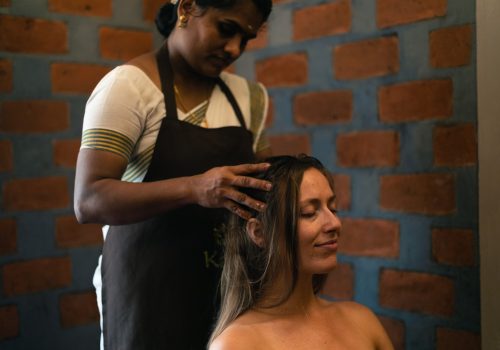
5. Shirodhara: A Traditional Practice for Relaxation
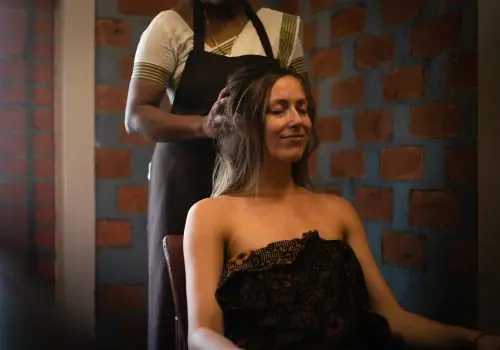
Shirodhara involves the controlled flow of a liquid, commonly warm oil, over the forehead.
It is frequently associated with calming routines in Ayurvedic practice.
The treatment is conducted in a supervised setting, with the liquid, temperature and procedure selected according to the individual’s needs.
Some preliminary research has explored Shirodhara in relation to relaxation and stress-related outcomes, but the available evidence is limited.
There is insufficient evidence to conclude that Shirodhara detoxifies the nervous system or reliably improves specific medical conditions.
For many people, its appeal lies in the quiet, structured nature of the experience.
Why Personalised Assessment Matters in Ayurveda
Traditional Ayurvedic care does not assume that every person needs the same treatment.
A practitioner may consider Prakriti (individual constitution), Vikriti (the current doshic state), digestive patterns, lifestyle and general health when planning a programme.
At Kairali, The Ayurvedic Healing Village, consultations and practitioner supervision form part of the approach to residential Ayurvedic care.
The property is an NABH-accredited Ayurvedic hospital in Palakkad, Kerala.
A personalised approach is particularly important when considering intensive procedures such as therapeutic purgation or medicated enemas.
These treatments carry potential risks and may not be appropriate during pregnancy, acute illness or certain existing medical conditions.
A responsible programme should explain why a therapy is being considered, what it involves and when it should be avoided.
What Are the Realistic Benefits of Ayurvedic Rejuvenation?
Ayurvedic rejuvenation programmes commonly combine therapies with structured meals, rest, gentle movement and changes to everyday routines.
These components may provide opportunities to reduce daily demands and pay closer attention to personal habits.
Potentially useful aspects of a supervised stay include:
- Time for rest and relaxation within a structured environment.
- Dietary guidance adapted to individual needs.
- Gentle physical activity, where appropriate.
- Greater attention to sleep and daily routines.
- Professional discussion of traditional Ayurvedic practices.
These are reasonable areas of wellbeing to explore, but they should not be presented as guaranteed treatment outcomes.
Clinical research has not established that Ayurvedic cleansing programmes reliably boost immunity, reverse ageing, eliminate accumulated toxins or prevent disease.
Understanding these limitations helps readers make informed decisions about traditional care.
Can Ayurvedic Self-Care Continue at Home?
Many of Ayurveda’s everyday lifestyle principles can be incorporated into ordinary routines without undertaking intensive cleansing procedures.
The emphasis can remain on practical habits rather than attempting to reproduce a residential programme.
Eat Balanced, Regular Meals
Fresh vegetables, fruits, whole grains and suitable protein sources can contribute to a varied diet.
Ayurvedic dietary guidance may also consider digestion, season and individual preferences.
Maintain Adequate Hydration
Drinking sufficient water supports normal physiological functions.
Warm water may be a comfortable personal preference, but it does not have a special ability to flush toxins from the body.
Include Gentle Movement
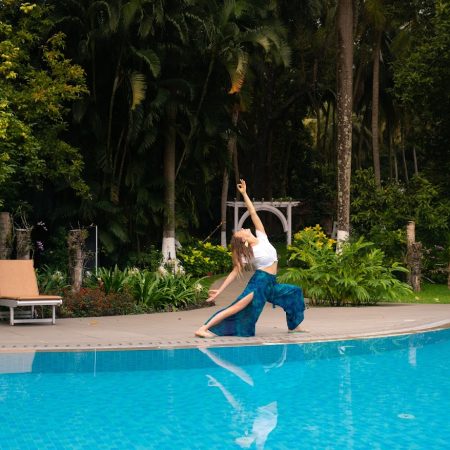
Walking, comfortable stretching or yoga can help maintain physical activity and provide opportunities for relaxation.
Create a Consistent Sleep Routine
Regular sleeping and waking times are useful foundations for everyday health.
Consider Simple Relaxation Practices
Meditation, gentle breathing exercises and suitable self-massage may be incorporated according to personal comfort.
More intensive Ayurvedic procedures, including internal cleansing therapies, should remain under qualified professional supervision.
Ayurvedic Rejuvenation at Kairali, The Ayurvedic Healing Village
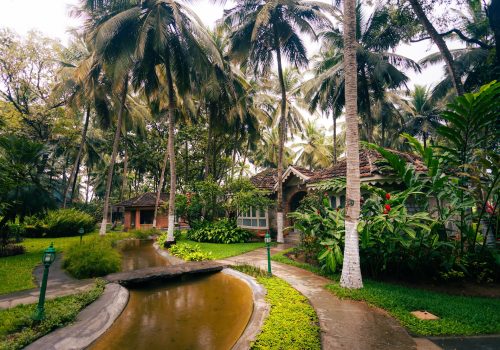
Located in Kerala’s Palakkad district, Kairali, The Ayurvedic Healing Village, offers residential Ayurvedic care in a setting designed around traditional practices and structured daily routines.
Its approach incorporates physician consultations, selected Ayurvedic therapies, dietary guidance and opportunities for rest.
For people interested in understanding Panchakarma or other traditional therapies, a supervised environment provides a setting in which suitability, expectations and safety can be discussed before treatment.
Explore Panchakarma and traditional Ayurvedic care at Kairali.
Conclusion: Understanding Cleansing Beyond the Detox Trend
Ayurvedic cleansing is often described using the language of detoxification, but the traditional framework is more complex than the removal of unspecified toxins.
Practices such as Panchakarma, Abhyanga, Svedana, Udvarthanam and Shirodhara have different roles within Ayurvedic care.
Their use should depend on individual assessment rather than a general belief that everyone needs regular detoxification.
For readers exploring Ayurveda, the most useful starting point is understanding what each procedure involves, what evidence supports it and which safety considerations apply.
A considered approach to Ayurvedic rejuvenation begins with informed choices, realistic expectations and qualified supervision.
Website: www.ktahv.com
Call: +91-9555156156