












Learning Ayurveda in Kerala offers something that online reading alone cannot provide.
Students can observe how Ayurvedic ideas are applied in daily routines, food, therapies and residential care. They can also learn within the region where many classical Kerala treatment traditions continue to be practised.
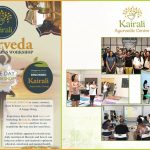
Kairali – The Ayurvedic Healing Village in Palakkad offers Ayurveda training for healthcare professionals, wellness practitioners, students and general learners who want a structured introduction to the subject.
The programme ranges from basic learning to more advanced areas. Its length and content depend on the participant’s background and chosen level of study.
Who are the programmes for?
The training is designed for a mixed group of learners.
According to Kairali’s programme page, suitable participants include:
- Ayurvedic and wellness therapists
- Doctors
- Dietitians
- Wellness managers
- Students
- People with a general interest in Ayurveda
This broad entry structure allows participants to approach the subject from different professional and personal perspectives. A therapist may be interested in practical procedures. A dietitian may focus more closely on Ayurvedic food principles. A general learner may begin with daily routine, constitution and foundational concepts.
The course page does not state that every programme qualifies a participant to diagnose illness, prescribe medicine or practise Ayurveda clinically. Prospective students should ask about the exact professional scope of the certificate before enrolling.
What can participants study?
Kairali describes the Ayurveda Training Program as covering both introductory and advanced concepts.
The course can also be adapted around areas of interest such as:
- Ayurvedic therapy
- Nutrition
- Consultation
- Wellness management
The exact curriculum is not published in full on the current webpage. Participants should therefore request a written module list before confirming a place.
A useful course description should explain how much time is given to theory, observation and supervised practical learning.
How long does the training take?
There is no single duration for every participant.
Kairali states that its options range from short-term courses to more detailed programmes extending across several months. The length depends on the level of training selected.
This flexibility can be useful for international travellers and working professionals. However, students should confirm the following details before arranging travel:
- exact start and end dates;
- total teaching hours;
- daily schedule;
- attendance requirements;
- assessment method; and
- whether practical sessions are included.
These details are not specified on the current programme page.
Is a certificate provided?
Kairali states that participants receive a certificate after successfully completing the selected programme.
A completion certificate records participation in a course. It should not automatically be understood as a licence to practise medicine or perform clinical procedures independently.
Before enrolling, students should ask:
- Who issues the certificate?
- What learning outcomes does it recognise?
- Is the course approved by an academic or professional authority?
- Does it carry continuing education credit?
- What activities can the graduate legally perform afterwards?
Clear answers are especially important for international participants who plan to use the training professionally in another country.
Learning within a residential Ayurveda setting
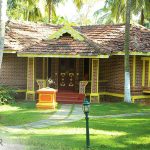
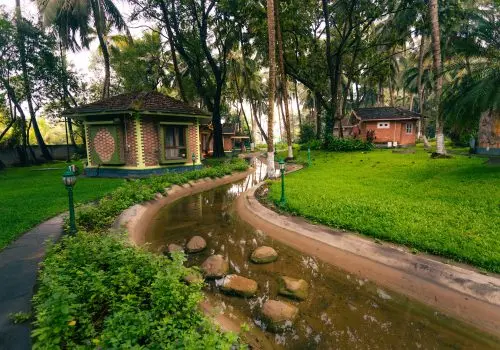
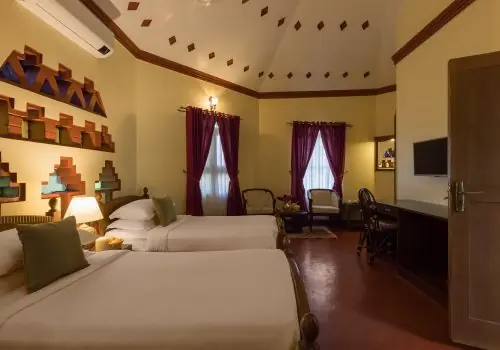
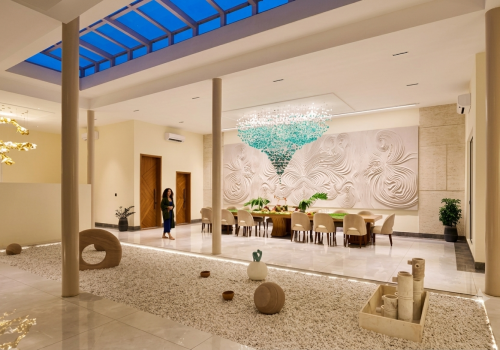
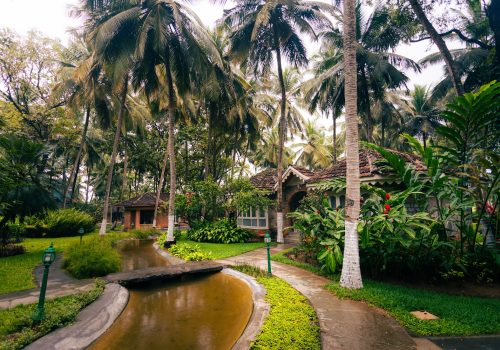
The Healing Village combines training with a residential Ayurveda environment in Palakkad.
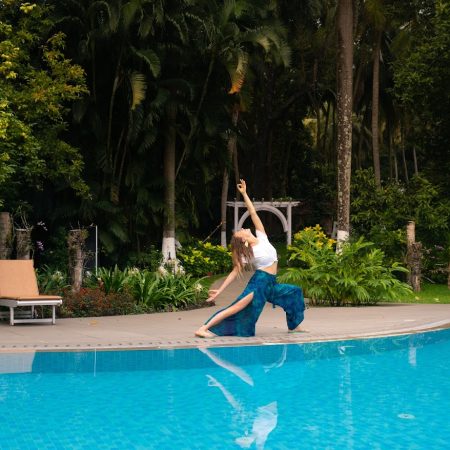
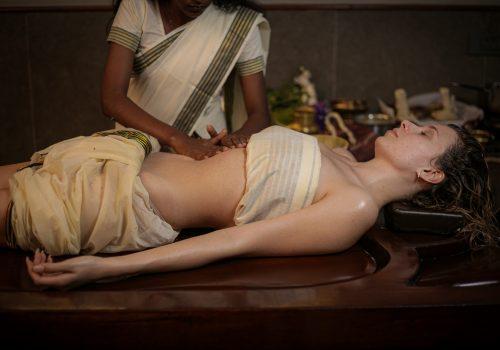
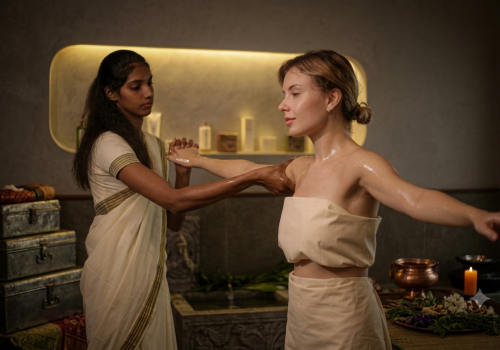
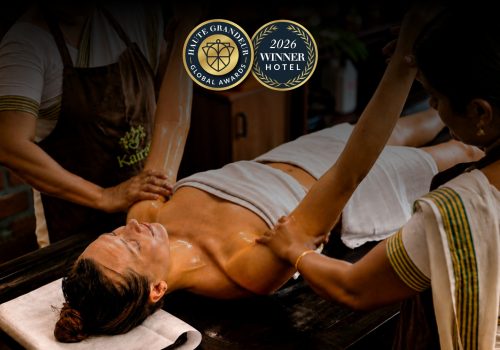
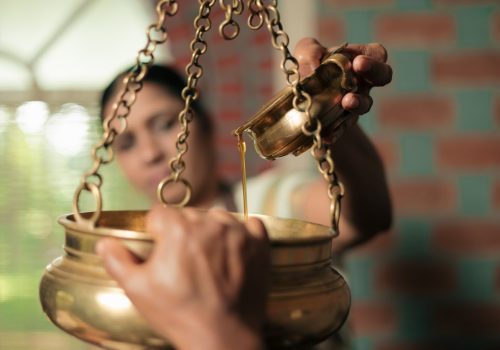
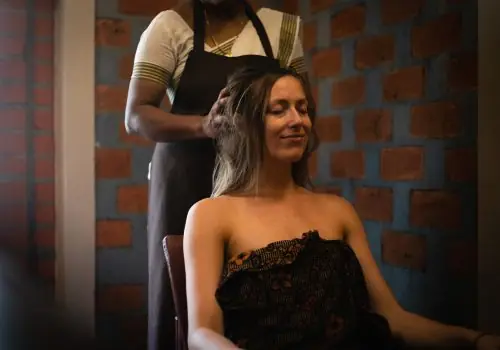
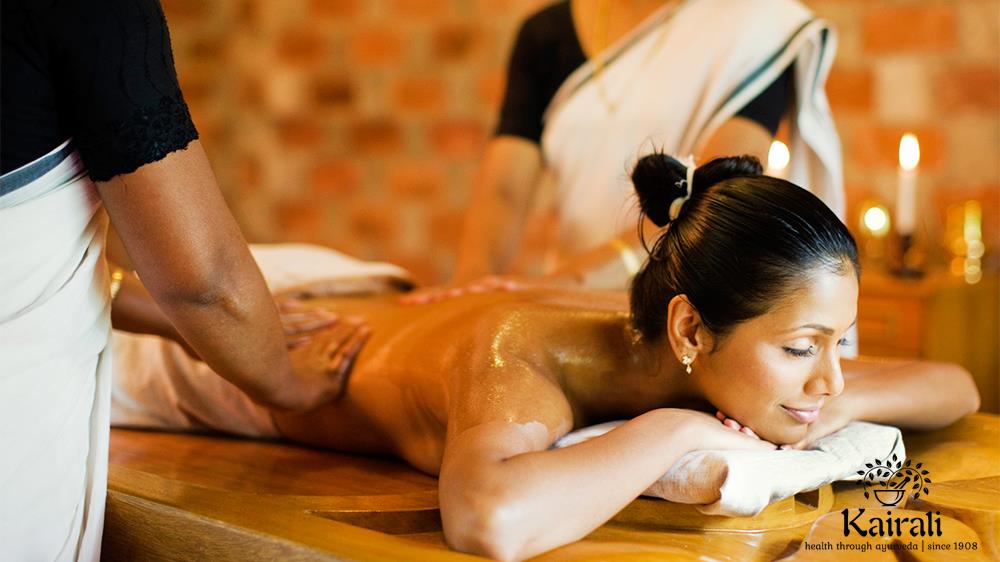
The programme page presents a sample daily routine that may include yoga, breathing practices, educational sessions, cooking demonstrations, workshops, factory visits and Ayurvedic therapies. Meals, periods of rest and meditation may also form part of the day.
This can help learners see Ayurveda as more than a list of treatments.
They may observe how daily routine, food, movement and rest are organised alongside formal teaching. At the same time, the sample schedule should not be assumed to apply to every course or every training date. Students should request the confirmed timetable for their chosen programme.
What role does Panchakarma play?
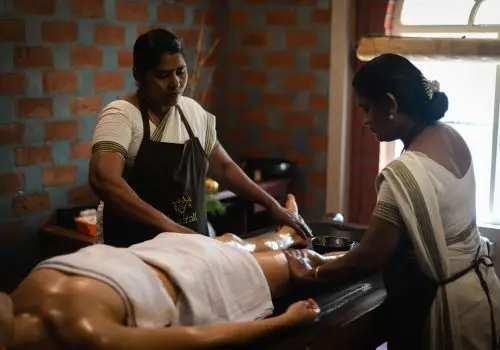
Panchakarma is often one of the main reasons students seek Ayurveda training in Kerala.
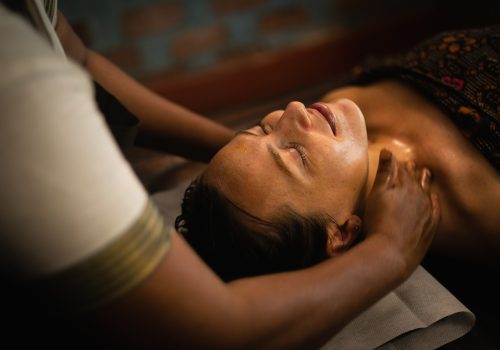
It refers to a group of physician-directed procedures used within a wider Ayurvedic treatment plan. It should not be reduced to a massage course or a fixed “detox” package.
A responsible training programme should clearly distinguish between:
- learning the theory of Panchakarma;
- observing procedures;
- practising therapist-level skills under supervision; and
- making clinical decisions, which belongs to qualified Ayurvedic physicians.
Kairali’s current page discusses Panchakarma within its wider Ayurveda context, but it does not publish a detailed Panchakarma curriculum for the training programme.
Students who are especially interested in Panchakarma should ask which procedures are taught, whether teaching is observational or practical, and what prior qualifications are required.
Why the setting matters
Kairali, The Ayurvedic Healing Village is an NABH-accredited Ayurvedic hospital in Kodumbu, Palakkad.
This gives learners exposure to an institution that operates within a defined clinical and patient-safety framework. It does not mean that every training certificate is clinically accredited or authorises independent practice. Those are separate questions and should be verified for each course.
The value of the setting lies in the opportunity to understand how physicians, therapists, food services and residential routines work together within an Ayurvedic institution.
How to choose the right Ayurveda course
A short introductory workshop and a professional therapist programme serve very different purposes.
Before choosing a course, consider what you want to learn.
A general learner may want a foundation in Ayurvedic concepts and daily routine. A wellness professional may need practical knowledge that complements an existing qualification. A doctor or dietitian may want a more focused programme connected to their field.
Ask the training team for:
- the full curriculum;
- faculty names and qualifications;
- course duration and teaching hours;
- entry requirements;
- practical training details;
- certificate wording;
- fees and payment terms;
- accommodation and meal inclusions; and
- cancellation conditions.
A credible programme should be able to provide this information in writing.
What the course should not promise
An Ayurveda course should not suggest that a short certificate allows a participant to diagnose disease, prescribe internal medicine or conduct complex Panchakarma procedures without appropriate qualifications.
Nor should it promise that Ayurveda has a simple answer for every physical, emotional or spiritual concern.
Good education makes the boundaries clearer.
It should teach students where general lifestyle knowledge ends, where therapist skills begin and where clinical judgement must remain with a qualified Ayurvedic physician.
Learning Ayurveda with realistic expectations
Ayurveda training in Kerala can offer a valuable introduction to the system’s principles and practical setting.
Kairali’s programme is designed for a range of participants and can vary in length and area of focus. The current information supports options in therapy, nutrition, consultation and management, together with certification after successful completion.
For that reason, prospective students should treat the website as a starting point. The next step is to request the current programme brochure and confirm what the selected course teaches, who teaches it and what the certificate permits the learner to do.
That level of clarity is more useful than calling any course the “best Ayurveda course in India.”
Ayurveda training certificates do not necessarily qualify a participant to practise medicine. Clinical diagnosis, prescribing and physician-led procedures should be undertaken only by appropriately qualified and legally authorised professionals.