























Kairali Ayurvedic Center organised a one-day Ayurveda wellness workshop in Singapore to introduce participants to practical ideas from Ayurveda, yoga, meditation, nutrition, and daily self-care.
The workshop was held in collaboration with Edible Garden City at 60 Jalan Penjara, off Tanglin Road, Singapore. Although designed as a one-day programme, the event was offered across two dates, 24 and 25 August, so that participants could attend on the day that suited them.
Led by Dr Linto Jacob, Vice President, Operations, Kairali Ayurvedic Center, the programme focused on how everyday habits influence physical, mental, and emotional wellbeing.
Bringing Ayurveda into daily life
The central theme of the workshop was awareness.
Ayurveda is often introduced through therapies or herbal products, but its wider framework also includes food, sleep, movement, routine, and seasonal habits.
The Singapore workshop was designed to make these ideas easier to understand. Rather than presenting Ayurveda as an abstract philosophy, the sessions focused on practical aspects of daily life.
Participants were introduced to ways in which Ayurveda considers:
- daily routine;
- physical wellbeing;
- food and nutrition;
- emotional health;
- yoga and meditation;
- self-awareness.
The aim was educational. The workshop did not replace individual medical assessment or practitioner-led care.
Five learning areas
The programme was organised around five main themes.
Healthy lifestyle
This session explored how regular habits can shape daily wellbeing.
Ayurveda places importance on consistency in sleep, meals, movement, and rest. The discussion encouraged participants to look at their own routines and identify where greater structure might be useful.
Physical wellbeing
The physical-wellbeing segment considered the relationship between movement, rest, and everyday care.
Participants were encouraged to think beyond intensive exercise and focus instead on suitable, repeatable practices that support daily function.
Nutrition
Food formed an important part of the workshop.
Participants were introduced to Ayurvedic ideas about freshness, digestion, season, and individual suitability. The session also discussed how different foods may be selected according to constitution and digestive capacity.
Ayurvedic cuisine was presented as part of the learning experience, helping participants understand how food choices can be approached in a more considered way.
Diseases and disorders
This segment addressed the importance of recognising when symptoms require professional attention.
Ayurveda offers a traditional framework for understanding patterns in the body, but general information should not be treated as diagnosis or treatment advice.
Participants were encouraged to seek qualified guidance for persistent or serious health concerns.
Emotional health
The emotional-health session explored the connection between stress, sleep, daily routine, and mental wellbeing.
Yoga, meditation, and breathing practices were discussed as supportive tools that may help create a steadier daily rhythm.
Practical sessions
The workshop also included guided activities.
These were designed to help participants experience some of the principles discussed during the learning sessions.
Activities included:
- fitness and movement;
- self-awareness practices;
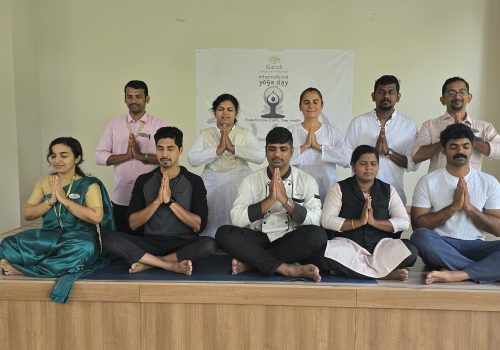
- yoga and meditation;
- mental-wellbeing exercises;
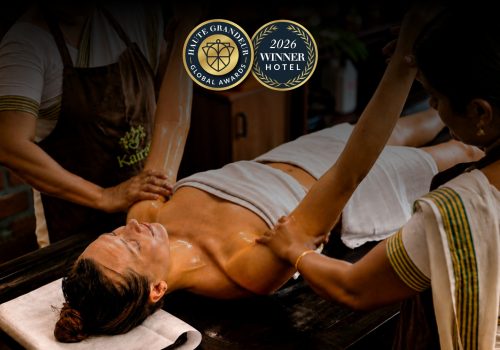
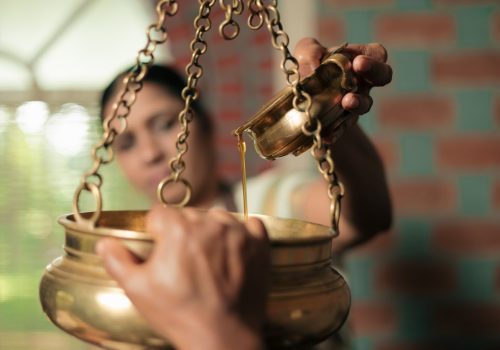
- therapeutic self-massage demonstrations.
Self-massage was presented as a general educational practice. Participants were not given a substitute for individual clinical advice.
Food and interactive breaks
The programme included interactive refreshment breaks and a holistic bento-box lunch.
The meal supported the workshop’s focus on practical food education. It gave participants an opportunity to experience how Ayurvedic-inspired dishes may be organised around balance, digestibility, and variety.
A Kairali Ayurvedic gift basket, valued at $75, was also included for participants.
Why workshops like this matter
Ayurveda can appear complex to people encountering it for the first time.
Terms such as doṣa (functional principle), agni (digestive and metabolic capacity), and dinacaryā (daily routine) are often simplified or misunderstood in popular wellness content.
A structured workshop allows these ideas to be explained with greater context.
It also gives participants a chance to ask questions, understand the limits of general advice, and learn when practitioner supervision is necessary.
Kairali’s educational role
Kairali Ayurvedic Group was founded in 1989 by K.V. Ramesh and Gita Ramesh and draws on four generations of Ayurvedic practice in the founders’ family.
Through its treatment centres, educational initiatives, and practitioner-led programmes, the Group works to make Ayurvedic knowledge more accessible while keeping clinical judgement central.
The Singapore workshop reflected that approach.
It brought together education, food, movement, meditation, and practical self-care in a format designed for everyday understanding.
A practical introduction to Ayurveda
The strongest aspect of the workshop was its emphasis on participation.
Participants were not only introduced to Ayurvedic ideas. They were also given space to reflect on how food, movement, rest, and emotional health interact in daily life.
That is where Ayurveda can become most useful: not as a promise of instant change, but as a framework for closer observation and more deliberate habits.