












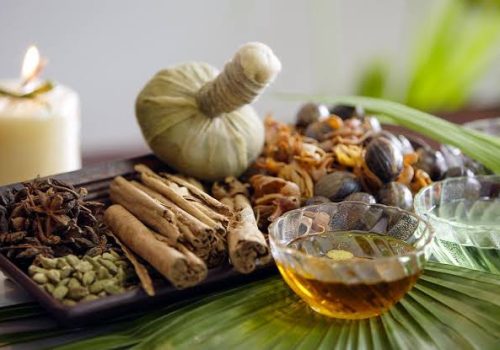



















The COVID-19 pandemic changed the way the world thinks about health. Conversations that once centred on treating illness expanded to include prevention, resilience and the everyday habits that influence our wellbeing. While vaccines, evidence-based medical care and public health measures remain the cornerstone of preventing and managing infectious diseases, many people have also become interested in complementary approaches that support overall health.
Ayurveda has long emphasised that health is built through daily choices rather than quick remedies. Its classical texts describe the importance of balanced digestion, restorative sleep, seasonal adaptation and appropriate nutrition in maintaining the body’s natural resilience. These principles remain relevant today—not as substitutes for modern medicine, but as part of a broader approach to living well.
Understanding resilience in Ayurveda
One of Ayurveda’s foundational concepts is Vyadhikshamatva, often translated as the body’s ability to resist disease and recover from illness. Rather than focusing on a single herb or therapy, Ayurveda views resilience as the outcome of multiple interconnected factors.
Digestive health (Agni), balanced tissues (Dhatus), mental wellbeing, appropriate nutrition and healthy daily routines all contribute to this resilience. When these systems function harmoniously, the body is considered better equipped to respond to physical and environmental challenges.
This perspective aligns with a broader understanding that long-term health depends on consistent lifestyle practices rather than isolated interventions.
Seasonal living matters
Ayurveda recognises that each season influences the body differently. During the monsoon and cooler months, digestive capacity is traditionally believed to become less robust. For this reason, classical Ayurvedic texts recommend adapting food choices and daily routines to the changing environment.
Simple measures such as eating freshly prepared meals, avoiding stale food, drinking adequate fluids and maintaining good personal hygiene become especially important during seasons associated with higher rates of respiratory and gastrointestinal infections.
Nutrition as a foundation
Ayurveda encourages meals that are fresh, seasonal and appropriate for an individual’s constitution and digestive capacity.
Warm, freshly cooked foods are generally preferred over heavily processed or repeatedly reheated meals. Spices such as ginger, cumin, coriander, black pepper and turmeric have traditionally been used to support digestion and enhance the flavour of food.
Rather than focusing on individual “superfoods,” Ayurveda places greater emphasis on dietary patterns that are sustainable and suited to the individual.
Traditional herbs in Ayurveda
Several herbs have a long history of traditional use in Ayurvedic practice.
Tulsi (Holy Basil) has traditionally been valued in Ayurveda for supporting respiratory health and general wellbeing. It is commonly consumed as an herbal infusion during seasonal changes.
Guduchi (Tinospora cordifolia) is described in classical Ayurvedic literature as a Rasayana, a category of substances traditionally associated with supporting vitality and resilience.
Ashwagandha (Withania somnifera) is best known for its traditional use in supporting stress adaptation and overall wellbeing. Modern research has explored its potential role in stress management and sleep, although studies continue to evolve.
Turmeric (Curcuma longa) has been used for centuries in culinary and traditional Ayurvedic practices. Its active constituents have attracted considerable scientific interest, but research findings should not be interpreted as evidence that turmeric prevents or treats viral infections.
These herbs should be understood within the context of traditional Ayurvedic practice rather than as standalone solutions for infectious diseases.
The role of daily routine
Ayurveda’s concept of Dinacharya, or daily routine, extends beyond personal hygiene. It encompasses regular sleep, appropriate physical activity, mindful eating and practices that promote mental balance.
Many of these recommendations complement modern health advice:
- Prioritising adequate sleep
- Managing chronic stress
- Eating balanced, home-prepared meals
- Staying physically active
- Maintaining good hygiene
- Spending time outdoors when appropriate
Although these practices cannot prevent specific viral infections, they contribute to overall health and wellbeing.
Yoga and mental wellbeing
The pandemic highlighted the close relationship between mental and physical health. Extended periods of uncertainty, isolation and disrupted routines affected millions of people worldwide.
Yoga and meditation have traditionally been integral components of Ayurvedic living. Contemporary research suggests that regular yoga practice and mindfulness techniques may help reduce perceived stress, improve sleep quality and support psychological wellbeing in many individuals.
These benefits should be viewed as supporting overall health rather than providing protection against infectious diseases.
What Ayurveda cannot claim
Responsible healthcare requires acknowledging the limits of every medical system.
There is currently no credible evidence that Ayurvedic herbs, therapies or lifestyle practices can prevent, cure or replace evidence-based treatment for COVID-19 or other viral respiratory infections.
Anyone experiencing symptoms such as persistent fever, breathing difficulty or severe illness should seek appropriate medical evaluation. Ayurvedic care may complement conventional healthcare in certain situations under qualified professional supervision, but it should not replace it.
An integrative approach to health
Perhaps the most enduring lesson of the pandemic is that health is multifaceted.
Vaccination, appropriate medical care, nutrition, sleep, physical activity, stress management and social wellbeing each play distinct roles in maintaining health. Ayurveda contributes a valuable perspective by reminding us that resilience is built through consistent daily habits rather than occasional interventions.
For many people, the future of healthcare is not a choice between modern medicine and traditional systems. Instead, it is about understanding how evidence-based conventional care and responsibly practised traditional medicine can coexist in ways that prioritise safety, transparency and individual wellbeing.
The principles of Ayurveda continue to offer thoughtful guidance on living in harmony with the seasons, eating mindfully and cultivating sustainable habits. When practised alongside modern medical care and informed by current evidence, these timeless ideas remain relevant—not because they promise miracle cures, but because they encourage a healthier relationship with everyday life.