

























It rarely happens overnight.
For many people, the first signs are subtle—a restless night’s sleep, constant mental fatigue, irritability, or the feeling of never quite switching off. Weeks become months, stress becomes routine, and the body begins adapting to a state it was never designed to sustain.
Modern medicine increasingly recognises the relationship between chronic stress and cardiovascular health. Ayurveda has approached this connection for centuries, not by looking at a single symptom in isolation, but by asking a broader question: What in a person’s daily life has gradually moved them away from balance?
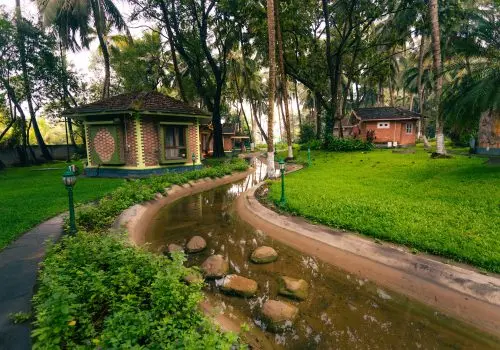
That difference in perspective is what draws many guests to Kairali – The Ayurvedic Healing Village in Kerala. Instead of beginning with a standard treatment protocol, every wellness programme starts with understanding the individual—their constitution, lifestyle, sleep patterns, diet, emotional wellbeing, and daily routine.
Ayurveda Looks Beyond the Numbers
High blood pressure is often called a silent condition because it may develop without obvious symptoms. While medical diagnosis and treatment remain essential, Ayurveda focuses on another aspect that deserves attention: the lifestyle patterns that often accompany chronic stress.
Irregular meals. Long working hours. Poor sleep. Constant mental stimulation. Little time for recovery.
Rather than viewing these as separate problems, Ayurveda considers them interconnected. The objective is not simply to respond to one measurement but to encourage habits that support long-term health and resilience.
Why Relaxation Is More Than a Luxury
Relaxation is sometimes treated as an indulgence. Ayurveda sees it differently.
Periods of genuine rest allow the body and mind to recover from continuous stimulation. This is why many traditional Ayurvedic therapies are designed not around intensity but around slowing down—creating an environment where both body and mind can gradually settle.
That philosophy is reflected throughout Kairali’s physician-led wellness programmes, where therapies, yoga, meals, and daily schedules work together rather than as isolated experiences.
The Experience of Classical Ayurvedic Therapies
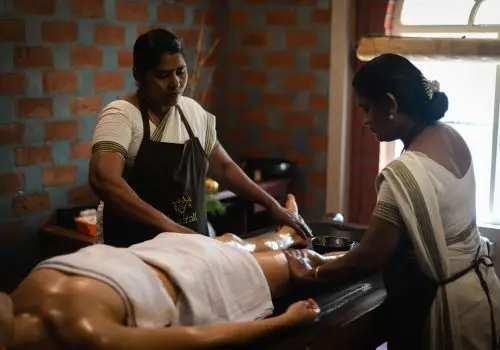
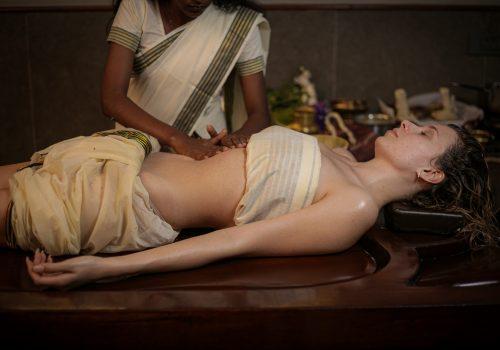
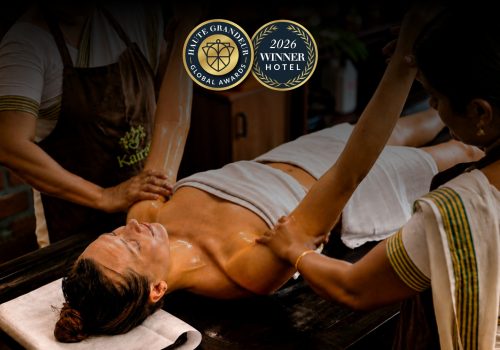
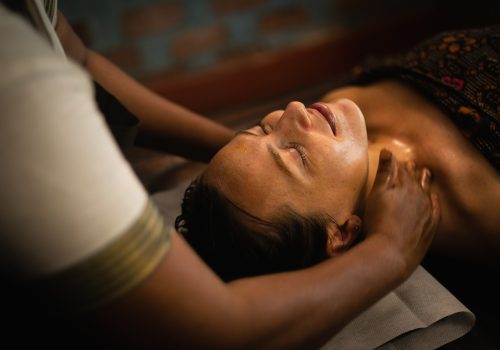
One of the first therapies many guests experience is Abhyanga, a rhythmic full-body massage performed using warm herbal oils selected according to the physician’s assessment. Beyond the physical massage itself, the combination of warmth, touch, and uninterrupted quiet often becomes an opportunity to disconnect from the constant pace of everyday life.
Abhyanga is commonly followed by Swedana, a gentle herbal steam therapy that complements the massage and forms part of a personalised treatment sequence.
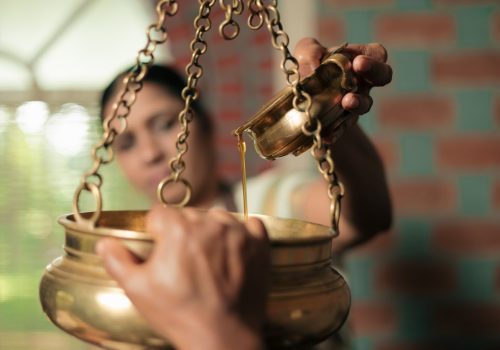
Another well-known therapy is Shirodhara, during which a continuous stream of warm herbal oil flows across the forehead. For centuries, this therapy has been used in Ayurveda as part of programmes intended to encourage deep relaxation and mental calmness. Many guests describe it as one of the most memorable experiences during their stay.
Depending on the physician’s assessment, Takradhara, which uses medicated buttermilk instead of oil, may also be recommended as part of an individualised programme.
Where Yoga Fits In
Ayurveda and Yoga have always complemented one another.
While Ayurvedic therapies create opportunities for rest and restoration, Yoga provides practical tools that guests can continue long after returning home.
Gentle movement, mindful breathing, and guided relaxation become part of a sustainable daily routine rather than something experienced only during a wellness retreat.
Practices such as Anuloma Viloma, Chandra Bhedana, Sheetali, and Sheetkari are traditionally taught to cultivate steadier breathing and a greater sense of calm. Like every aspect of Ayurveda, these practices are introduced according to the individual’s needs and experience.
The Kairali Approach
At Kairali, there is no standard wellness programme.
Every guest undergoes a detailed consultation with an Ayurvedic physician before therapies are recommended. The physician considers the guest’s constitution (Prakriti), current imbalance (Vikriti), lifestyle, medical history, and personal wellness goals before creating an individual plan.
That plan may include classical Ayurvedic therapies, personalised meals, yoga, meditation, and practical lifestyle guidance that guests can continue once they return home.
As an NABH-accredited Ayurvedic hospital with the Government of Kerala’s Green Leaf Certification, Kairali combines classical Ayurvedic practice with structured clinical care delivered by qualified physicians.
A Complementary Approach to Long-Term Wellbeing
Ayurveda does not seek to replace modern medicine, particularly for people living with diagnosed cardiovascular conditions. Instead, it offers a complementary perspective—one that encourages healthier routines, greater self-awareness, and a more sustainable relationship with stress.
Perhaps that is Ayurveda’s most enduring lesson.
Good health is rarely built through one therapy or one decision. It grows from the habits we repeat every day—how we eat, how we sleep, how we move, and whether we allow ourselves the time to slow down.
For many people who visit Kairali, that shift in perspective becomes just as valuable as the therapies themselves.
Website: www.ktahv.com
Call: +91-9555156156