
























Pregnancy and the weeks after childbirth are among the most important phases in a woman’s life. During this time, the body goes through many physical, emotional, and hormonal changes.
Ayurveda views these stages as an opportunity to support the mother’s overall wellbeing through nourishing food, healthy routines, adequate rest, and personalised care. Rather than treating pregnancy as an illness, Ayurveda encourages practices that help maintain balance while working alongside modern maternity care.
At Kairali – The Ayurvedic Healing Village, these traditional principles are integrated into physician-guided wellness programmes designed to complement routine prenatal and postnatal healthcare.
Understanding Garbhini Paricharya
Classical Ayurveda describes pregnancy care through the concept of Garbhini Paricharya, which means caring for the expectant mother throughout pregnancy.
The approach focuses on supporting both mother and baby by encouraging healthy daily habits. These include balanced nutrition, sufficient rest, gentle movement, and emotional wellbeing.
Ayurvedic physicians personalise these recommendations according to the mother’s constitution (Prakriti), stage of pregnancy, lifestyle, and overall health.
Why Pregnancy Care Should Be Personalised
Every pregnancy is unique.
For this reason, Ayurveda does not recommend the same routine for every woman. Instead, a qualified Ayurvedic physician evaluates the mother’s health before suggesting dietary guidance, lifestyle changes, or supportive therapies.
At Kairali, pregnancy wellness programmes begin with a detailed consultation. The recommendations are then tailored to the individual’s needs and are intended to complement ongoing obstetric care.
Nourishing Food During Pregnancy
Food plays an important role in Ayurvedic pregnancy care.
Meals are generally prepared using fresh, seasonal ingredients that are easy to digest and provide balanced nutrition. The emphasis is on wholesome eating rather than restrictive diets.
During a stay at Kairali, meals are planned according to Ayurvedic dietary principles and adjusted under the supervision of qualified practitioners.
Any significant dietary changes during pregnancy should always be discussed with the treating obstetrician or healthcare provider.
Gentle Yoga and Relaxation
Regular movement can contribute to overall wellbeing during pregnancy when it is appropriate for the individual’s health.
Prenatal Yoga, taught by qualified instructors and approved by the treating healthcare provider, may help improve flexibility, posture, breathing, and relaxation.
Meditation and breathing exercises are also commonly included in Ayurvedic wellness programmes. Many women find these practices helpful for reducing stress and encouraging mindfulness during pregnancy.
Abhyangam During Pregnancy
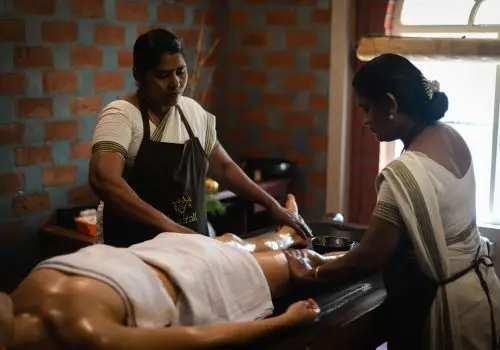
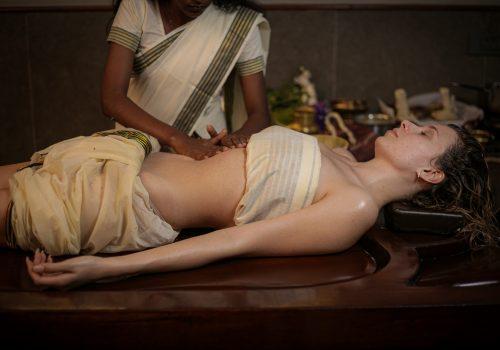
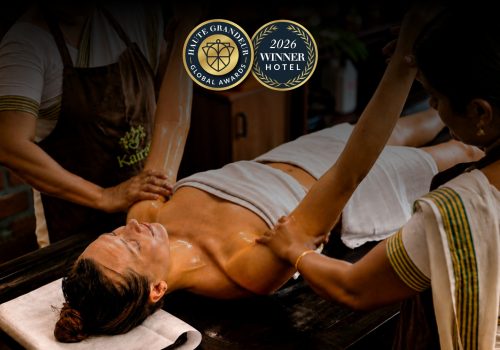
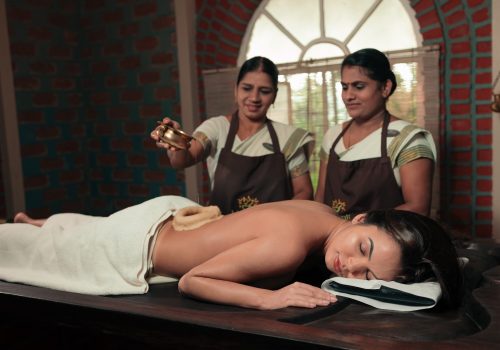
Abhyangam is a traditional Ayurvedic oil massage.
During pregnancy, massage should only be considered after medical assessment and under the supervision of qualified practitioners. The techniques are modified according to the stage of pregnancy and the mother’s individual needs.
At Kairali, any Ayurvedic therapies offered during pregnancy are recommended only after consultation with an Ayurvedic physician.
Can Pregnant Women Take Ayurvedic Herbs?
Ayurveda has traditionally used herbs to support women’s health. However, pregnancy requires special care.
Pregnant women should never self-prescribe Ayurvedic herbs or medicines. Some herbs may not be suitable during pregnancy, while others may interact with prescribed medications.
Any herbal preparations should only be taken after consulting both a qualified Ayurvedic physician and the healthcare professional managing the pregnancy.
Postpartum Care in Ayurveda
The weeks after childbirth are considered an important period of recovery in Ayurveda.
This stage is known as Sutika Paricharya, which focuses on helping the mother’s body regain strength while gradually adjusting to life after delivery.
Postpartum care aims to support physical recovery, emotional wellbeing, healthy routines, and adequate nourishment. These practices are designed to complement standard postnatal medical care.
Supporting Recovery After Childbirth
Recovery after delivery takes time.
Ayurveda encourages a gradual return to daily activities while giving equal importance to rest and nutrition.
Postpartum care may include:
- Nutritious meals
- Adequate hydration
- Plenty of rest
- Gentle movement
- Emotional support
- Gradual return to regular activities
These simple measures help create a supportive environment for recovery and can be adapted according to individual needs.
Ayurvedic Therapies After Delivery
After childbirth, some women may benefit from selected Ayurvedic therapies when recommended by a qualified physician and after receiving medical clearance.
The choice of therapies depends on the individual’s health and stage of recovery.
Abhyangam
Gentle Ayurvedic oil massage may be introduced during the postpartum period when appropriate. Traditionally, it is used to promote relaxation and support overall wellbeing.
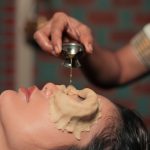
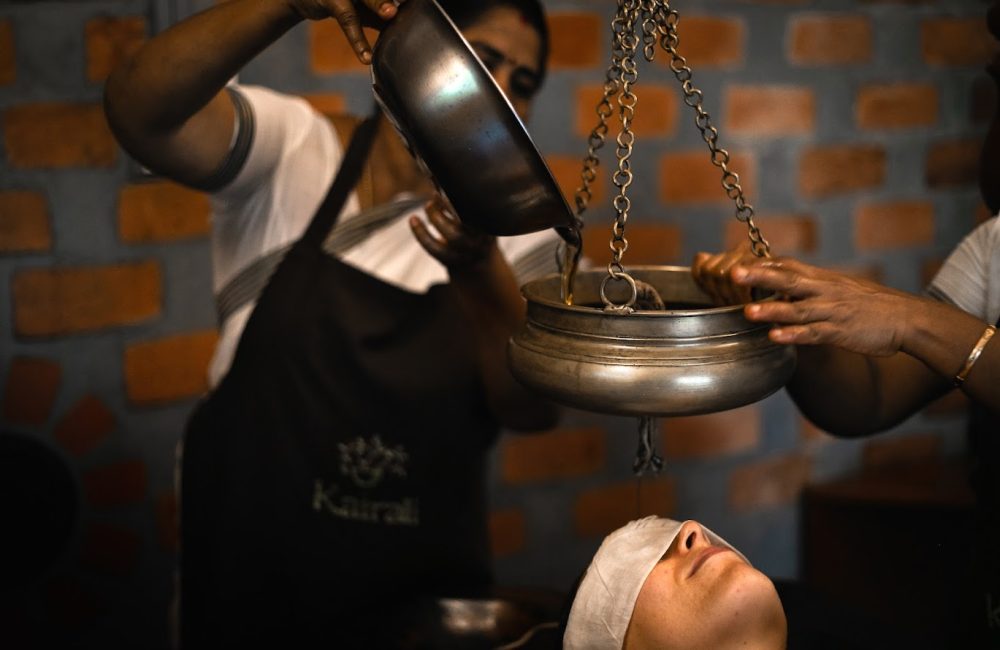
Shirodhara
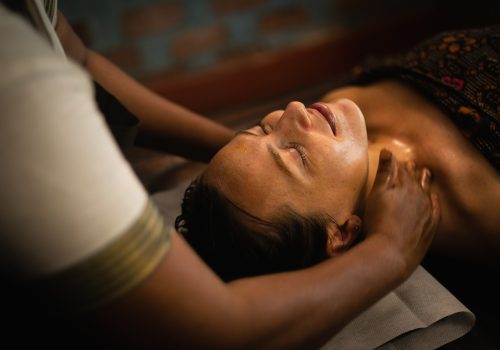
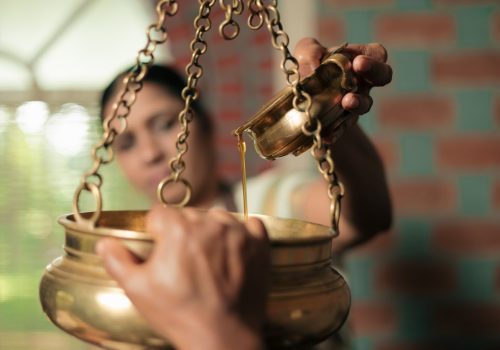
Shirodhara involves the gentle pouring of warm medicated oil over the forehead.
In Ayurvedic wellness programmes, it may be recommended to encourage relaxation and help manage stress during the recovery period.
Lifestyle Guidance
Ayurveda also places importance on regular meals, adequate sleep, gentle exercise, and allowing sufficient time for the body to recover after childbirth.
Emotional Wellbeing After Childbirth
The postpartum period often brings emotional as well as physical changes.
Ayurveda encourages creating a calm daily routine with adequate rest, family support, and time for self-care. Meditation, breathing exercises, and quiet reflection may help some women feel more relaxed.
However, ongoing sadness, anxiety, emotional distress, or difficulty coping should always be discussed with a qualified healthcare professional, as these symptoms may require medical evaluation.
Pregnancy and Postpartum Wellness at Kairali
At Kairali – The Ayurvedic Healing Village, pregnancy and postpartum wellness programmes begin with a comprehensive consultation.
Based on the individual’s health and medical suitability, the physician may recommend:
- Personalised dietary guidance
- Gentle Yoga and breathing practices
- Lifestyle recommendations
- Selected Ayurvedic therapies where appropriate
- Wellness education for long-term healthy habits
The focus is on supporting maternal wellbeing while working alongside routine prenatal and postnatal healthcare.
A Holistic Approach to Maternal Wellbeing
Pregnancy and motherhood involve much more than physical changes.
Nutritious food, adequate rest, emotional support, gentle movement, and healthy daily routines all contribute to overall wellbeing during this important stage of life.
Ayurveda offers a holistic framework for developing these healthy habits. When combined with routine medical care, physician-guided Ayurvedic wellness programmes may help women feel supported throughout pregnancy and the postpartum period.
Website: www.ktahv.com
Call: +91-9555156156