















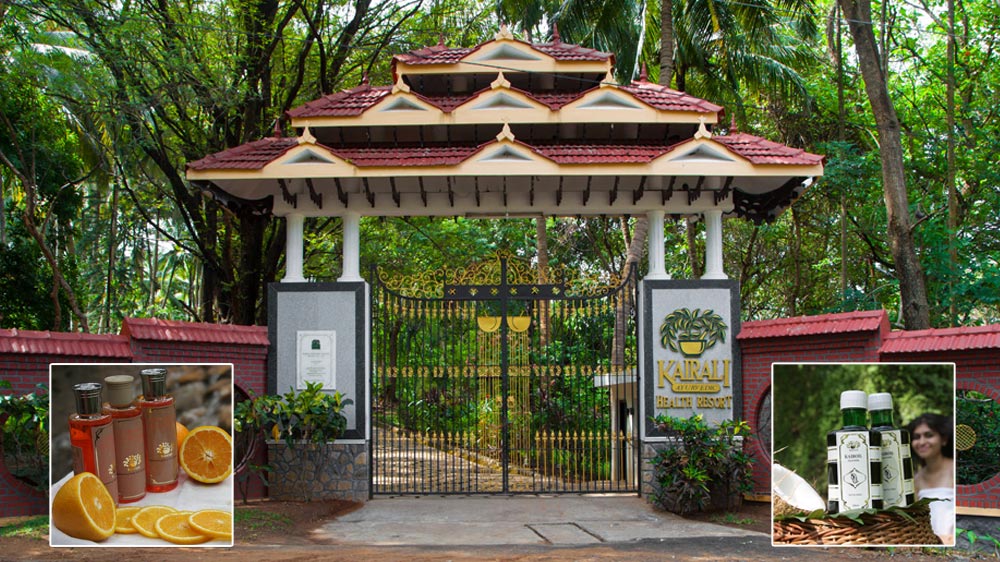

A stay at an Ayurvedic centre can be described in many ways: through its therapies, food, physicians, landscape or daily routine.
An earlier feature in Ranchi Lifestyle approached Kairali – The Ayurvedic Healing Village through all of them.
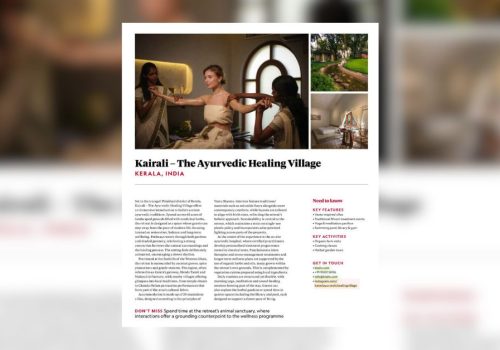
The writer’s account followed a short stay at Kairali’s Palakkad property, beginning with the journey from Coimbatore and moving through physician consultation, Ayurvedic therapies, yoga, meditation, meals and the physical environment of the centre.
Read today, the article is also an interesting record of what stood out to a first-time visitor: not a single treatment, but the way the different parts of the day were organised around a slower and more structured rhythm.
Arriving in Palakkad
The journey described in the feature began at Coimbatore airport, followed by the road journey to Palakkad.
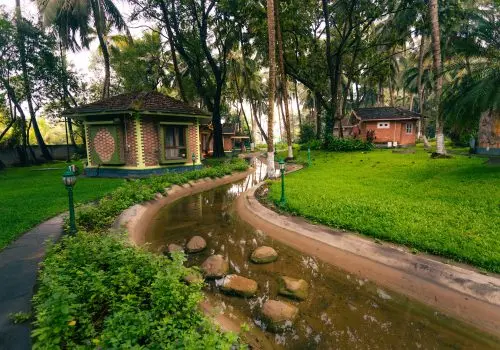
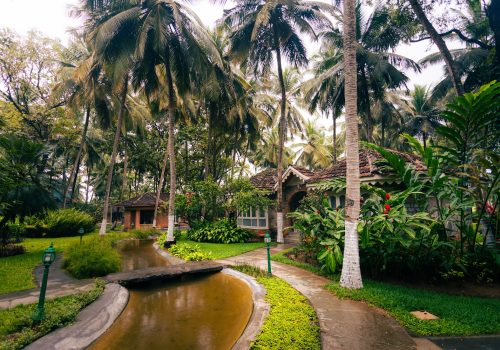
The first impression was environmental. The writer noted the transition from travel and traffic into a quieter, greener setting at the property.
That contrast is significant because Ayurvedic residential care is not experienced only inside a treatment room. The wider setting matters too: meal times, sleep, movement, consultation and periods of relative quiet all become part of the daily routine.
At Kairali, The Ayurvedic Healing Village, the residential setting is designed to support that structured approach.
Consultation before therapy
One of the more important observations in the article comes when the writer reaches the treatment section.
Before beginning any therapy, guests first met an Ayurvedic physician.
That sequence remains fundamental to responsible Ayurvedic care.
Ayurveda does not assume that every person arriving at a retreat should receive the same oils, procedures or sequence of therapies. Recommendations are made after assessment and can vary according to constitution, present health, medical history and other clinical considerations.
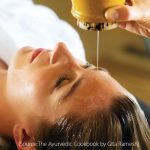
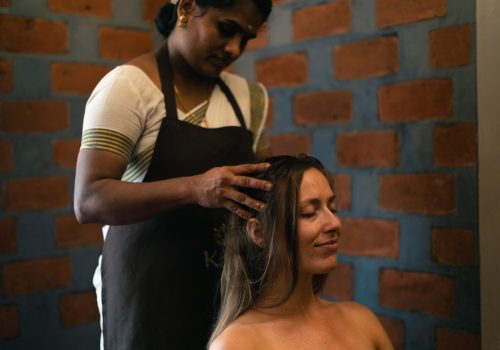
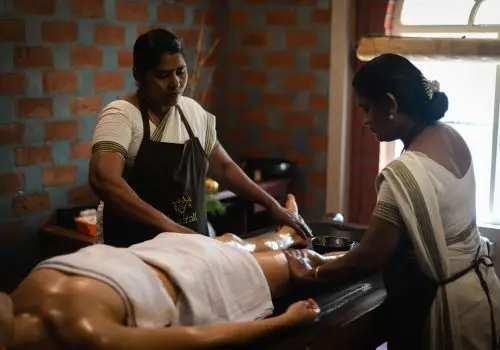
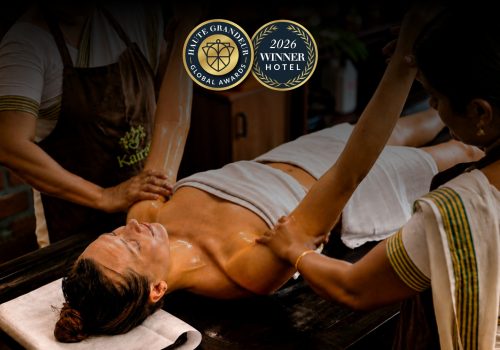
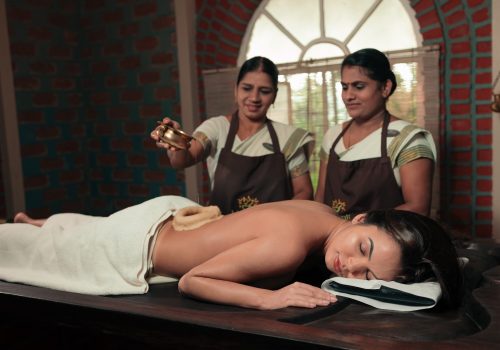
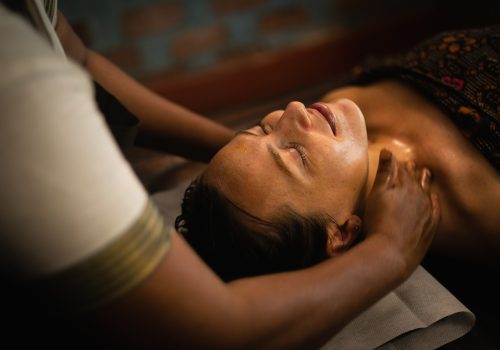
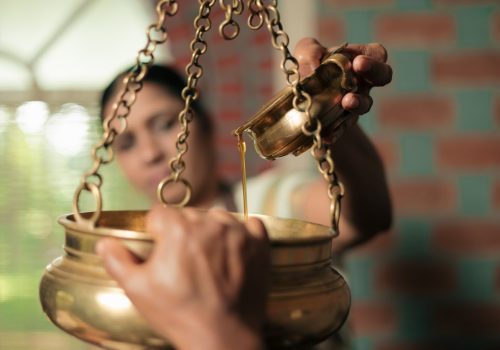
The Ranchi Lifestyle writer subsequently experienced oil-based therapies, steam and later Śirodhāra, in which a continuous stream of liquid is applied over the forehead under professional supervision.
The original feature described these experiences enthusiastically. A more useful way to understand them, however, is as parts of an individual programme rather than as a standard treatment menu.
The daily rhythm beyond the treatment room
The article gave almost as much attention to food, yoga and daily timing as it did to therapies.
Dinner was served earlier than the writer was accustomed to. Mornings began with yoga and meditation. Meals were prepared within the broader dietary structure of the stay.
These details may appear ordinary, but they point towards an important Ayurvedic principle: health practices are not confined to isolated interventions.
Ayurveda gives considerable attention to dinacaryā (daily routine), including patterns of waking, eating, movement, rest and sleep.
A residential stay makes those patterns more visible because ordinary schedules are temporarily interrupted. Instead of fitting food, movement and rest around work and travel, the day itself is organised around them.
For many guests, that shift in routine may be one of the most noticeable aspects of staying at an Ayurvedic centre.
Food as part of the programme
The writer also spent considerable time describing the meals.
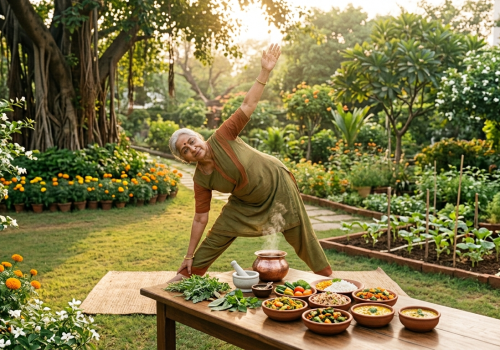
The account mentions South Indian preparations, coconut-based cooking, soups, vegetables, fresh juice and infused drinking water.
Rather than treating this simply as “healthy food,” Ayurveda considers food within a broader individual context. What is appropriate can depend on digestion, appetite, constitution, season and the wider programme recommended by the physician.
This is another reason residential Ayurveda differs from a conventional spa experience.
Food is not necessarily an amenity surrounding the therapies. It can form part of the overall daily structure.
Yoga, meditation and quieter periods
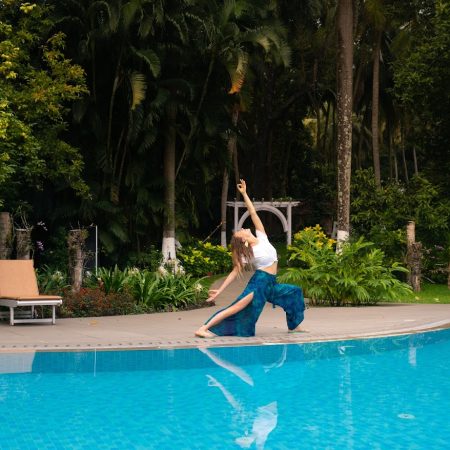
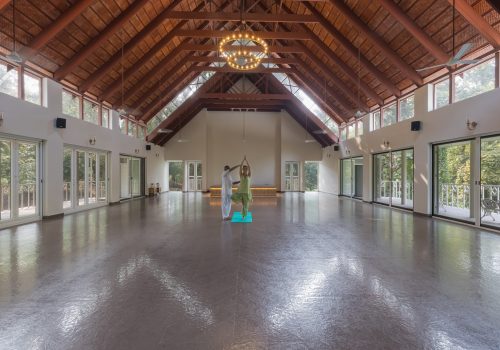
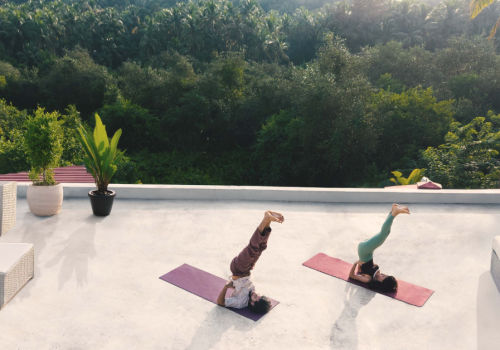
The feature describes morning yoga, meditation and time spent in a dedicated meditation space.
Yoga is often grouped with Ayurveda in contemporary wellness settings, but the two should not be collapsed into a single practice.
Within an Ayurvedic residential environment, movement, breathing practices and periods of quiet may be incorporated as supportive elements depending on the individual and the programme.
Their role is not to promise a particular medical outcome. They can instead help establish a more deliberate rhythm to the day and create time away from the constant stimulation that characterises many urban routines.
The writer’s own account repeatedly returned to this sense of contrast: early mornings instead of rushed ones, scheduled meals instead of irregular eating, and periods of stillness rather than an uninterrupted itinerary.
A conversation about Ayurveda in India
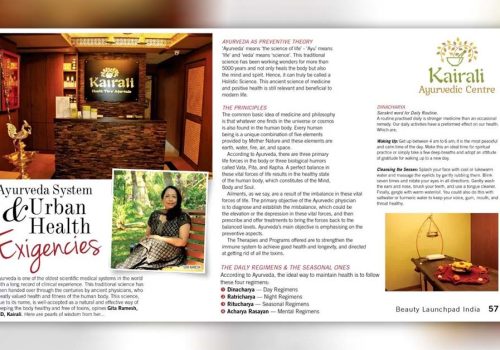
During the visit, the writer also met Abhilash K. Ramesh, Executive Director of Kairali Ayurvedic Group.
The article records a conversation about attitudes towards Ayurveda in India and abroad.
Its broader question remains relevant: why do some people encounter Ayurveda only after seeing it embraced elsewhere?
That discussion has become more complicated over time. Ayurveda now appears in wellness resorts, spas, social media, supplements and international health conversations, often in forms that are quite different from physician-led Ayurvedic practice.
The distinction matters.
Experiencing an oil massage or attending a yoga session does not, by itself, amount to receiving Ayurvedic clinical care. The consultation, individual assessment and reasoning behind the recommendation are what give the therapy its context.
The environment was part of the story
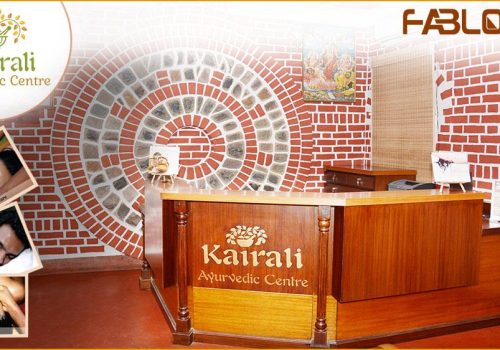
The physical setting of Kairali also played a large role in the original article.
The writer repeatedly mentioned greenery, architecture and the relative quiet of the property. Even the room names and landscape became part of the account.
It would be easy to treat these details as hospitality features alone.
But in a residential Ayurvedic setting, environment can serve a practical purpose: it can make it easier to follow a regulated routine, reduce some of the demands of ordinary life and give greater attention to meals, rest and treatment schedules.
That does not make the surroundings a therapy in themselves. It does, however, explain why the setting can shape the overall experience.
What remained after the stay
Perhaps the most interesting part of the Ranchi Lifestyle account appears at the end.
After several days of therapies, meals, yoga and consultation, the writer did not describe leaving with a single dramatic revelation.
Instead, the lasting impressions were everyday ones: lifestyle guidance from physicians and the kitchen team, changes in meal timing, greater awareness of daily routine and an Ayurvedic cookbook to take home.
That is a more useful way to think about a short Ayurvedic stay.
The value does not necessarily lie in trying to recreate the retreat once someone returns home. It may lie in understanding which parts of daily life deserve more attention: when we eat, how regularly we sleep, how much movement we get, and how often we allow enough time to notice what our bodies are telling us.
The original Ranchi Lifestyle feature was written as a traveller’s account of Kairali – The Ayurvedic Healing Village.
The treatments were memorable. The surroundings were memorable. But what the writer carried home was a different way of looking at the ordinary structure of the day.