















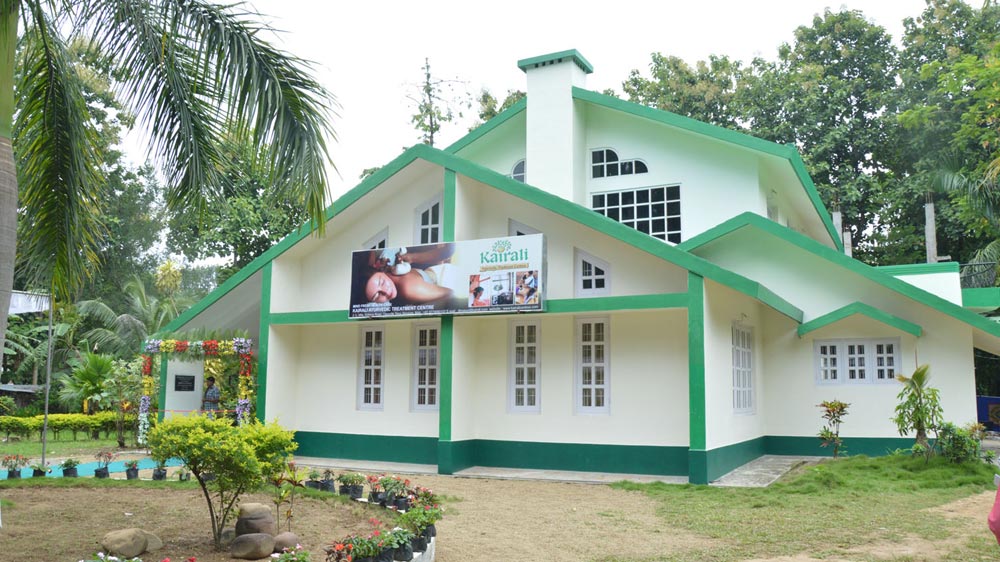

In August 2015, Kairali expanded its network of Ayurvedic centres with the opening of a new facility in Dimapur, Nagaland.
The Kairali Ayurvedic Centre in Dimapur was inaugurated on 3 August 2015 by P. Longon, then Health and Family Welfare Minister of Nagaland, marking the introduction of a dedicated Kairali Ayurveda facility in the city.
According to the original announcement, the centre was designed as a compact Ayurvedic treatment facility combining physician consultation, traditional therapies and access to Kairali Ayurvedic products.
Bringing Ayurvedic Care to Dimapur
The Dimapur centre was established with the aim of making physician-guided Ayurvedic care more accessible to residents of Nagaland and the surrounding region.
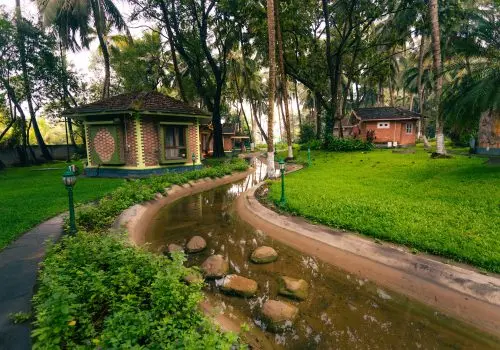
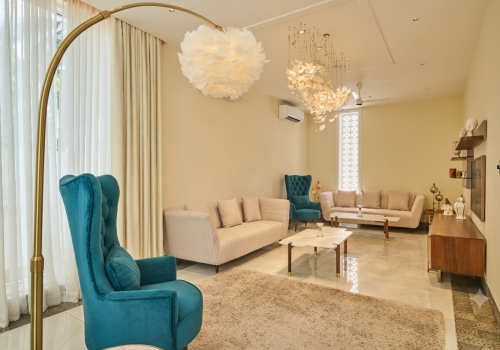
The original facility was described as occupying approximately 2,000 square feet, with four treatment rooms and landscaping that included herbs and shrubs around the premises.
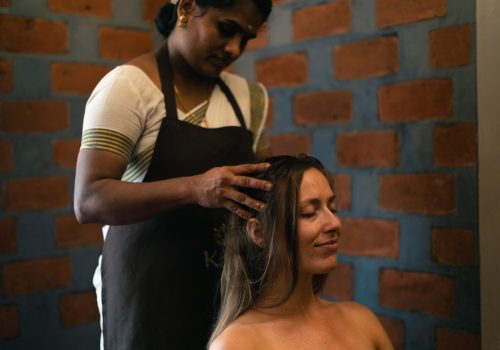
Rather than functioning solely as a wellness spa, the centre was intended to follow Kairali’s broader treatment-centre model, with an Ayurvedic physician involved in consultation and trained therapists delivering therapies as advised.
This physician-led structure is important in Ayurveda because therapies are not necessarily selected in the same way for every person.
Ayurvedic care traditionally considers an individual’s constitution, current health pattern, daily routine, digestion, sleep and other factors before deciding which therapies may be appropriate.
Physician Consultation at the Centre
The original Dimapur centre included an Ayurvedic doctor alongside therapists trained in Kerala.
Consultation is a central part of responsible Ayurvedic care.
A visitor may arrive asking for a familiar treatment such as Abhyanga, but an Ayurvedic physician may first consider whether that therapy is appropriate in the context of the person’s health, constitution and present condition.
This distinction becomes particularly important when Ayurveda is delivered outside Kerala, where many people may first encounter it through massage or spa-style treatments.
Ayurveda is broader than a treatment menu.
Its traditional clinical framework begins with assessment.
Traditional Ayurvedic Therapies
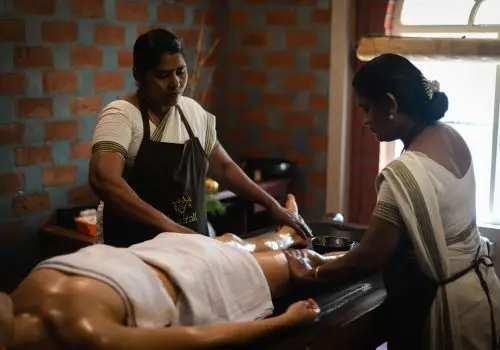
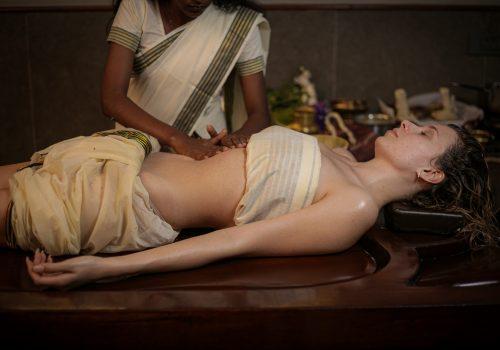
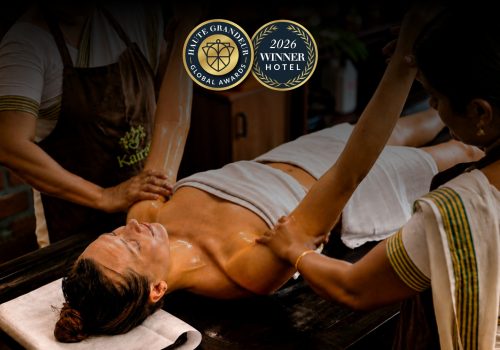
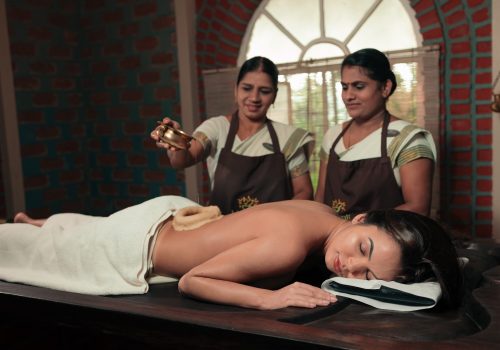
The Dimapur centre was established to offer a range of personalised Ayurvedic therapies.
The exact therapy selected would depend on individual assessment rather than a standard protocol for every visitor.
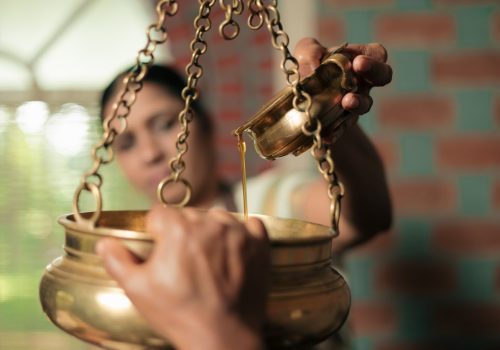
Traditional Ayurvedic centres may use oil applications, localised therapies and other physician-recommended procedures according to the individual presentation.
More intensive interventions, including components of Panchakarma where offered, require proper practitioner assessment and supervision.
This is especially important because a therapy that is appropriate for one person may not necessarily be suitable for another.
Trained Therapists and Kerala Ayurveda
The announcement also highlighted the presence of therapists trained in Kerala.
Kerala has developed a particularly strong institutional tradition around Ayurvedic treatment delivery, including oil-based therapies and supervised Panchakarma practice.
For a centre operating in another part of India, maintaining trained personnel helps preserve consistency in how therapies are prepared and administered.
But technical skill alone is not enough.
Ayurvedic treatment is most credible when therapist expertise is combined with physician oversight and individual assessment.
Access to Ayurvedic Products
The Dimapur facility also included an in-house retail section offering Kairali Ayurvedic products.
Kairali Ayurvedic Products Pvt. Ltd. is the pharmaceutical manufacturing division of Kairali Ayurvedic Group and operates under WHO-GMP-certified manufacturing standards.
Ayurvedic products should nevertheless not be treated as interchangeable consumer remedies for every health concern.
Herbal formulations can differ significantly in composition and intended traditional use. People taking prescription medicines, managing chronic conditions, or considering herbs for a specific medical concern should seek appropriate professional advice rather than self-prescribing based solely on a product name.
Ayurveda Beyond Kerala
The opening of the Dimapur centre also reflected a wider shift in how Ayurveda was becoming available across India.
For many years, people interested in residential Ayurvedic care travelled to Kerala because of the state’s established treatment infrastructure.
Treatment centres outside Kerala created another model: bringing consultation and selected Ayurvedic therapies closer to where people live.
That does not make every local centre equivalent to a residential Ayurvedic hospital or Panchakarma facility.
The setting, level of physician supervision and range of therapies can differ considerably.
But local centres can provide an accessible introduction to Ayurveda when they retain the clinical principle that consultation comes before treatment.
Why Personalisation Matters
One of the central ideas behind Kairali’s treatment-centre model is personalisation.
Ayurveda traditionally describes individual constitution through Prakṛti and the present pattern of imbalance through Vikṛti.
These concepts mean that treatment is not based solely on the name of a symptom.
Two people may report the same concern while presenting very different Ayurvedic patterns.
A physician may therefore examine factors such as:
- appetite and digestion
- sleep
- daily routine
- energy
- physical constitution
- current symptoms
- stress and lifestyle
- relevant medical history
Only then can a traditional Ayurvedic plan be considered.
Personalisation, in this sense, is not about adding luxury or choice.
It is part of the clinical logic of the system.
A Local Centre With a Wider Ayurvedic Context
The opening of Kairali’s Dimapur centre in 2015 represented one attempt to make that model of Ayurveda available in Nagaland.
The centre combined physician consultation, trained therapists, traditional Ayurvedic therapies and access to Kairali formulations within a single facility.
Its value was not simply that it added another location to a network.
The more meaningful question was whether Ayurvedic care could be delivered locally while retaining the principles of assessment, individualisation and practitioner supervision that distinguish clinical Ayurveda from a generic wellness treatment.
That remains an important question wherever Ayurveda expands.
Accessibility matters.
But so does how the care is delivered.