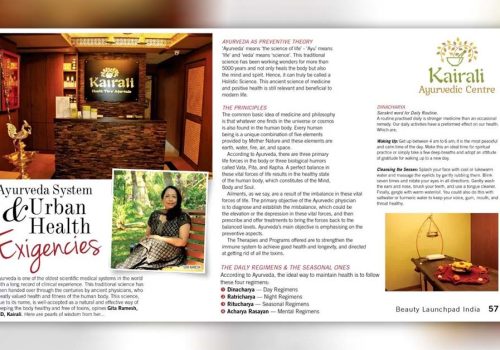
























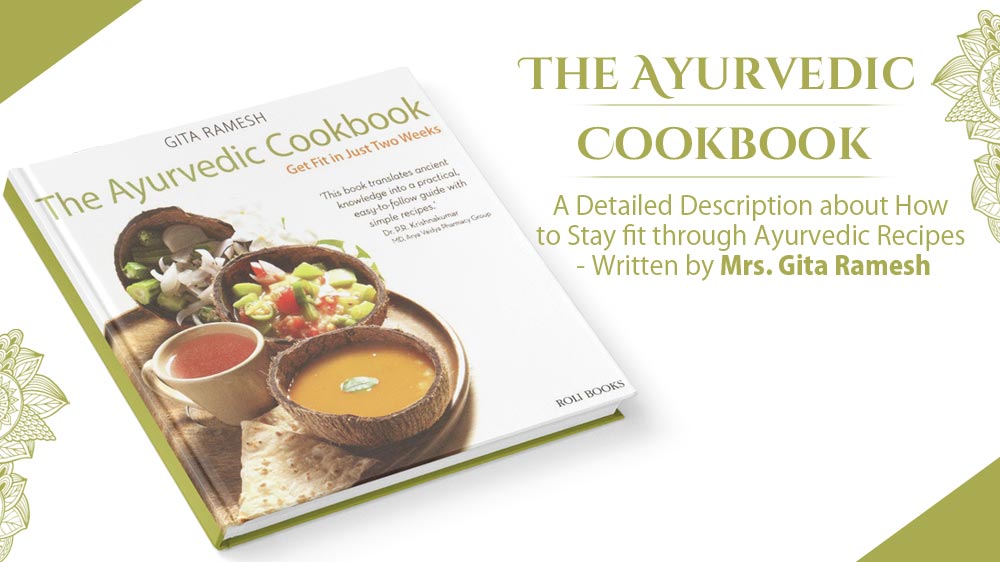

In 2014, Diabetic Living magazine featured The Ayurvedic Cookbook: Get Fit in Just Two Weeks by Gita Ramesh, co-founder and Joint Managing Director of Kairali Ayurvedic Group.
Published by Roli Books, the 96-page cookbook brought together vegetarian recipes, Ayurvedic food principles and practical guidance intended to make everyday cooking easier to understand through the lens of Ayurveda.
The magazine feature appeared in its July–August 2014 issue and highlighted the book’s emphasis on simple, freshly prepared food, digestion and the relationship between diet and individual constitution.
More than a decade later, the ideas behind the book remain useful for understanding one of Ayurveda’s most practical principles: food is not treated simply as fuel, but as part of a person’s wider daily routine.
An Ayurvedic cookbook built around individual constitution
A central idea in The Ayurvedic Cookbook is that Ayurveda does not prescribe one universal diet for everyone.
Ayurvedic thought describes the body through three functional principles, or doṣas: Vāta, associated primarily with air and ether; Pitta, associated with fire; and Kapha, associated with earth and water.
Different combinations of these principles are traditionally used to understand an individual’s constitution and changing state of balance.
The recipes in Gita Ramesh’s cookbook were organised with these distinctions in mind, offering preparations suited to different dietary needs rather than presenting healthy eating as a single fixed formula.
The original Diabetic Living feature noted that the book aimed to balance nutritional value with the traditional Ayurvedic understanding of ingredients, while still keeping flavour and everyday practicality in view.
Making Ayurvedic cooking approachable
One of the more useful aspects of the book is its emphasis on accessibility.
Ayurvedic cooking can sometimes appear complicated to newcomers, particularly when it is presented through unfamiliar terminology or elaborate rules. Gita Ramesh’s approach was deliberately more practical.
As she explained in the feature:
“Anybody with absolutely no cooking skills can also follow these simple and quick recipes and eat fresh hot food.”
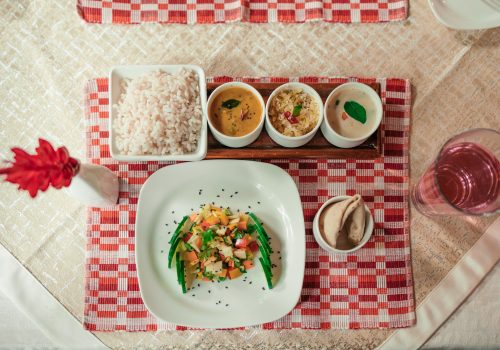
The book focuses on vegetarian meals prepared from familiar ingredients and encourages readers to think more carefully about freshness, digestibility and how food is prepared.
That approach reflects a broader principle within Ayurvedic food culture: the qualities of a meal depend not only on the ingredients themselves but also on preparation, combination, season and the needs of the person eating it.
Looking differently at the everyday Indian kitchen
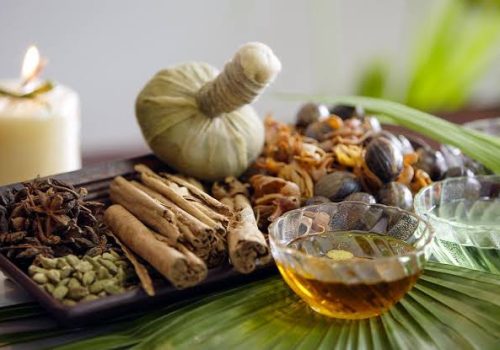
The cookbook also examines the traditional uses associated with common fruits, vegetables, herbs and spices.
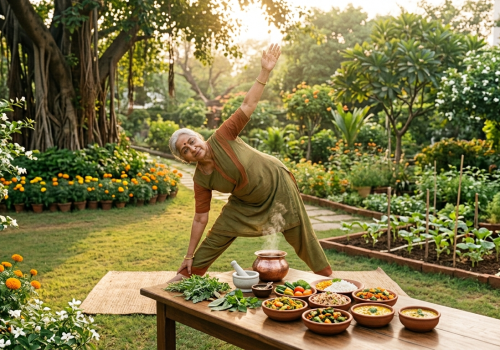
For Gita Ramesh, this knowledge was closely connected with the Indian household kitchen.
“Indian kitchen acts as a medicine cabinet, with many homemade remedies. I would like to impart this knowledge, which I acquired over years, through this book further.”
The statement reflects the context in which many Ayurvedic food traditions developed. Ingredients such as spices, grains, pulses and vegetables have historically been selected not only for taste but also according to season, digestion and traditional understandings of their properties.
That does not mean everyday foods should be regarded as substitutes for medical treatment. Rather, Ayurveda places considerable emphasis on diet as one part of daily health practice alongside sleep, movement, routine and, where required, practitioner-supervised care.
Beyond recipes
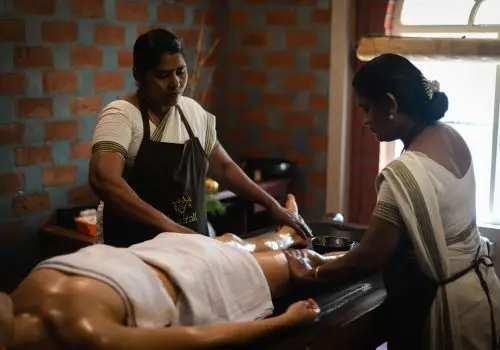
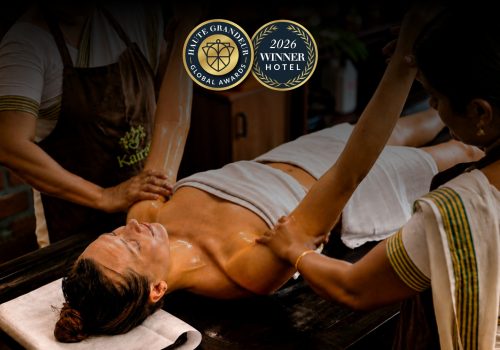
The Ayurvedic Cookbook also introduces readers to several practices associated with Ayurveda, including Udvartana, a traditional powder massage, and Navarakizhi, a therapy involving medicated rice preparations.
These practices belong within a wider Ayurvedic therapeutic context and are normally selected according to an individual’s needs by a qualified practitioner. They are therefore quite different from the recipes readers can prepare independently at home.
The book also includes a two-week dietary chart intended as a practical reference for readers exploring its approach to food.
While the title uses the phrase Get Fit in Just Two Weeks, it is important not to interpret this as a guaranteed health or weight outcome. Individual responses to dietary changes vary considerably, and Ayurvedic dietary recommendations are traditionally individualised.
Food as part of a larger system
What makes the book interesting today is not simply its collection of recipes.
It illustrates how Ayurveda approaches food as part of a larger system of daily living.
A meal can be considered in terms of its ingredients, but also its preparation, digestibility, timing and suitability for the individual. This is a more nuanced idea than dividing foods neatly into “healthy” and “unhealthy” categories.
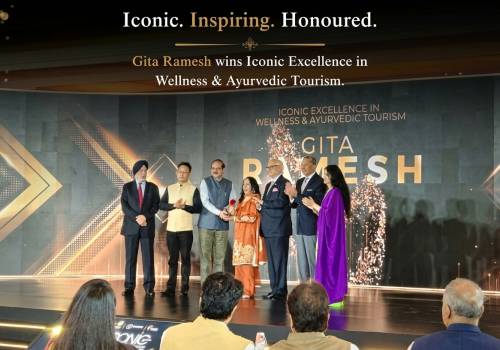
It is also an approach closely associated with Gita Ramesh’s work. A co-founder of Kairali Ayurvedic Group, she is known for her work on Ayurvedic food and traditional culinary knowledge and comes from a family with an Ayurvedic background in Palakkad, Kerala. Kairali Ayurvedic Group itself was founded in 1989 and draws on four generations of Ayurvedic practice in the founders’ family.
The 2014 Diabetic Living feature brought that philosophy to a broader readership through an accessible format: the everyday cookbook.
And that may be the book’s most enduring proposition. Ayurveda does not begin only in a treatment room. For many people, its most familiar principles can begin with something far more ordinary: deciding what to cook for the next meal.