




























Ayurveda views sexual wellbeing as part of overall health, not as an isolated concern
Sexual health is often discussed only when something goes wrong. Problems such as reduced desire, erection difficulties, premature ejaculation or concerns about fertility can cause distress, yet conversations around them remain limited.
Ayurveda takes a broader view.
Rather than focusing on sexual function alone, it considers sexual wellbeing as closely connected to physical health, emotional balance, sleep, digestion, nutrition and daily routine. This perspective does not replace modern medical assessment, particularly when symptoms are persistent, but it offers a wider framework for understanding the factors that influence intimate health.
Sexual health is about more than performance
The World Health Organization describes sexual health as a state of physical, emotional, mental and social well-being related to sexuality.
Ayurveda arrives at a similar conclusion from a different tradition.
Healthy relationships, emotional stability, balanced routines and good physical health are seen as interconnected. Sexual wellbeing is therefore not viewed simply as the absence of a medical condition.
When everyday health declines, sexual wellbeing is often affected as well.
The role of lifestyle
Many of the factors that influence sexual health are also those that affect overall wellbeing.
These include:
- Poor sleep
- Chronic stress
- Sedentary habits
- Excessive alcohol consumption
- Tobacco use
- An unbalanced diet
- Persistent anxiety
Modern medicine recognises that these factors can influence sexual function. Ayurveda also places considerable emphasis on daily routine (dinacharya), appropriate nutrition, movement and mental balance as foundations for health.
For this reason, lifestyle changes often form part of an Ayurvedic physician’s recommendations alongside any other treatment plan.
When stress becomes part of the problem
Stress affects far more than mood.
Long periods of psychological stress may influence sleep, appetite, energy levels and relationships. They may also affect sexual wellbeing.
Ayurveda places importance on practices that support mental calm and regularity, including appropriate daily routine, yoga, breathing practices and adequate rest.
These approaches are intended to support overall wellbeing rather than act as stand-alone treatments for sexual disorders.
A personalised approach
One of Ayurveda’s distinguishing features is individualisation.
Rather than assuming that every person with similar symptoms requires the same advice, an Ayurvedic physician considers factors such as constitution (prakriti), digestion, sleep, emotional wellbeing, lifestyle and medical history before making recommendations.
The emphasis is on understanding the individual rather than treating a symptom in isolation.
What about erectile dysfunction and premature ejaculation?
Erectile dysfunction and premature ejaculation are common concerns.
Both can have multiple contributing factors, including cardiovascular disease, diabetes, hormonal changes, neurological conditions, medication use, psychological stress and relationship issues.
Because these conditions may indicate an underlying medical problem, persistent symptoms should always be assessed by an appropriately qualified healthcare professional.
Ayurveda may be used as part of an integrative approach where appropriate, but it should not be presented as a substitute for medical diagnosis or as a guaranteed treatment.
Fertility is influenced by many factors
Difficulty conceiving can affect both men and women.
Age, reproductive health, hormonal conditions, lifestyle, medical history and environmental factors may all contribute.
Ayurveda traditionally places importance on preparing the body through appropriate diet, daily routine and overall health before conception. However, fertility concerns require proper medical evaluation, and couples should seek professional advice if pregnancy has not occurred after an appropriate period of regular unprotected intercourse.
How Kairali approaches sexual wellbeing
At Kairali, The Ayurvedic Healing Village, concerns related to sexual wellbeing are approached through comprehensive physician consultation rather than symptom-based treatment.
The assessment considers overall health, digestion, sleep, stress, lifestyle and medical history before recommending an individualised programme where appropriate.
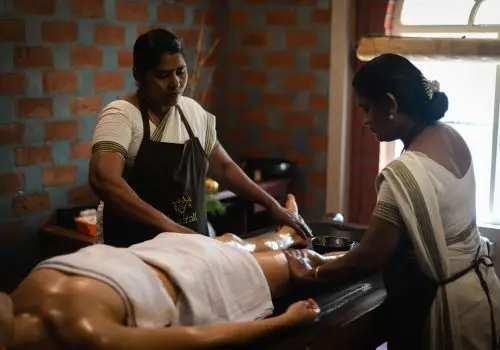
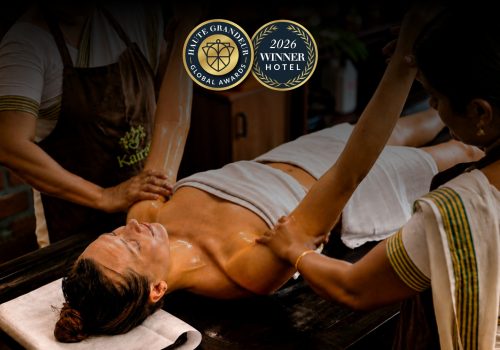
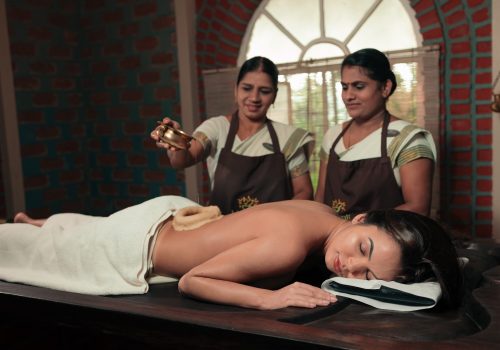
Depending on the physician’s assessment, this may include dietary guidance, lifestyle advice, yoga, relaxation practices and other Ayurvedic therapies selected for the individual’s overall health.
The focus is not on promising quick results. It is on understanding the wider factors that may be influencing wellbeing.
The bigger picture
Sexual health is rarely determined by one factor alone.
It reflects the combined influence of physical health, emotional wellbeing, relationships, daily habits and underlying medical conditions.
Ayurveda encourages attention to these wider foundations while recognising the importance of modern medical diagnosis when symptoms persist.
Rather than searching for a single solution, the more sustainable approach is to view sexual wellbeing as one expression of overall health.