


























Boost your immunity” became one of the most repeated phrases of the COVID-19 pandemic. Herbs, supplements, foods and home remedies were frequently presented as ways to protect the body from infection.
The problem is that immunity does not work like a switch that can simply be turned up.
A more useful question is this: what helps the body maintain the conditions required for normal immune function and general resilience?
Ayurveda has something meaningful to contribute to that discussion. But it should be understood as part of broader health maintenance, not as a substitute for vaccination, medical treatment or established measures for preventing infectious disease.
Immunity Is More Than a Single Remedy
The immune system is a complex network of cells, tissues and biological processes. Nutrition, sleep, physical activity, stress, age, existing health conditions and other factors can all influence how well the body responds to physiological challenges.
This is one reason the language of a single “immunity-boosting” ingredient can be misleading.
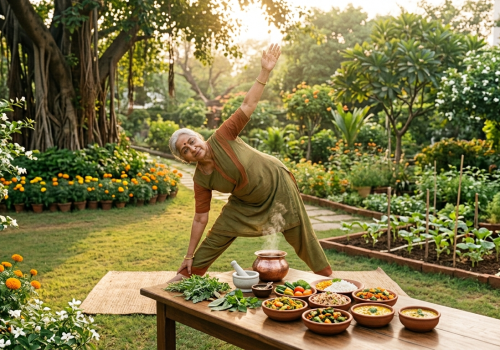
Ayurveda traditionally approaches health in a similarly broad way. Rather than reducing wellbeing to one herb or preparation, Ayurvedic practice considers food, digestion, sleep, daily routine, physical activity, mental state, season and individual constitution together.
In this context, the Ayurvedic idea of Ojas, commonly described as a quality associated with vitality and resilience, is better understood as part of a wider traditional framework than as a direct equivalent of the modern immune system.
What Ayurveda Can Contribute to Everyday Immune Health
Some of Ayurveda’s most useful principles for contemporary life are also among its least dramatic.
Regular meals, sufficient rest, appropriate movement and attention to digestion are fundamental parts of Ayurvedic daily routine. They do not promise protection from a particular virus. They are ways of maintaining general health.
Prioritise consistent sleep
Sleep is treated in Ayurveda as one of the important foundations of health.
Modern medicine also recognises the relationship between adequate sleep and healthy physiological function. Rather than looking for a quick “immune booster”, establishing a consistent sleep schedule may be a more practical place to begin.
Eat for nourishment, not for trends
Ayurvedic dietary guidance traditionally considers appetite, digestive capacity, season and individual needs.
That is very different from prescribing one supposedly protective ingredient to everybody.
A balanced diet that provides adequate nutrition remains important for normal immune function. Ayurvedic food traditions can form part of that approach, particularly when meals are selected according to individual tolerance rather than internet trends.
Make movement part of the routine
Physical activity does not need to be extreme to be valuable.
Yoga, walking and other appropriate forms of regular movement can support general physical and mental wellbeing. Practices should be adapted to a person’s health, mobility and experience rather than treated as universal prescriptions.
Pay attention to persistent stress
Ayurveda has long considered mental state, sleep, appetite and physical health interconnected.
Practices such as yoga, breathing exercises and meditation may be useful components of stress management for some people. Their role is supportive. They should not be presented as treatments for infectious disease or replacements for conventional healthcare.
What About Tulsi, Giloy, Turmeric and Other Ayurvedic Herbs?
This is where careful language matters most.
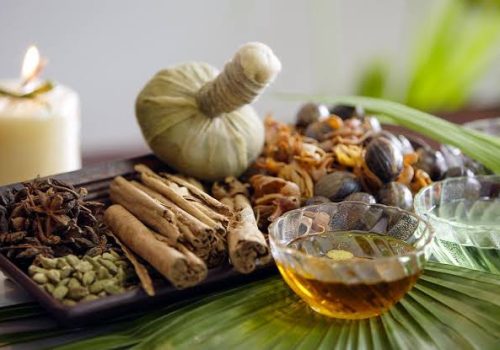
Plants such as Tulsi, Guduchi (Giloy) and turmeric have long histories of use within Ayurvedic practice. Their traditional use, however, does not establish that they prevent COVID-19 or other viral infections.
Research into herbal products varies considerably in quality and depth. For many supplements marketed around “immune support”, strong clinical evidence remains limited.
There is also no reason to assume that an herbal preparation is appropriate for every person simply because it is traditional or plant-derived. Herbal products can have side effects, vary in quality and interact with medications.
For that reason, Ayurveda is best practised as an individualised system rather than as a list of remedies taken independently.
Anyone considering Ayurvedic herbal preparations, particularly while taking prescription medication or managing an existing health condition, should discuss them with an appropriately qualified healthcare professional.
Ayurveda Should Not Be Positioned as a Substitute for Infection Prevention
One lesson from the pandemic deserves to remain clear.
General health support and infectious-disease prevention are not the same thing.
Ayurvedic routines may form part of someone’s approach to sleep, nutrition, stress management and general wellbeing. They should not be described as preventing, curing or neutralising COVID-19.
COVID-19 vaccination remains an important public-health measure, particularly for people at greater risk of severe disease. Established measures such as good hygiene, cleaner indoor air and taking precautions when experiencing respiratory symptoms also remain relevant.
Ayurveda does not become less valuable when these boundaries are acknowledged. In fact, it becomes easier to understand what the system can reasonably contribute.
A Better Way to Think About “Strong Immunity”
Perhaps the language itself needs updating.
Instead of asking for the strongest herb, the fastest remedy or the best “immunity booster”, it may be more useful to look at the conditions that support health consistently: adequate sleep, nutritious food, regular activity, stress management, appropriate medical care and sustainable daily habits.
Ayurveda has spent centuries examining many of these relationships.
Its contemporary value does not depend on claiming that a traditional herb can defeat a modern virus. It lies in offering a structured way to think about daily living, individual variation and the routines that support health over time.
That is a less dramatic promise.
It is also a more responsible one.
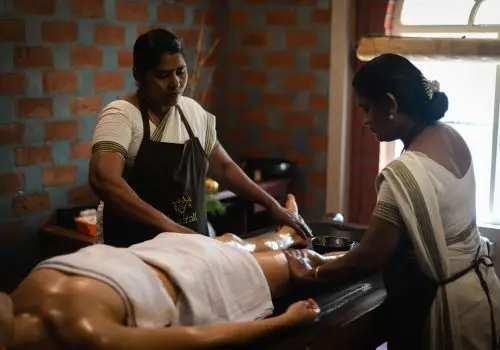
At Kairali Ayurvedic Centre, this broader approach to health is reflected in practitioner-led care that considers daily routine, diet, stress, sleep and individual constitution together. Rather than presenting Ayurveda as a substitute for conventional medicine or as a quick solution for immunity, Kairali’s approach is centred on structured Ayurvedic consultation, appropriate therapies and sustainable lifestyle guidance. Readers interested in Ayurvedic support for general wellbeing should consult a qualified practitioner, particularly if they have an existing health condition or are taking medication.