











Kerala is often called “God’s Own Country,” but it is also one of India’s best-known destinations for Ayurveda. The state’s tropical climate, abundant medicinal plants, and long history of traditional healing have helped shape its reputation as a centre for Ayurvedic wellness.
For many visitors, a journey through Kerala offers more than sightseeing. It provides an opportunity to experience the region’s culture, natural beauty, and centuries-old wellness traditions.
A Land Shaped by Culture and Nature
Kerala’s landscape is defined by coconut groves, rivers, backwaters, and the Western Ghats. These natural features have influenced the state’s way of life for generations.
The region is also known for its classical art forms. One of the most celebrated is Kathakali, a traditional dance drama that combines expressive facial movements, hand gestures, elaborate costumes, and live music to tell stories from Indian epics.
Watching a Kathakali performance offers visitors a deeper appreciation of Kerala’s cultural heritage and artistic traditions.
The Calm of Kerala’s Backwaters
The backwaters are among Kerala’s most recognised attractions. Houseboats, canoes, and kayaks travel through a network of lakes, canals, and rivers surrounded by coconut palms and village life.
A slower pace allows visitors to observe local traditions, from fishing and farming to coconut harvesting. These experiences create a strong connection with Kerala’s natural environment and rural communities.
For many travellers, the peaceful surroundings become an important part of the overall wellness experience.
Why Kerala Is Closely Linked with Ayurveda
Kerala has played an important role in preserving and practising Ayurveda for centuries. Traditional knowledge has been passed from one generation of physicians to the next, making the state one of India’s leading centres for Ayurvedic education and wellness.
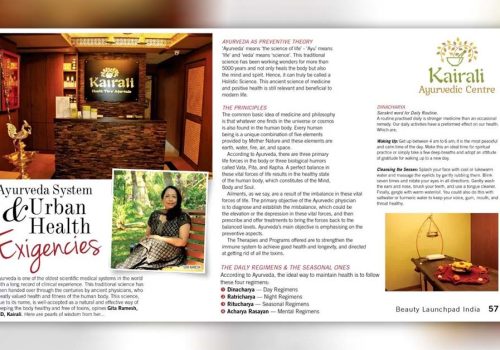
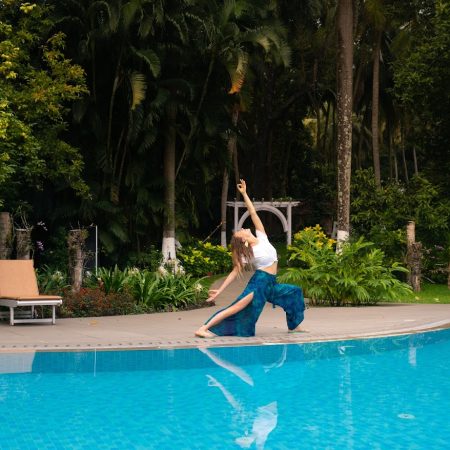
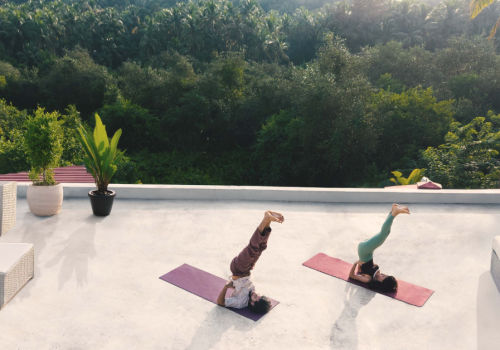
Many residential Ayurvedic centres in Kerala combine physician consultations, personalised therapies, dietary guidance, yoga, and daily routines based on classical Ayurvedic principles.
These programmes are designed around individual health goals rather than a one-size-fits-all approach. Treatments and recommendations are provided only after an assessment by a qualified Ayurvedic physician.
An Ayurvedic Experience at Kairali
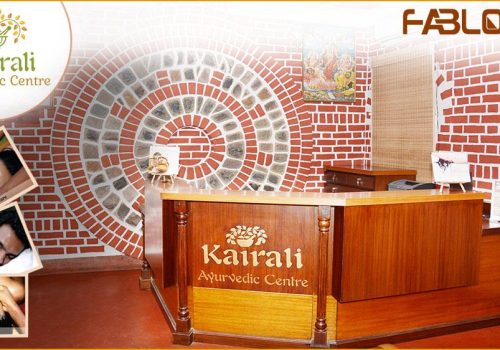
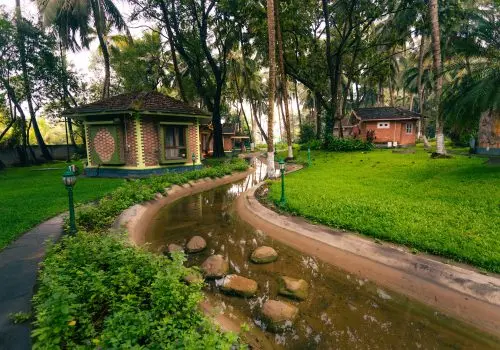
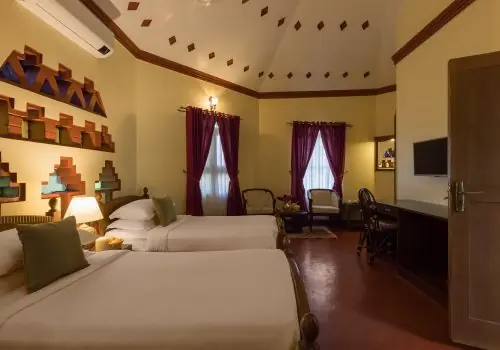
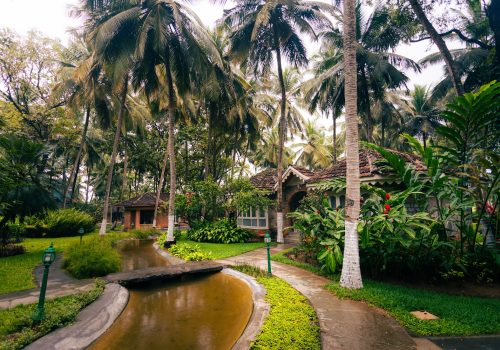
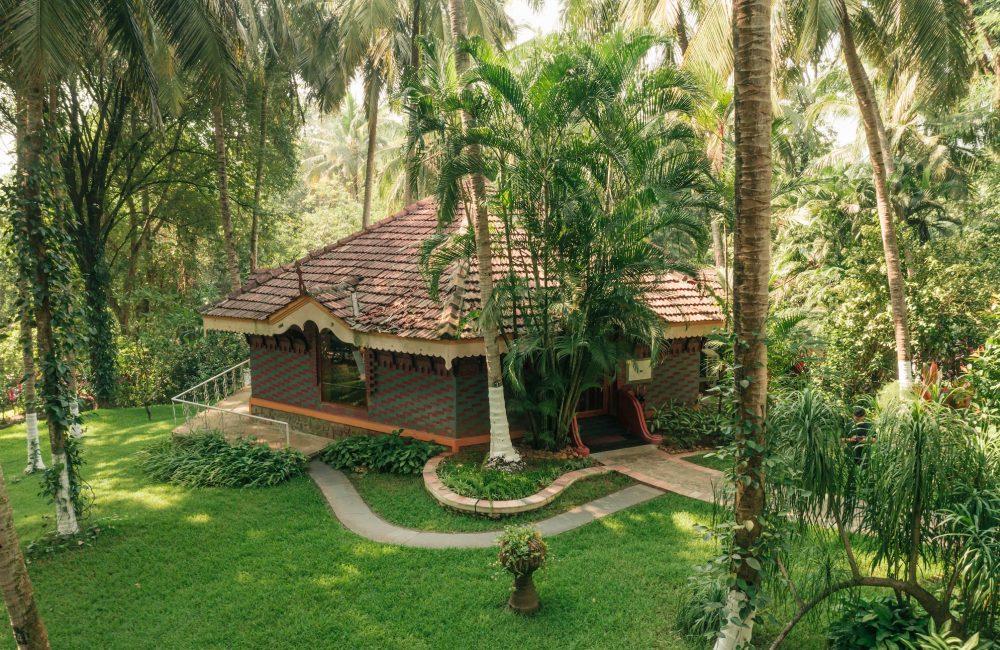
During his visit, Australian travel writer Dave Cauldwell stayed at Kairali – The Ayurvedic Healing Village in Palakkad.
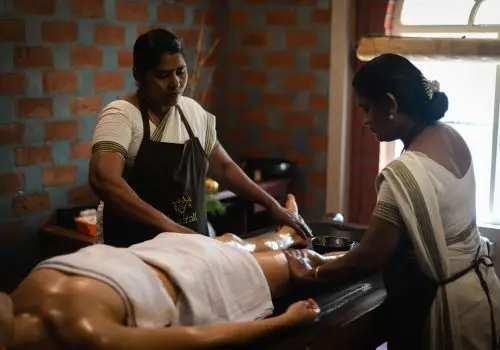
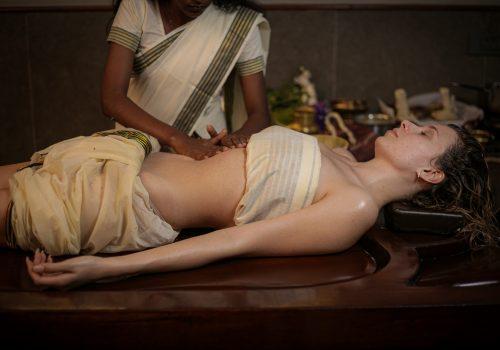
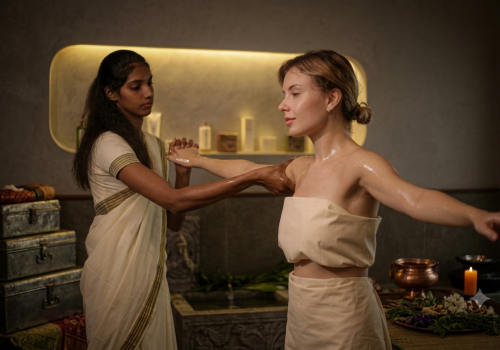
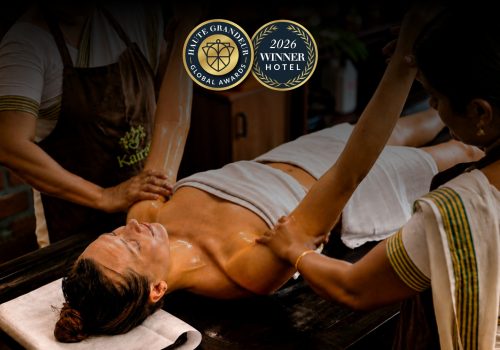
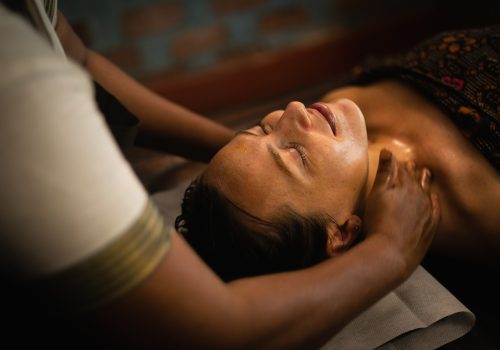
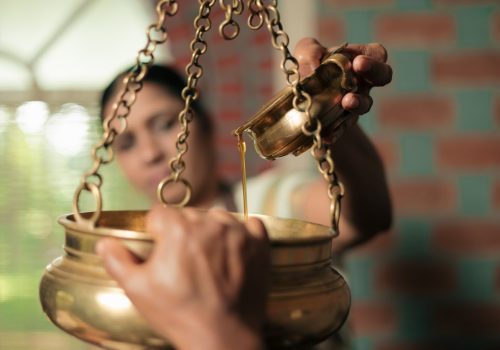
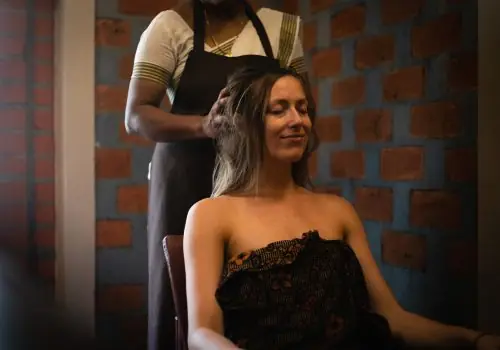
As part of his wellness programme, he experienced traditional Ayurvedic therapies under professional supervision. In his account, he described treatments that included herbal massage techniques and Shirodhara, a therapy in which a steady stream of warm herbal oil is gently poured over the forehead.
Individual experiences with Ayurvedic therapies can vary. At centres such as Kairali, treatments are selected after a physician’s consultation and form part of a personalised wellness programme.
More Than a Holiday
A visit to Kerala offers much more than scenic landscapes. It brings together nature, culture, and Ayurveda in a way that few destinations can.
Whether exploring the backwaters, watching a Kathakali performance, or taking part in a physician-guided wellness programme, visitors gain a deeper understanding of the traditions that continue to shape Kerala today.
For many, the journey is not only about discovering a destination. It is also about experiencing a slower pace of life and learning why Kerala remains closely connected with the practice of Ayurveda.