





























From morning routines and mindful eating to yoga and better sleep, discover how traditional Ayurvedic self-care practices can become part of everyday life.
Self-care does not always require a complicated routine or expensive wellness treatments. Sometimes, small changes to how we eat, sleep and spend our time can make everyday life feel more manageable.
Ayurveda places considerable importance on these daily habits. Its approach to wellbeing considers food, physical activity, rest and individual constitution as interconnected parts of a person’s lifestyle.
Known as Dinacharya (daily routine), this traditional approach encourages regular habits suited to an individual’s needs and circumstances.
Many Ayurvedic self-care practices can be adapted for modern life. The key is to choose realistic activities, practise them consistently and understand their limitations.
Here are five ways to incorporate Ayurvedic principles into your daily routine.
1. Dinacharya: Establish a Consistent Daily Routine
In Ayurveda, Dinacharya refers to daily activities intended to support balance and regularity.
Traditional Ayurvedic guidance places particular emphasis on the morning routine, including waking, personal hygiene and preparing for the day.
Although Ayurveda often recommends rising early, there is no need to sacrifice adequate sleep to follow a particular waking time.
A consistent schedule that allows sufficient rest is more important than getting up before sunrise.
Traditional Morning Practices
Oil Pulling
Oil pulling is a traditional oral practice that involves swishing edible oil, commonly sesame or coconut oil, around the mouth.
It has long been associated with Ayurvedic oral hygiene. However, scientific evidence supporting its dental benefits remains limited.
Oil pulling should not replace brushing with fluoride toothpaste, flossing or regular dental care.
Abhyanga (Ayurvedic Oil Massage)
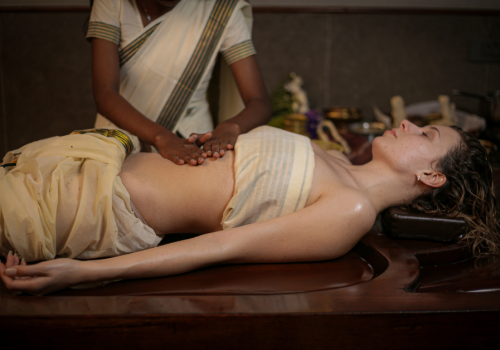
Abhyanga involves applying oil to the body through gentle massage.
Within Ayurveda, this practice is traditionally associated with nourishment, relaxation and skin care.
A simple self-massage may provide a pleasant opportunity to relax before bathing. Choose an oil suitable for your skin and avoid applying it to irritated or damaged areas.
A Calm Start to the Day
Before checking emails or beginning work, consider spending a few minutes stretching, walking or sitting quietly.
A manageable morning routine can help create a sense of consistency without adding unnecessary pressure to the day.
2. Nourish Your Body with a Sattvic Diet
Food plays an important role in Ayurvedic lifestyle guidance.
The concept of a Sattvic diet comes from the traditional classification of foods according to qualities associated with clarity, simplicity and moderation.
Sattvic eating commonly emphasises freshly prepared meals, fruits, vegetables, grains, legumes and suitable dairy products.
It is not a rigid nutritional prescription, and the concept should not be confused with a medically validated diet for treating specific conditions.
Simple Ayurvedic Eating Habits
Choose Seasonal Foods
Including seasonal fruits and vegetables can make meals more varied and encourage the use of locally available ingredients.
A balanced diet should also provide adequate protein, fibre, healthy fats and essential nutrients.
Practise Mindful Eating
Eating without constant distractions can help you pay closer attention to your appetite and the experience of a meal.
Try sitting down for meals, eating at a comfortable pace and allowing enough time to enjoy your food.
Include Herbal Beverages Thoughtfully
Ginger, tulsi and chamomile are commonly used in traditional herbal preparations.
These beverages may be enjoyable additions to a daily routine, but their effects vary by ingredient and individual. Herbal products can also interact with medicines, so they should not automatically be considered harmless.
The broader Ayurvedic principle is to make food choices according to individual needs, digestive comfort and daily activity.
3. Pranayama: Make Time for Conscious Breathing
Pranayama refers to traditional yogic practices involving the conscious regulation of breathing.
Breathing exercises are commonly incorporated into Ayurveda-inspired wellness routines because of their association with relaxation and focused attention.
Some research suggests that relaxation techniques, including controlled breathing, may help with stress management. However, their effectiveness varies, and they are not substitutes for medical care.
Common Breathing Practices
Nadi Shodhana (Alternate Nostril Breathing)
Nadi Shodhana is a traditional breathing exercise involving alternating airflow through the nostrils.
It is often practised as part of meditation or relaxation routines.
Bhramari (Humming Bee Breath)
Bhramari involves producing a gentle humming sound while exhaling.
The practice is traditionally used to encourage calmness and concentration.
Breathing exercises should feel comfortable rather than forced. Beginners may benefit from guidance from a qualified yoga instructor, particularly before attempting breath retention or more intensive techniques.
A short, consistent breathing practice can be easier to maintain than a lengthy routine that becomes another daily obligation.
4. Yoga and Meditation: Support Movement and Mental Wellbeing
Yoga and Ayurveda have distinct historical traditions, but they are frequently practised together in contemporary wellness settings.
Yoga combines physical postures, breathing and focused attention.
Regular practice may help improve flexibility, balance and general physical wellbeing. Research also suggests potential benefits for stress management and sleep quality, although results vary across individuals and studies.
Gentle Yoga for Everyday Practice
You do not need to begin with difficult postures.
A comfortable routine might include gentle stretching, simple seated movements and restorative positions.
The emphasis should be on safe movement rather than achieving a particular level of flexibility.
People with existing injuries, pregnancy-related considerations or medical conditions may need modifications and professional guidance.
Meditation for a More Mindful Routine
Meditation can be incorporated into the beginning or end of the day.
Some people prefer sitting quietly and observing their breathing. Others find guided meditation more accessible.
The objective is not to eliminate every thought but to practise directing attention without constant distraction.
A few minutes of regular practice may be more practical than trying to maintain an ambitious meditation schedule.
5. Reduce Digital Distractions and Prioritise Sleep
Digital devices are part of everyday life, but constant notifications and late-night screen use can interfere with rest and concentration.
While a digital break is not a classical Ayurvedic treatment, it fits naturally within the broader idea of creating a balanced daily routine.
Ayurveda places considerable importance on sleep, known as Nidra, as a fundamental aspect of health.
Modern sleep research likewise recognises the importance of adequate, consistent sleep.
Practical Ways to Unwind
Spend Time Outdoors
A short walk or a period of outdoor activity can provide a change from prolonged sitting and screen use.
Keep a Journal
Writing about the day’s experiences may help some people organise their thoughts and reflect on recurring concerns.
Create a Bedtime Routine
Try maintaining a consistent sleep schedule, reducing unnecessary screen use before bed and making the sleeping environment comfortable.
Set Boundaries Around Devices
Consider keeping certain activities, such as meals or evening relaxation, free from work-related notifications.
The aim is not to eliminate technology but to create enough space for uninterrupted rest and attention.
How to Build an Ayurvedic Self-Care Routine That Works for You
One of the most useful lessons from Ayurveda is that daily routines should take individual circumstances into account.
A practice that feels comfortable for one person may be unsuitable for another.
Rather than attempting every Ayurvedic ritual at once, begin with a few manageable changes.
For example, a routine could include a consistent waking time, balanced meals, gentle physical activity and a calmer evening schedule.
Traditional Ayurvedic assessments may also consider Prakriti (individual constitution) and Vikriti (the current doshic state). These concepts belong to Ayurvedic theory and should not be treated as substitutes for conventional medical assessment.
For those interested in more specialised practices, guidance from a qualified Ayurvedic practitioner can help determine what is appropriate.
Exploring Ayurvedic Self-Care at Kairali
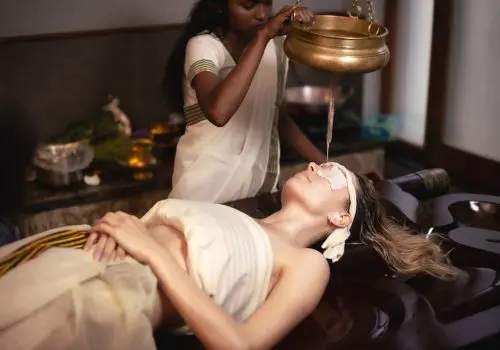
At Kairali, The Ayurvedic Healing Village, in Palakkad, Kerala, Ayurvedic daily routines form part of a broader physician-led approach to traditional care.
The NABH-accredited Ayurvedic hospital incorporates consultations, supervised therapies, dietary guidance and practices such as yoga within its residential programmes.
Its approach reflects the role of individual assessment in Ayurvedic care rather than assuming that every guest requires the same routine.
For visitors interested in understanding traditional practices more closely, a supervised setting can provide an opportunity to learn about Ayurveda and its practical applications.
Learn more about Kairali, The Ayurvedic Healing Village.
Conclusion: Consistency Matters More Than Complexity
Ayurvedic self-care is often presented as a long list of rituals, but its everyday relevance is simpler.
Regular meals, sufficient sleep, comfortable movement, personal hygiene and time for relaxation are habits that can fit into different lifestyles.
Traditional practices such as Abhyanga, Pranayama and meditation may also have a place, depending on individual preferences and suitability.
Not every Ayurvedic practice has been established through modern clinical research. Understanding that distinction allows readers to make more informed choices.
A sustainable self-care routine is one that supports everyday wellbeing without becoming another source of stress.