












Weddings can be joyful, but the weeks before them are often anything but restful.
Late nights, travel, irregular meals, beauty appointments, family commitments, and the pressure to “look your best” can make the pre-wedding period unusually demanding. That is why the idea of a pre-wedding wellness stay has appeal.
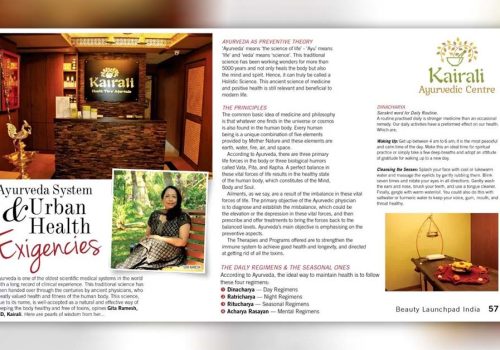
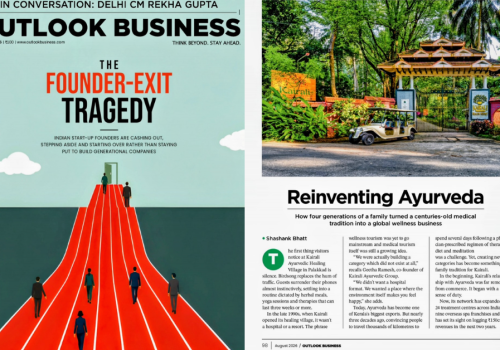
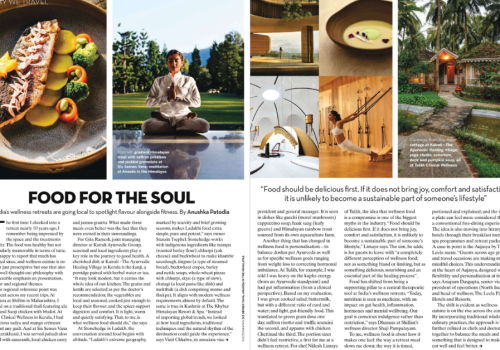
An earlier feature in Merry Weddings looked at Kairali – The Ayurvedic Healing Village in Palakkad through exactly that lens. The article presented the property as a place where a bride or groom could step away from the pace of wedding preparation and spend several days following a more structured routine of Ayurvedic care, food, yoga, meditation, and rest.
Some of the language in the original feature belongs very much to an older wellness era. It promised a “complete makeover,” weight loss, glowing skin, and visible transformation before the wedding day.
A more useful way to read the experience today is simpler.
The value of a pre-wedding Ayurvedic stay is not that it guarantees a different face or body. It is that it creates time to slow down before an event that often leaves very little room for either.
The consultation comes before the “pampering”
One of the strongest parts of the Merry Weddings account is that the treatment programme begins with an Ayurvedic physician.
That matters more than the language of pampering.
At Kairali, The Ayurvedic Healing Village, therapies are physician-led within an NABH-accredited Ayurvedic hospital setting. The doctor assesses the individual before deciding what may be appropriate.
A pre-wedding stay should therefore not begin with a fixed beauty package.
One person may arrive feeling exhausted from travel and irregular sleep. Another may be more concerned about digestion, stress, or maintaining a manageable routine before the wedding. A third may simply want several quiet days away from constant decision-making.
Ayurveda treats those people as individuals.
The point is not to prescribe the same oil therapy, massage, diet, or yoga sequence to everyone preparing for a wedding.
It is to begin with the person, not the occasion.
Why routine may matter more than a makeover
The original article spends a good deal of time describing the daily rhythm at Kairali.
Meals are served at fixed times. Yoga takes place in the morning. Meditation and breathing practices are built into the day. Guests have time to walk, rest, and follow physician-directed therapies.
None of this sounds dramatic.
That is partly why it can be useful.
Wedding preparation often disrupts ordinary routines. Meals are delayed. Sleep gets shorter. Exercise becomes inconsistent. Even people who usually take care of themselves can find that their days become organised around appointments and other people’s schedules.
A residential Ayurvedic setting does the opposite.
It makes the day predictable again.
For someone preparing for a wedding, the benefit may be less about a visible “before and after” and more about recovering a sense of rhythm before entering a particularly busy period.
Food is part of the experience
The Merry Weddings feature also highlights meals as a central part of the stay.
Ayurveda does not treat food as an afterthought to therapy. Meal timing, appetite, digestion, preparation, and individual tolerance can all influence what is recommended.
At a residential property, this becomes easier to follow because meals are prepared within the structure of the programme rather than fitted around a working day.
The original article describes guests learning some of the dishes served during their stay so they could reproduce them at home.
That is a more interesting takeaway than any promise of rapid weight loss.
A few days before a wedding is not the right time for aggressive dieting, extreme restriction, or trying to force the body into a different shape.
A more sensible goal is regular eating, appropriate nourishment, and a routine that does not create additional stress.
Yoga, meditation, and the quieter parts of the day
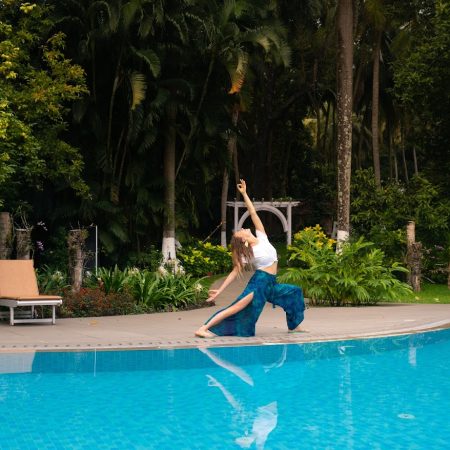
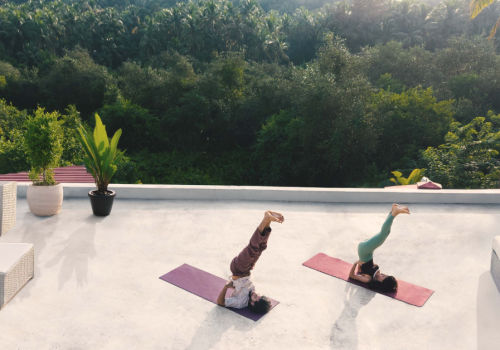
Morning yoga and evening meditation also appear prominently in the original feature.
These practices are sometimes sold as shortcuts to calm.
They are better understood as part of the structure of the day.
Gentle movement can provide a break from long periods of sitting or travel. Breathing practices and meditation can create deliberate periods of quiet when the rest of life feels crowded.
Their role is supportive.
They should not be described as guaranteeing emotional balance, eliminating wedding stress, or producing a particular mental state.
What they can provide is time in which nothing else is being demanded.
That is not a small thing in the weeks before a wedding.
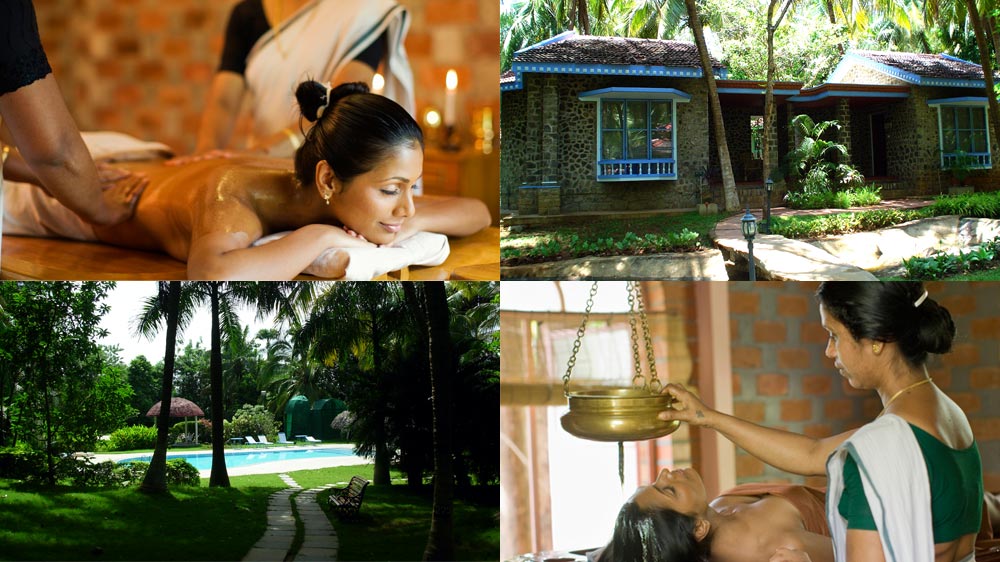
What about Ayurvedic therapies?
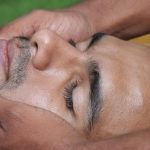
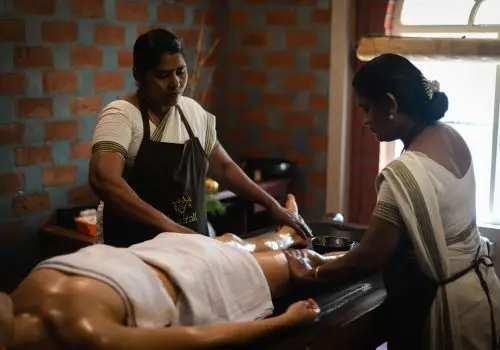
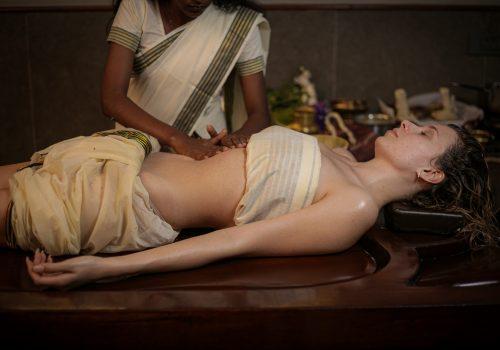
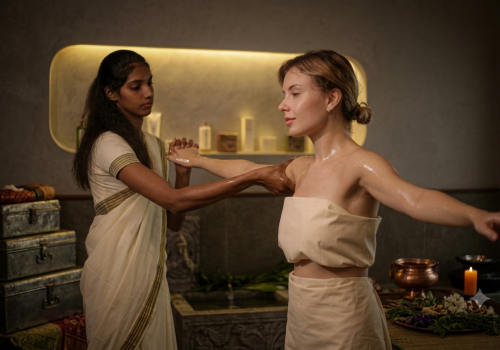
The original article describes a range of Ayurvedic treatments and presents them mainly through the language of relaxation and appearance.
For a WhyAyurveda reader, the more important point is that Ayurvedic therapies have context.
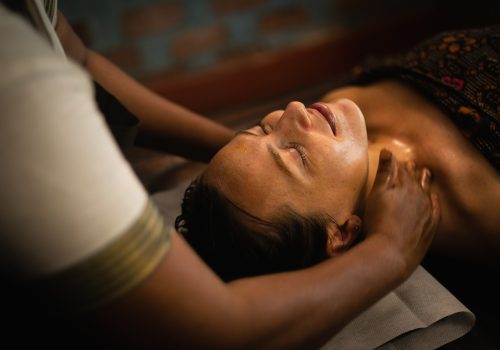
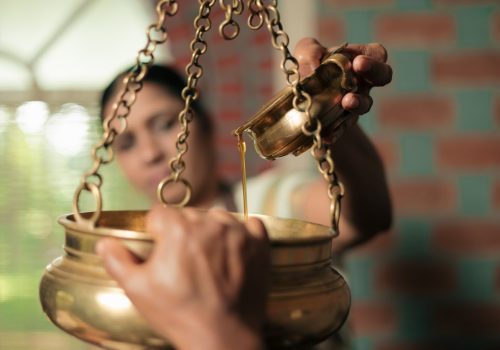
An Abhyanga oil application, herbal fomentation, or another procedure is not automatically appropriate because someone wants to feel refreshed before a wedding.
The physician decides what is suitable.
That decision may depend on the person’s health, constitution, digestion, strength, medications, and the length of the stay.
This is also why treatment claims need restraint.
It would not be responsible to promise that a few massages will guarantee weight loss, produce glowing skin, or create a particular body shape before the wedding day.
The more credible value lies in supervised care and the opportunity to follow a regular routine for several days.
The environment changes the pace
The Merry Weddings writer was clearly struck by the setting in Palakkad.
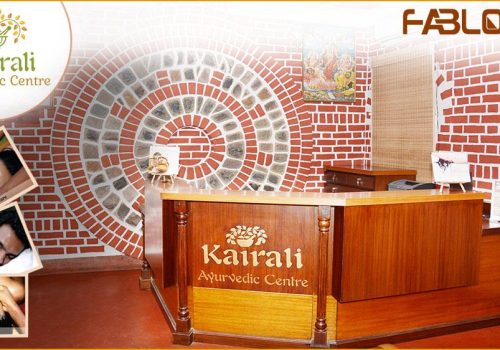
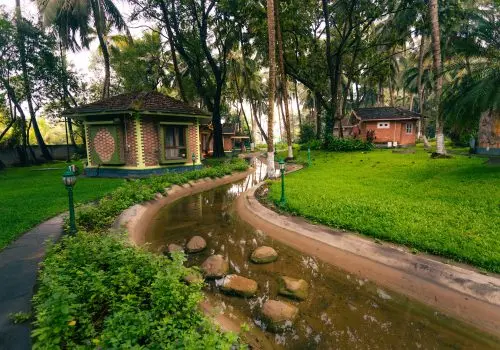
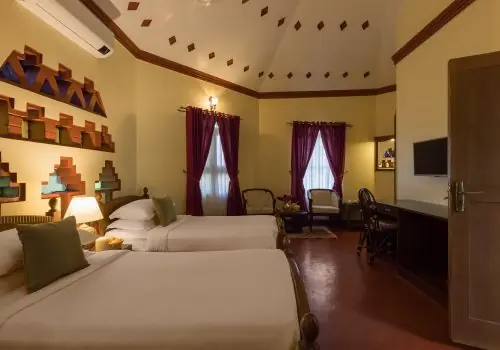
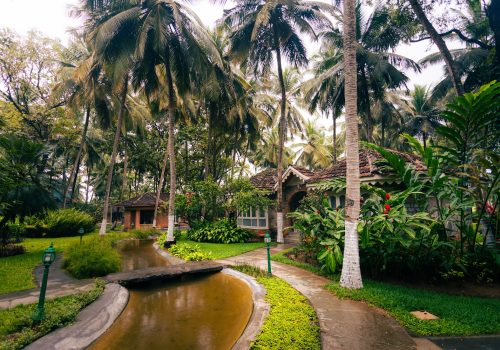
The property’s greenery, walking paths, quiet spaces, and residential layout are described almost as much as the therapies.
Environment is not medicine by itself.
But it can change behaviour.
When a guest is removed from traffic, appointments, work calls, shopping lists, and social obligations, it becomes easier to follow simple routines: eat on time, sleep more regularly, walk, attend consultation, and rest between scheduled activities.
This is where the idea of a pre-wedding retreat becomes more meaningful.
The goal is not to disappear for a few days and return “transformed.”
It is to create enough distance from the wedding machinery to notice what the body and mind need before the event begins.
Pre-wedding wellness without the pressure
There is already enormous pressure around weddings, particularly around appearance.
Brides and grooms are routinely encouraged to lose weight, fix their skin, change their diet, begin complicated beauty regimes, and somehow remain relaxed while doing all of it.
Ayurveda does not need to add another layer of pressure.
A pre-wedding Ayurvedic stay can be useful precisely when it moves in the other direction.
Instead of promising a smaller waist, younger face, or flawless complexion, it can focus on regular meals, adequate rest, individual assessment, appropriate therapies, gentle movement, and a quieter daily rhythm.
Those are less dramatic promises.
They are also more realistic.
A better way to think about pre-wedding Ayurveda
The strongest idea in the original Merry Weddings feature is not the promised “makeover.”
It is the idea of stepping away before a major life event.
Kairali, The Ayurvedic Healing Village offers a residential setting where physician-led Ayurveda, food, yoga, meditation, and daily routine can be experienced together.
For someone preparing for a wedding, that may create a useful pause.
Not a detox.
Not a crash programme.
Not a guarantee that everyone at the wedding will comment on how different you look.
Simply a period of structured care before several intense days of celebration, travel, socialising, and very little quiet.
That may be the more sensible form of pre-wedding wellness.