









Panchakarma and yoga are often placed under the same broad wellness umbrella. Yet in classical Ayurvedic practice, their relationship is more considered than simply combining a yoga retreat with a series of therapies.
Panchakarma is a structured Ayurvedic process that may involve preparatory therapies, physician-selected procedures, dietary adjustments, rest and a gradual return to normal routine. Yoga can complement this process, but the type and intensity of practice should change according to the individual and the stage of care.
At Kairali – The Ayurvedic Healing Village in Palakkad, Kerala, this distinction is important. Panchakarma is approached within a practitioner-led residential environment, while yoga and related practices can be incorporated according to the guest’s condition, energy levels and treatment plan.
The result is not a standard “Panchakarma and yoga package”. It is a more individualised relationship between two traditional systems.
Why Panchakarma Requires Supervision
Panchakarma is sometimes described simply as an Ayurvedic detox. That description is convenient, but incomplete.
The Sanskrit term Pañcakarma refers to a group of classical therapeutic procedures used within Ayurveda. The exact approach varies considerably between individuals.
A physician may consider a person’s constitution, current imbalance, digestive capacity, strength, age, season and medical history before deciding which therapies are appropriate.
This is one reason Panchakarma should not be reduced to a set of treatments that can be copied from a retreat schedule or administered independently at home.
At a residential Ayurvedic centre, the process can be monitored and adjusted as the individual responds. Rest, food and activity can also be coordinated with the treatment plan.
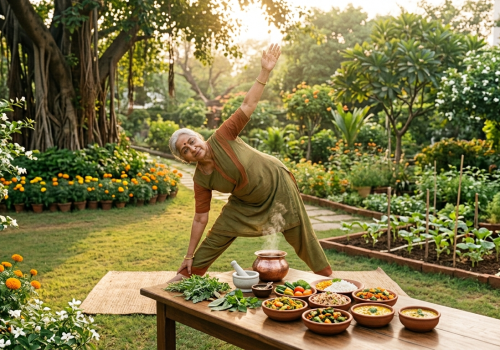
Yoga, when included, needs the same degree of judgement.
Phase One: Preparing the Body
Classical Panchakarma usually begins with Pūrva Karma, or preparatory procedures.
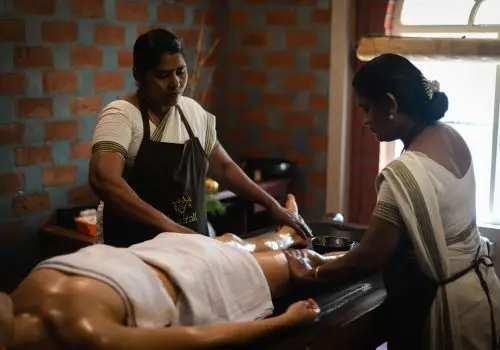
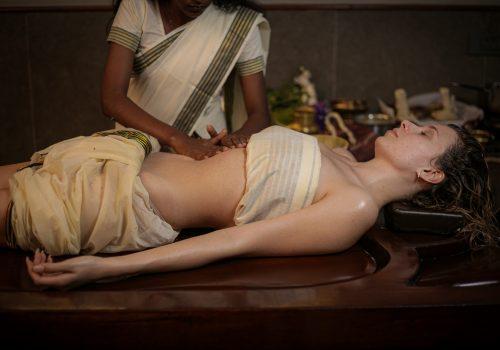
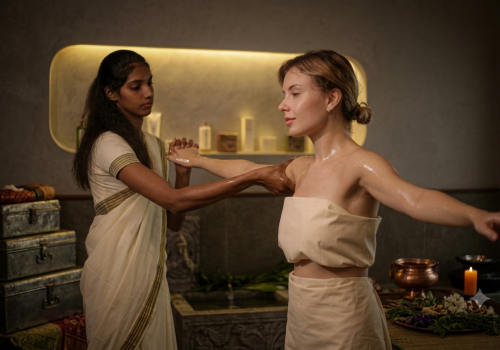
Depending on the individual, this stage may include forms of snehana (oleation) and swedana (therapeutic sudation), together with dietary and lifestyle adjustments prescribed by the Ayurvedic physician.
The purpose of this phase is preparation rather than intensity.
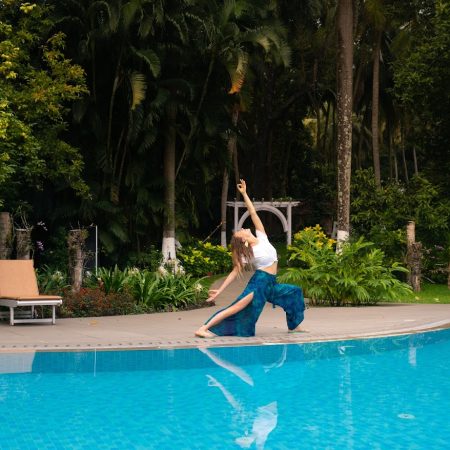
For many people, that also means reducing unnecessary physical exertion. A vigorous yoga class may not be appropriate simply because the person normally practises yoga every day.
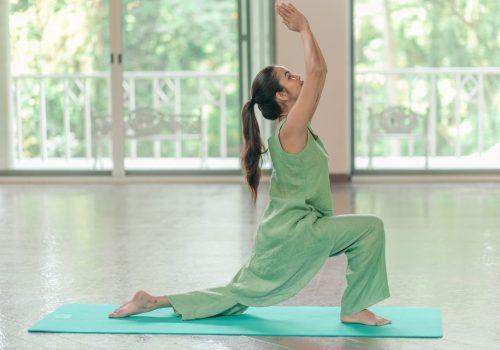
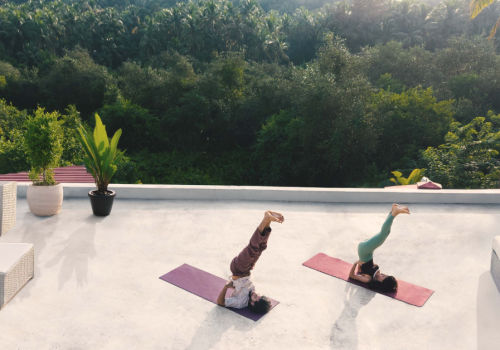
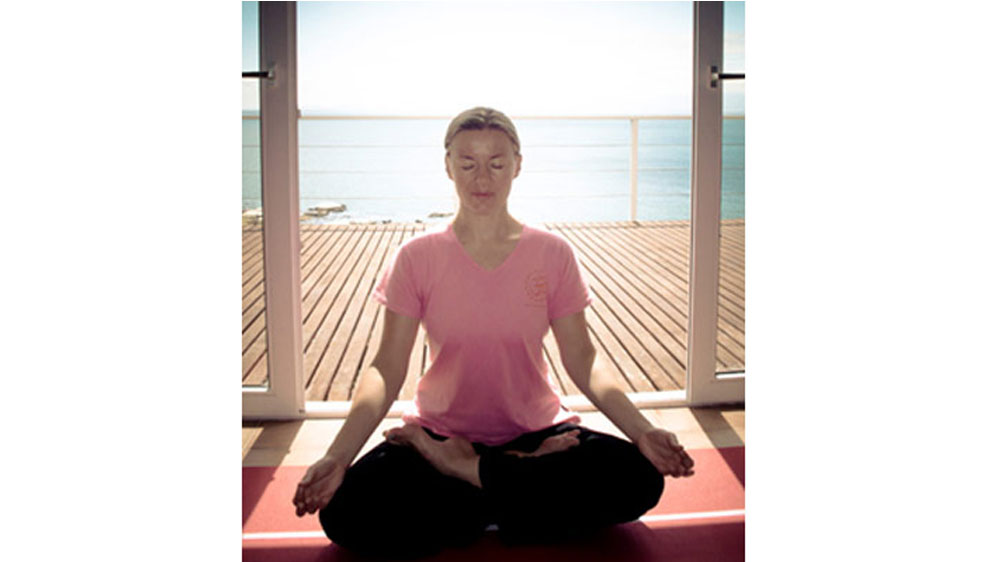
Gentler practices may sometimes be considered. Breathing exercises, relaxation techniques or carefully selected movements can be introduced where the practitioner and physician consider them suitable.
The important principle is that yoga should support the Panchakarma process rather than compete with it.
Phase Two: Panchakarma Procedures
The main therapeutic stage is traditionally known as Pradhāna Karma, meaning the principal procedures.
Which procedures are used depends on the individual. Panchakarma is therefore not one fixed sequence that every guest follows.
This is also the stage where the popular retreat idea of “pushing through” can become counterproductive.
Ayurveda generally places significant emphasis on rest during intensive therapeutic care. Yoga practice during this period should therefore be adapted carefully.
For some people, a gentle session may be appropriate. For others, rest may be preferable.
The decision should depend on the person’s response to treatment rather than on a predetermined yoga timetable.
That makes coordination between the Ayurvedic physician, therapists and yoga instructor especially valuable.
Phase Three: Returning to Routine
The conclusion of Panchakarma is not simply the moment when the final therapy ends.
Ayurveda traditionally gives considerable importance to the period that follows treatment. This phase may involve gradually adjusting food, activity and daily routine.
It is also where yoga can become particularly useful.
Rather than asking what yoga practice produces the strongest immediate effect, the better question is: what kind of practice can this person realistically continue after leaving the retreat?
For one individual, that may involve gentle asana. For another, breathing practices or meditation may be more appropriate. Others may require a more gradual return to physical practice.
The objective is not to prescribe an identical routine to everyone.
It is to help the individual leave with practices that fit their constitution, circumstances and current state of health.
Yoga and the Doshas
Ayurvedic discussions of yoga often refer to Vāta, Pitta and Kapha, the three doshas used within Ayurveda to describe patterns of function and constitution.
These ideas can be useful, but they are frequently oversimplified.
A person is not simply a “Vata person” who requires one yoga sequence or a “Pitta person” who requires another.
Ayurvedic assessment considers both Prakṛti (individual constitution) and Vikṛti (current imbalance), alongside digestion, strength, age, season and other factors.
The same principle applies to yoga.
A qualified practitioner may modify movement, intensity, breathing practices and relaxation techniques according to what is happening with the individual at that particular time.
This is considerably more nuanced than choosing a yoga routine from a dosha chart.
Why the Residential Setting Matters
Panchakarma requires more than treatment rooms.
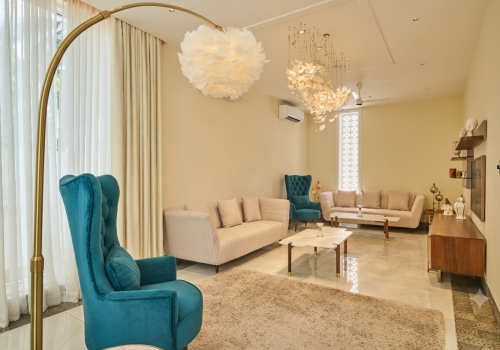
A residential environment allows meals, rest, practitioner consultations, therapies and daily activity to be considered together.
This can be particularly important because the person undergoing Panchakarma is temporarily stepping away from the normal pressures of work, travel and household routines.
Kerala has a long association with Ayurvedic practice and remains an important destination for people seeking residential Ayurvedic care.
However, location alone does not determine the quality of Panchakarma.
Practitioner qualifications, clinical supervision, treatment standards and the ability to individualise the programme matter considerably more than the appearance of the retreat.
Panchakarma and Yoga at Kairali – The Ayurvedic Healing Village
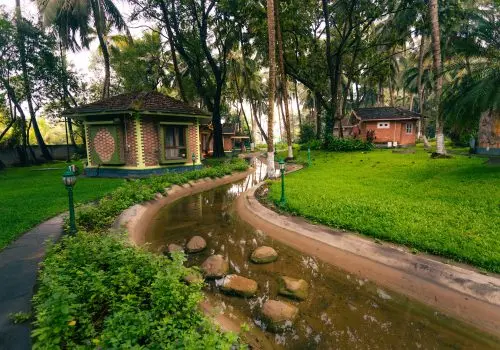
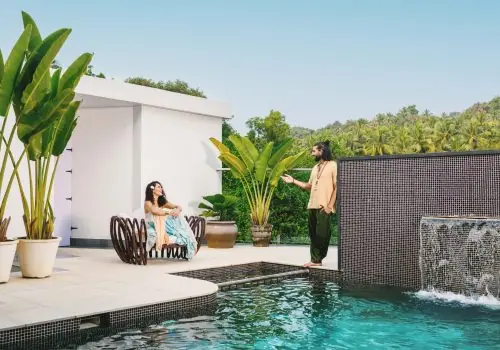
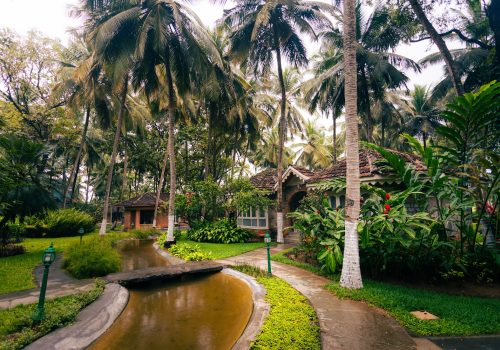
At Kairali – The Ayurvedic Healing Village, Panchakarma is delivered within a residential Ayurvedic setting in Palakkad, Kerala.
The property operates as an NABH-accredited Ayurvedic hospital and holds the Government of Kerala’s Green Leaf Certification.
Ayurvedic physicians assess each individual before recommending an appropriate programme. Therapies, food, daily routine and supportive practices can then be planned around that assessment.
Yoga can form part of this environment where appropriate, but it is not treated as a fixed addition to every treatment schedule.
This distinction matters.
When yoga and Panchakarma are brought together thoughtfully, the objective is not to make the programme busier or more intensive. It is to ensure that movement, rest, breathing practices and Ayurvedic therapies work within the same individualised plan.
A More Considered Kind of Retreat
The strongest Panchakarma experience is not necessarily the one with the longest list of treatments or the most demanding daily schedule.
In many cases, the value of a residential Ayurvedic programme lies in having fewer competing demands: time to rest, appropriate food, practitioner supervision and the opportunity to observe how the body responds.
Yoga can complement that process when it is applied with the same principle of individualisation.
That is where Panchakarma and yoga have their most useful relationship.
Not as two wellness trends combined into one package, but as distinct practices used carefully within a wider approach to health.
Book free doctor consultation at +91-9555156156 or visit www.ktahv.com