















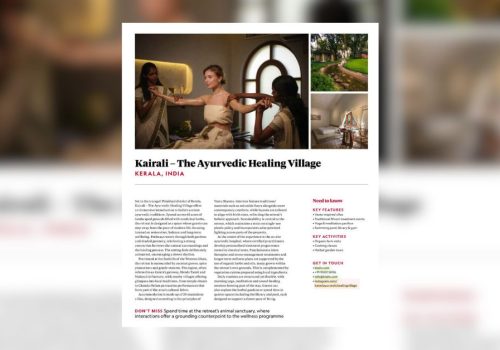


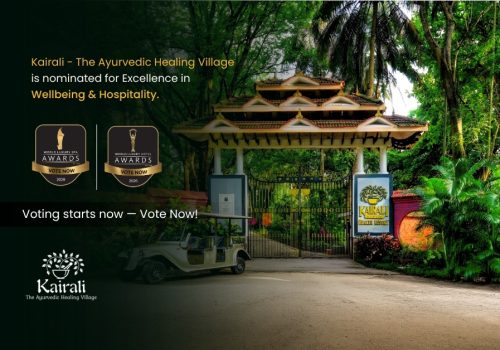




Kerala has long been associated with Ayurveda, attracting travellers interested in traditional healthcare, relaxation, and preventive wellness. Among its established destinations is Kairali, The Ayurvedic Healing Village, an NABH-accredited Ayurvedic hospital-resort in Palakkad.
Set within a green landscape in Kodumbu, Kairali combines physician-guided Ayurvedic programmes with yoga, traditional dietary practices, and a quiet residential environment. Its approach reflects an important principle of Ayurveda: individual needs should guide the choice of therapies and daily routines.
A Family Heritage in Ayurveda
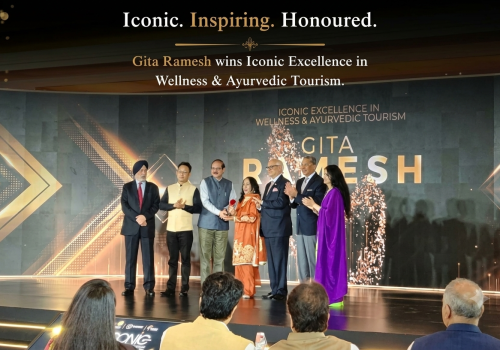
Kairali Ayurvedic Group was founded in 1989 by K.V. Ramesh and Gita Ramesh. The organisation draws on four generations of Ayurvedic practice within the founders’ family.
Over the years, the group has developed its work across Ayurvedic healthcare, traditional formulations, and wellness hospitality.
The Ayurvedic Healing Village in Palakkad is its flagship property, bringing together residential accommodation and supervised Ayurvedic care in one setting.
Personalised Ayurvedic Care
One of the defining features of Kairali is its emphasis on individual consultation.
Rather than following an identical wellness routine for every guest, its Ayurvedic physicians assess individual health concerns, lifestyle habits, and constitution before recommending an appropriate programme.
In Ayurveda, this assessment may involve prakṛti (individual constitution) and doṣa (the functional principles of Vāta, Pitta, and Kapha).
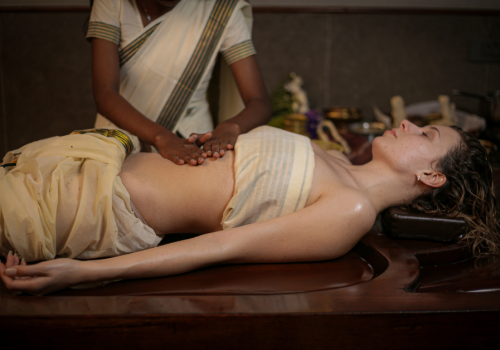
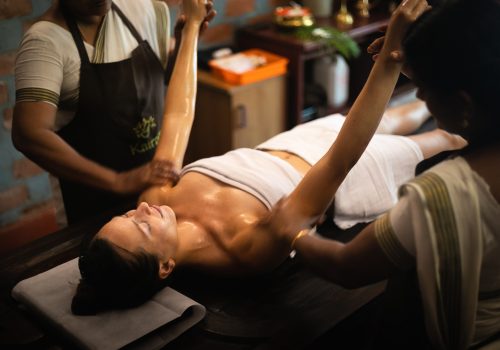
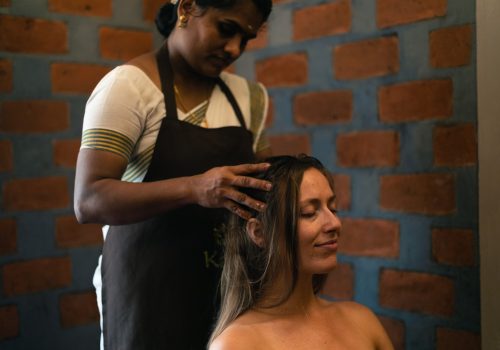
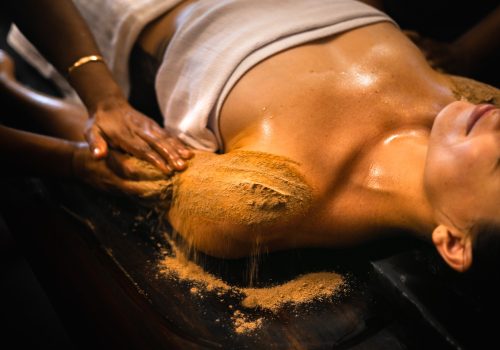
Depending on the physician’s assessment, a programme may include traditional oil therapies, dietary guidance, yoga, rest, and selected Panchakarma procedures.
Panchakarma refers to a group of classical Ayurvedic procedures traditionally used within a structured, supervised therapeutic framework. It requires professional assessment and is not suitable for everyone.
Although these practices have a long history in Ayurveda, modern scientific evidence varies across individual therapies. They should not be presented as substitutes for necessary conventional medical care.
A Peaceful Environment for Rest and Routine
The physical surroundings of Kairali are part of its residential wellness experience.
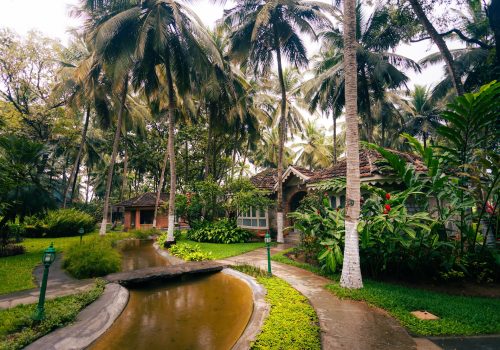
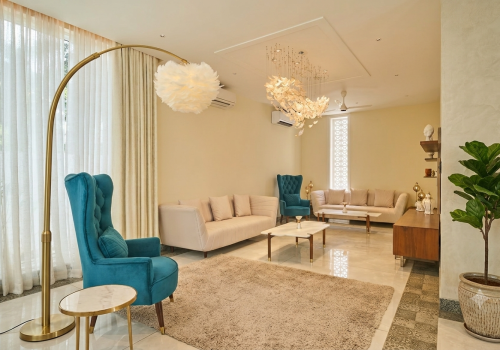
The property features cottages designed with reference to Vastu Shastra, a traditional Indian architectural system. Landscaped gardens and green spaces provide an environment away from the demands of everyday urban life.
Guests can spend time walking through the grounds, resting between scheduled activities, or participating in guided wellness sessions.
The slower daily pace is intended to support a consistent routine, with time allocated for meals, therapies, movement, and rest.
Yoga, Meditation, and Ayurvedic Food
Ayurveda considers daily habits an important part of maintaining health.
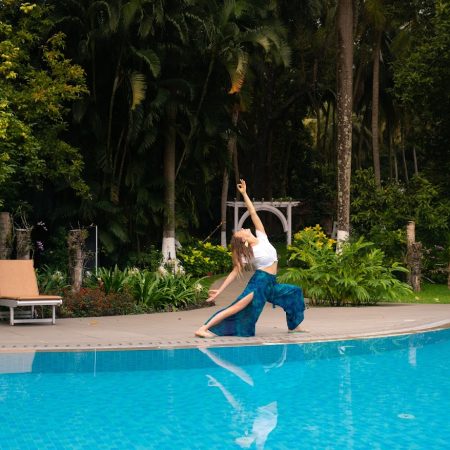
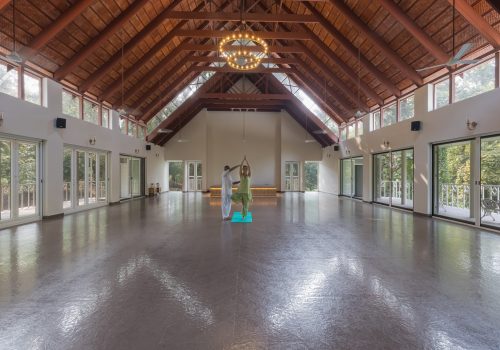
At Kairali, yoga and meditation complement the residential experience. These practices offer opportunities for gentle physical activity, attention to breathing, and relaxation.
Food also plays a central role. Ayurvedic dietary principles consider factors such as digestion, individual constitution, and seasonal conditions when planning meals.
Rather than viewing wellness as a collection of individual treatments, this approach places equal importance on regular eating habits, adequate rest, appropriate movement, and a consistent daily schedule.
Environmental and Cultural Connections
Kairali’s setting also reflects Kerala’s close association with traditional agriculture, regional food, and Ayurvedic practice.
Its green surroundings and traditional architectural influences contribute to the character of the property. The experience introduces international visitors to aspects of Kerala’s cultural and healthcare heritage without separating Ayurveda from the environment in which it developed.
Why Physician-Led Ayurveda Matters
As wellness tourism grows, travellers encounter a wide range of experiences described as Ayurvedic. These may range from relaxation-focused spa services to programmes conducted under medical supervision.
Understanding the difference is important.
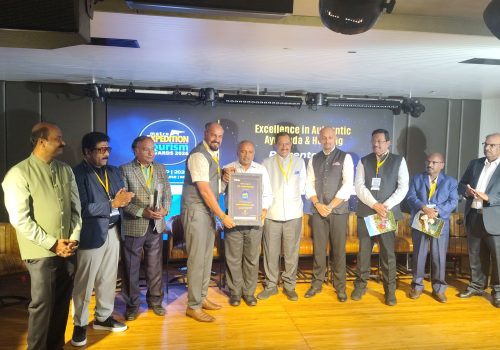
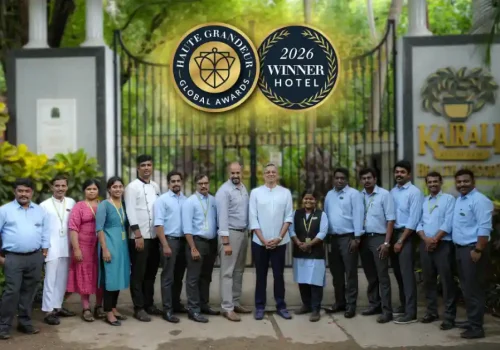
At Kairali, The Ayurvedic Healing Village, the presence of Ayurvedic physicians and its NABH accreditation as an Ayurvedic Panchakarma clinic provide a clearer framework for understanding how care is organised.
The property also holds the Government of Kerala’s Green Leaf Certification for Ayurveda centres.
These credentials help prospective guests evaluate the facility’s standards, although accreditation should not be confused with proof that every Ayurvedic therapy has established clinical effectiveness.
Understanding the Kairali Experience
Kairali represents a model of Ayurvedic wellness tourism in which residential hospitality is organised around traditional healthcare practices.
For travellers considering an Ayurveda-focused stay in Kerala, the important questions extend beyond the setting or accommodation. They include how programmes are designed, who supervises the procedures, what safety considerations apply, and whether the experience is appropriate for their individual circumstances.
These are useful questions when evaluating any Ayurvedic retreat, and they are central to making an informed wellness-travel decision.