



























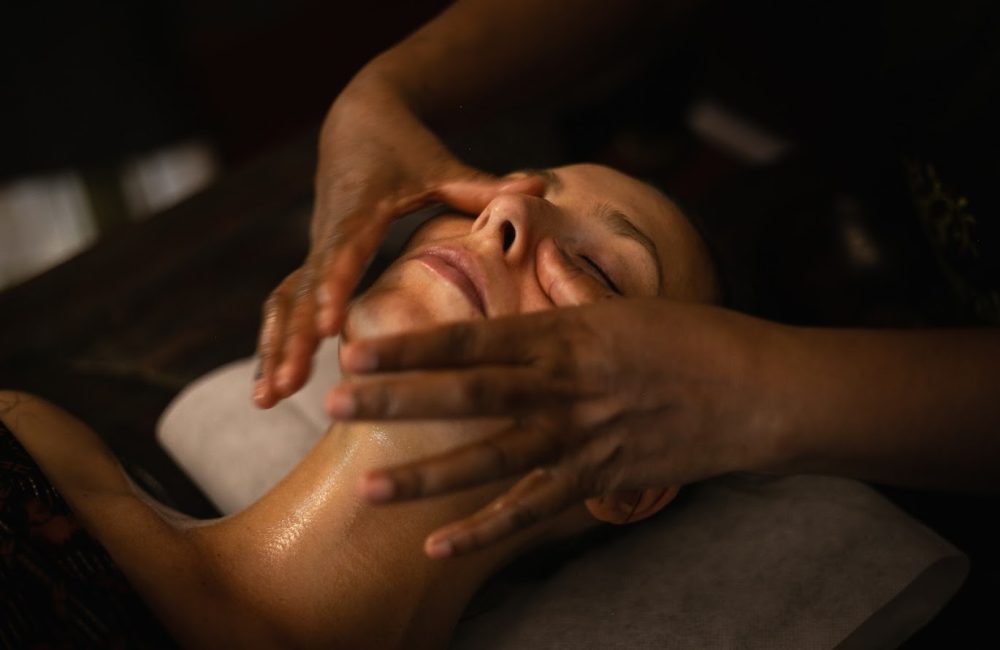

Healthy skin needs regular care, proper hydration, and protection from everyday environmental factors. Ayurveda offers a traditional approach to skincare that considers skin type, daily habits, diet, and seasonal changes.
An Ayurvedic skincare routine does not have to be complicated. Simple steps such as cleansing, moisturising, and choosing suitable ingredients can help maintain healthy-looking skin.
Here is how you can include Ayurvedic skincare principles in your daily routine.
1. Understand Your Skin Type According to Ayurveda
Ayurveda describes three main doshas: Vata, Pitta, and Kapha. These are traditional concepts used to understand individual characteristics and bodily functions.
In Ayurvedic skincare, each dosha is associated with certain skin qualities.
- Vata skin: Usually described as dry, thin, and prone to roughness. It may benefit from gentle cleansing and regular moisturising.
- Pitta skin: Often associated with sensitivity and a tendency towards redness. Mild, fragrance-free products may be more suitable.
- Kapha skin: Traditionally described as oily and more prone to clogged pores. Lightweight skincare products may be preferred.
These are traditional Ayurvedic classifications, not medical skin diagnoses. Understanding your actual skin condition and how it reacts to products is equally important.
2. Cleanse Your Skin Gently
Cleansing helps remove dirt, excess oil, and makeup from the skin.
Ayurvedic skincare traditionally uses plant ingredients such as neem, tulsi, and sandalwood in different preparations.
However, natural ingredients are not always suitable for every skin type. Some may cause irritation or allergic reactions.
Choose a gentle cleanser that suits your skin and avoids leaving it dry or uncomfortable.
3. Use a Gentle Toner if Needed
Toning is an optional step in a skincare routine.
Rose water and aloe vera are commonly used in traditional skincare preparations. They are often chosen for their refreshing feel.
If you prefer using a toner, select one that suits your skin type and does not contain irritating ingredients.
A toner is not essential for healthy skin, and it cannot permanently tighten pores.
4. Exfoliate Without Overdoing It
Exfoliation helps remove dead skin cells from the skin’s surface.
Traditional skincare preparations may contain ingredients such as turmeric, almond, and orange peel.
However, rough scrubs and frequent exfoliation can damage the skin barrier, especially for people with sensitive skin.
Avoid harsh rubbing and choose gentle products. If your skin becomes red, dry, or irritated, reduce or stop exfoliation.
5. Moisturise Your Skin Daily
Moisturising helps maintain hydration and supports the skin’s natural protective barrier.
Ayurvedic skincare uses several plant-based oils, including coconut, almond, and sesame oil.
Different skin types have different needs.
Dry skin may benefit from richer moisturisers, while oily skin may feel more comfortable with lightweight, non-comedogenic products.
Plant oils are not suitable for everyone and may cause irritation or worsen breakouts in some people. Choose products based on how your skin responds.
6. Protect Your Skin From the Sun
Sun protection is an important part of maintaining healthy skin.
Daily exposure to ultraviolet radiation can contribute to premature skin ageing, pigmentation, and skin damage.
Use a broad-spectrum sunscreen with SPF 30 or higher when outdoors. Reapply as directed, especially after swimming or sweating.
Ayurvedic oils and herbal preparations should not be used as replacements for tested sunscreen products.
7. Follow a Simple Night Skincare Routine
Night-time skincare gives you an opportunity to remove the day’s dirt, sunscreen, and makeup before going to bed.
A simple routine may include gentle cleansing followed by a suitable moisturiser.
Some people also prefer using a facial oil or night cream.
Traditional Ayurvedic skincare includes several oil-based preparations, but their effects depend on the ingredients and formulation.
Choose products that suit your skin rather than assuming that a more complicated routine will give better results.
8. Support Skin Health Through Diet and Daily Habits
Ayurveda places importance on diet, sleep, and daily routines as part of general well-being.
A balanced diet with vegetables, fruits, whole grains, and other nutrient-rich foods can support overall health, including normal skin function.
Amla, turmeric, and neem are also discussed in traditional Ayurvedic approaches to food and personal care.
However, eating or taking these herbs has not been established as a way to guarantee clear or glowing skin. Herbal supplements should not be started without considering their safety and possible interactions with medicines.
Getting adequate sleep, staying hydrated, and maintaining a consistent skincare routine are practical habits worth following.
Can Ayurvedic Skincare Help You Achieve Glowing Skin?
Ayurvedic skincare encourages individual attention, regular care, and the use of traditional plant-based preparations.
Some of these practices can fit into a modern skincare routine. However, scientific evidence for many traditional Ayurvedic skincare ingredients remains limited.
Clear and healthy-looking skin depends on several factors, including genetics, skin conditions, age, environmental exposure, and daily habits.
The most useful routine is one that is gentle, consistent, and suitable for your skin.
If you experience persistent acne, unusual pigmentation, itching, or irritation, consult a qualified dermatologist rather than relying only on home remedies.
Final Thoughts
An Ayurvedic skincare routine can be simple and practical.
Start by understanding your skin’s needs. Cleanse gently, moisturise regularly, protect your skin from the sun, and pay attention to your daily habits.
Traditional Ayurvedic ingredients may form part of your routine, but they should be selected with care.
Healthy skin does not require a long list of products. It requires consistent care and an understanding of what works for you.
Website: www.kairaliproducts.in
Call us: +91-9555156156